
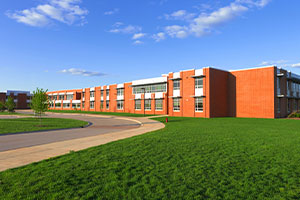
20 South Tennessee Avenue
Atlantic City, NJ. 08401
609-345-4035 x1328
Atlantic City, NJ has nearby choices for addiction treatment including: 4 low cost treatment centers, 2 inpatient treatment centers, 2 drug rehabs that take private insurance like BCBS, 2 drug and alcohol detox, 2 outpatient treatment programs.

For help finding an addiction treatment center, Call us!
All calls are 100% confidential and free
1-877-882-9275


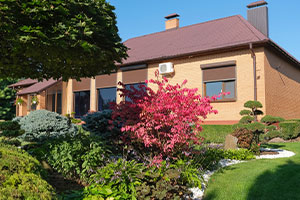
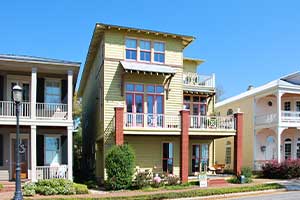
Enlightened Solutions Detox LLC is an alcohol and drug rehab center for individuals residing in Atlantic City and within the surrounding neighborhoods and struggling with a drug and alcohol abuse disorder and co-occurring mental health disorder. As such, it offers services like substance abuse counseling approach, relapse prevention, 12-step facilitation approach, group therapy, trauma therapy, couple/family therapy and more, that are in keeping with its philosophy of evidence based treatments that are proven effective.
In the same way, Enlightened Solutions Detox LLC believes in individual treatment to make sure that their clients achieve the best possible results. The drug and alcohol rehab program also specializes in other types of care like active duty military, transgender or (LGBT) clients, domestic violence, social skills development, child care for clients children, seniors or older adults - among many others. Many of these services are also offered by Enlightened Solutions Detox LLC in different settings like outpatient substance abuse counseling, outpatient detox centers, long term drug addiction treatment, inpatient treatment programs, short term rehab programs, as well as others.
Further, it has aftercare planning designed to help you find lasting sobriety. These services have ensured that Enlightened Solutions Detox LLC has a special place within the Atlantic City, New Jersey area, especially because they lead to both positive short and long term outcomes for the clients who enroll into this alcohol and drug rehabilitation program. Lastly, Enlightened Solutions Detox LLC accepts private pay, private insurance, military insurance, medicaid, medicare, other state funds, access to recovery (atr) voucher and others.

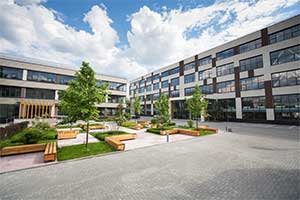
Atlantic Prevention Resources Inc is 3.8 miles from Atlantic City, New Jersey
Atlantic Prevention Resources Inc is a drug and alcohol rehab program for individuals residing in the Atlantic City area and battling a substance use issue . It provides services like substance abuse counseling approach, relapse prevention, 12-step facilitation approach, group therapy, trauma therapy, couple/family therapy and more, that are in line with its philosophy of the treatments that have been proved to work.
In the same way, Atlantic Prevention Resources Inc believes in individualized care to ensure that their clients achieve the best possible results. The alcohol and drug rehab facility also specializes in other types of care like active duty military, transgender or (LGBT) clients, domestic violence, social skills development, child care for clients children, seniors or older adults - among many others. Many of these services are also provided by Atlantic Prevention Resources Inc in different settings like outpatient individual counseling, outpatient detox facilities, long term treatment centers, inpatient treatment programs, short term addiction treatment centers, as well as others.
In addition, it has aftercare planning and other treatment methods created to help you achieve lasting sobriety. These services have made sure that Atlantic Prevention Resources Inc has a special place within the local community, especially because they promote both positive short and long term outcomes for the people who enroll into this addiction treatment program. Lastly, Atlantic Prevention Resources Inc accepts cash or self-payment, private health insurance, military insurance, medicaid, medicare, other state funds, access to recovery (atr) voucher and others.
Helping an individual struggling with addiction without enabling them requires a fine balance. Here are some strategies that might be helpful:
Remaining drug-free, especially after overcoming addiction, is a challenging journey. However, with a strong commitment, support system, and coping mechanisms in place, it's definitely possible. Here are some tips:
"Paying for addiction treatment can be a significant concern for individuals and families seeking help. However, there are various options available to help cover the costs, making it more accessible to those in need. Here are some common ways to pay for addiction treatment:
National Non Profit Helpline - 1-877-882-9275
Our National Non Profit Helpline is a 24/7, 365-day-a-year treatment referral and information service for individuals and families faced with mental and/or substance use disorders.
All calls are strictly confidential
Our service provides referrals to licensed treatment facilities, support groups, and community-based organizations. You don't have to struggle alone with addiction. Help is just a phone call away. Call 1-877-882-9275 now to get the help you need and deserve.



© Copyright 1998 - 2022 All Rights Reserved. Content is protected under copyright laws, do not use content without written permission.

