
1011 Mission Drive
Parkersburg, WV. 26101
304-485-1781
Parkersburg, WV has several nearby treatment choices including: 4 medicaid programs, 2 inpatient drug rehabs, 1 drug rehab that takes private insurance like Blue Cross Blue Shield, 2 drug detox, 2 outpatient treatment programs.

For help finding an addiction treatment center, Call us!
All calls are 100% confidential and free
1-877-882-9275



National Youth Advocate Program provides recovery care and rehabilitation services such as inpatient addiction treatment centers, long term drug rehab facilities, short term rehab programs, outpatient counseling, outpatient detox facilities, and others to people living in the Parkersburg, WV. area so that they conquer their substance abuse issues and achieve full recovery. It has services - such as activity therapy, substance abuse counseling approach, cognitive/behavior therapy, group therapy, motivational interviewing, anger management, and others - which follow its philosophy of the programs that work most effectively. This is because National Youth Advocate Program believes that full recovery can only be achieved through highly individualized and personalized care.
Further, the drug and alcohol rehab specializes in many other programs - like suicide prevention services, persons with eating disorders, aftercare/continuing care, persons with serious mental illness, co-occurring mental and substance abuse disorders, programs for the hearing impaired and more - as well as many other treatment modalities that you can find listed below. Further, this drug and alcohol rehabilitation program has aftercare programs that work in line with its treatment modalities to make sure that clients achieve and maintain permanent, full, and lasting sobriety, stability, and abstinence from drugs and alcohol.
Lastly, National Youth Advocate Program accepts private medical insurance, private pay, medicare, medicaid, payment assistance, state education funds, state corrections or juvenile justice funds, and more.
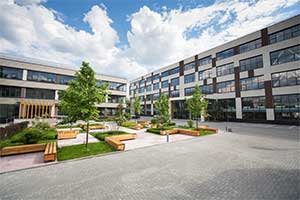
Parkersburg Comprehensive Trt Ctr provides addiction care and rehabilitation services such as inpatient treatment centers, long term rehab centers, short term drug and alcohol rehab facilities, outpatient individual counseling, inpatient detox facilities, and others to people residing in Parkersburg and within the surrounding neighborhoods so that they overcome their drug and alcohol use issues and achieve full recovery. It has services - such as activity therapy, substance abuse counseling approach, cognitive/behavior therapy, group therapy, motivational interviewing, anger management, and others - which follow its philosophy of the programs that work most effectively. This is because Parkersburg Comprehensive Trt Ctr believes that full recovery can only be achieved through highly individualized and personalized care.
In addition, the substance abuse treatment facility specializes in many other programs - like suicide prevention services, persons with eating disorders, aftercare/continuing care, persons with serious mental illness, co-occurring mental and substance abuse disorders, programs for the hearing impaired and more - as well as many other treatment modalities that you can find listed below. Further, this drug and alcohol rehab center has aftercare programs that work in line with its treatment modalities to ensure that individuals achieve permanent, full, and lasting abstinence and sobriety from drugs and alcohol.
Lastly, Parkersburg Comprehensive Trt Ctr accepts private insurance, private pay, medicare, medicaid, payment assistance, state education funds, state corrections or juvenile justice funds, and more.


Rigel Recovery Residential Services is 10.9 miles from Parkersburg, WV
Rigel Recovery Residential Services provides recovery care and rehab services such as inpatient rehabs, long term treatment facilities, short term drug and alcohol rehab facilities, outpatient counseling, detox programs, and others to people living in Parkersburg and within the surrounding neighborhoods so that they overcome their substance use disorders and find full sobriety. It has services - such as activity therapy, substance abuse counseling approach, cognitive/behavior therapy, group therapy, motivational interviewing, anger management, and others - which follow its philosophy of the programs that work most effectively. This is because Rigel Recovery Residential Services knows that full sobriety can only be achieved through highly personalized care.
In addition, the alcohol and drug rehab center specializes in many other programs - like suicide prevention services, persons with eating disorders, aftercare/continuing care, persons with serious mental illness, co-occurring mental and substance abuse disorders, programs for the hearing impaired and more - as well as many other treatment modalities listed below. Further, this addiction treatment program has aftercare plans that work in line with its treatment modalities to make sure that individuals maintain permanent, full, and lasting abstinence and sobriety from drugs and alcohol.
Lastly, Rigel Recovery Residential Services accepts private health insurance, private pay, medicaid, medicare, payment assistance, state education funds, state corrections or juvenile justice funds, and more.
SAMHSA, or the Substance Abuse and Mental Health Services Administration, is an U.S. federal agency within the Department of Health and Human Services (HHS). Established in 1992, its primary mission is to reduce the impact of substance abuse and mental illness on American communities. SAMHSA focuses on improving the quality and availability of prevention, treatment, and rehabilitation services related to substance use disorders and mental health conditions.
Some of the key functions and responsibilities of SAMHSA include:
To support its mission, SAMHSA operates various centers, such as the Center for Substance Abuse Prevention, the Center for Substance Abuse Treatment, and the Center for Mental Health Services. Additionally, the agency manages the National Helpline (1-800-662-HELP), a confidential, free, 24/7, 365-day-a-year treatment referral and information service for individuals and families facing mental health and/or substance use disorders.
While a family history of substance abuse can increase your risk of developing a similar issue due to both genetic and environmental factors, it does not mean you are destined to become a substance abuser. Genetics can make up about 40-60% of the risk for addiction, but the remaining percentage is influenced by environmental and personal factors.
Environmental influences can include your upbringing, your parents' behaviors, your exposure to drugs or alcohol, your social circle, and your experiences with stress and trauma. Personal factors involve your individual personality traits, your mental health, and your coping mechanisms. All these can significantly contribute to whether or not you develop a substance use disorder.
Importantly, risk is not destiny. Just because you are at a higher risk doesn't mean you will inevitably develop a substance abuse problem. Prevention strategies can be highly effective. These might include:
Education: Understanding the risks and consequences of substance abuse can deter initiation of drug use.
Healthy Coping Mechanisms: Developing healthy ways to cope with stress, such as through exercise, meditation, hobbies, or therapy, can reduce the need to turn to substances for relief.
Strong Support Networks: Having supportive and understanding friends, family, or mentors can provide a safety net when facing potential pitfalls.
Mental Health Care: Ensuring good mental health through therapy or counseling can reduce the risk, as mental health disorders can increase the likelihood of substance abuse.
Delaying Substance Use: The later in life a person first uses drugs, the less likely they are to develop a problem.
Remember, even if substance abuse does become an issue, it is not a life sentence. Effective treatments are available that can help individuals overcome addiction and lead healthy, productive lives. If you're worried about your risk, it might be helpful to discuss your concerns with a healthcare provider, a counselor, or a trusted person in your life.
Recognizing whether you have an addiction problem involves self-reflection and a honest assessment of your behaviors, thoughts, and emotions related to substance use or compulsive behaviors. Addiction is characterized by an inability to control or abstain from a substance or behavior despite negative consequences and a preoccupation with the addictive substance or behavior. Here are some signs and symptoms that may indicate an addiction problem:
If you recognize any of these signs and symptoms in your own life, it may be an indication that you have an addiction problem. It is important to seek help from a healthcare professional, addiction counselor, or support group to discuss your concerns and explore available treatment options. Remember, addiction is a complex and chronic condition, but recovery is possible with the appropriate support and intervention.
National Non Profit Helpline - 1-877-882-9275
Our National Non Profit Helpline is a 24/7, 365-day-a-year treatment referral and information service for individuals and families faced with mental and/or substance use disorders.
All calls are strictly confidential
Our service provides referrals to licensed treatment facilities, support groups, and community-based organizations. You don't have to struggle alone with addiction. Help is just a phone call away. Call 1-877-882-9275 now to get the help you need and deserve.



© Copyright 1998 - 2022 All Rights Reserved. Content is protected under copyright laws, do not use content without written permission.

