Alcohol and Drug Rehab Programs in Sherman, TX
Sherman, TX has nearby treatment options including: 4 low cost treatment centers, 2 inpatient treatment centers, 3 drug rehabs that take private insurance like BCBS, 1 drug detox, 3 outpatient rehabs.
Get Help - Find a Rehab Center Today
Popular Searches for Drug and Alcohol Rehab in Sherman, Texas:
Skip To Rehab Listing
Drug and Alcohol Rehab Settings and Methods in Sherman, Texas
Alcohol and drug addiction impacts people of all genders, ages and walks of life. The alcohol and drug rehab centers and resources, such as short term drug abuse treatment, long term drug abuse treatment, inpatient detox centers, inpatient addiction treatment programs, outpatient counseling, are intended to offer high-quality care to anyone who has a problem with addiction, regardless of their personal situation.
Drug and alcohol rehabilitation programs in the Sherman area are not all the same. They offer a range of modalities, including substance abuse counseling approach, group therapy, cognitive/behavior therapy, brief intervention approach, group therapy, dual diagnosis drug rehab, that allow clients to address their drug and alcohol addiction in the way that is most effective for them.
Special Services for Addiction Recovery
Despite the pervasiveness of substance abuse, each person who struggles with alcohol and drug abuse issues has their own unique circumstances that need an individualized strategy. That is why the treatment programs in Sherman offer a number of special resources like veterans, legal advocacy, treatment for spanish-speaking clients, persons with eating disorders, co-occurring mental and substance abuse disorders, clients with HIV/AIDS.
Rehab Payment Options
Patients and their loved ones should not defer recovery because of concerns about expense. Treatment centers offer many possibilities for payment, such as the following: private pay, private insurance, medicaid, medicare, military insurance, state corrections or juvenile justice funds, access to recovery (atr) voucher. Addiction treatment centers can guide patients and their loved ones toward the payment options that will put rehabilitation within reach.
Those who struggle with drug and alcohol addiction should not wait to take advantage of the many services available in Sherman, TX..
Dr. Gina M Jansheski, M.D.

Dr. Po-Chang Hsu, M.D., M.S.

Renee Warmbrodt, RN, MSN, CPNP-PC

Substance Abuse Treatment Centers Serving the Sherman, Texas Area:
 421 North Sam Rayburn Freeway
Sherman, TX. 75090
903-892-8185
Lakes Regional Community Center has been dedicating its services and programs to helping people who are struggling with substances of abuse in Sherman and within the surrounding area.
To this end, Lakes Regional Community Center facilitates a wide variety of treatment and rehabilitation programs, including short term treatment facilities, long term addiction treatment programs, detox facilities, inpatient drug and alcohol rehab facilities, outpatient substance abuse treatment services and more. Lakes Regional Community Center also believes that it is vital that it offers individual services to ensure that its clients get the results that they need. This is why Lakes Regional Community Center is specialized in substance abuse counseling approach, group therapy, cognitive/behavior therapy, brief intervention approach, group therapy, dual diagnosis drug rehab, among other programs.
Lakes Regional Community Center also provides veterans, legal advocacy, treatment for spanish-speaking clients, persons with eating disorders, co-occurring mental and substance abuse disorders, clients with HIV/AIDS, and offers some of the best continued recovery programs - all of which have been proved to be useful in helping its clients. This addiction treatment center also uses treatment modalities that can assist you in achieving long lasting sobriety.
Lakes Regional Community Center also accepts the following types of payment - cash or self-payment, private insurance, medicare, medicaid, military insurance, state corrections or juvenile justice funds, access to recovery (atr) voucher and more.
Axcel Treatment and Recovery Clinic Finch Clinic

 1105 Memorial Drive
Denison, TX. 75020
903-337-0208
Axcel Treatment and Recovery Clinic is 10.4 miles from Sherman, TX
Axcel Treatment and Recovery Clinic has been dedicating its services and programs to helping people who are battling drug and alcohol addiction in Sherman, Texas and its surrounding area.
Axcel Treatment and Recovery Clinic provides a wide collection of treatment and rehabilitation methods, including short term drug and alcohol rehab programs, long term drug rehab centers, detoxification centers, inpatient rehabs, outpatient hospital programs and more. Axcel Treatment and Recovery Clinic also believes that it is necessary that it presents unique services to ensure that individuals get the results that they require. This is why Axcel Treatment and Recovery Clinic is specialized in substance abuse counseling approach, group therapy, cognitive/behavior therapy, brief intervention approach, group therapy, dual diagnosis drug rehab, among other programs.
Axcel Treatment and Recovery Clinic also provides veterans, legal advocacy, treatment for spanish-speaking clients, persons with eating disorders, co-occurring mental and substance abuse disorders, clients with HIV/AIDS, and offers some of the best aftercare programs - all of which have been proven to further the results its clients expect. This alcohol and drug rehab facility also uses treatment modalities that can help you achieve full stability both in the long term and permanently.
Axcel Treatment and Recovery Clinic also accepts the following forms of payment - private pay, private medical insurance, medicaid, medicare, military insurance, state corrections or juvenile justice funds, access to recovery (atr) voucher and more.
Enterhealth Life Recovery Center Drug and Alcohol Addiction Treatment
 524 North Lincoln Park Road
Van Alstyne, TX. 75495
800-388-4601
Enterhealth Life Recovery Center is 14.1 miles from Sherman, TX
Enterhealth Life Recovery Center has been dedicating its services and programs to helping individuals who are struggling with alcohol and drug abuse in Sherman, TX. and its surrounding area.
Enterhealth Life Recovery Center provides a wide collection of treatment and rehabilitation services, including short term addiction treatment facilities, long term addiction treatment programs, outpatient detoxification centers, inpatient drug and alcohol rehab facilities, outpatient substance abuse treatment services and more. Enterhealth Life Recovery Center also believes that it is important that it offers specific services to ensure that its clients get the results that they need. This is why Enterhealth Life Recovery Center is specialized in substance abuse counseling approach, group therapy, cognitive/behavior therapy, brief intervention approach, group therapy, dual diagnosis drug rehab, among other programs.
Enterhealth Life Recovery Center also provides veterans, legal advocacy, treatment for spanish-speaking clients, persons with eating disorders, co-occurring mental and substance abuse disorders, clients with HIV/AIDS, and offers some of the best aftercare programs - all of which are helpful to its clients. This drug and alcohol rehab also uses treatment modalities that can help you achieve full stability both in the long term and permanently.
Enterhealth Life Recovery Center also accepts the following types of payment - cash or self-payment, private health insurance, medicare, medicaid, military insurance, state corrections or juvenile justice funds, access to recovery (atr) voucher and more.
Healing Springs Ranch
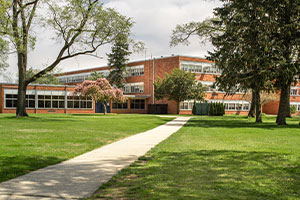 100 South Texas Street
Tioga, TX. 76271
940-229-5000
Healing Springs Ranch is 20.4 miles from Sherman, TX
Healing Springs Ranch has been dedicating its services and programs to helping individuals who are struggling with substances of abuse in Sherman and within the surrounding area.
To this end, Healing Springs Ranch offers a wide collection of treatment and rehabilitation methods, including short term drug rehab facilities, long term drug rehab programs, outpatient detox facilities, inpatient drug rehab centers, outpatient counseling and more. Healing Springs Ranch also believes that it is vital that it presents tailored services to ensure that individuals get the results that they want. This is why Healing Springs Ranch is specialized in substance abuse counseling approach, group therapy, cognitive/behavior therapy, brief intervention approach, group therapy, dual diagnosis drug rehab, among other programs.
Healing Springs Ranch also provides veterans, legal advocacy, treatment for spanish-speaking clients, persons with eating disorders, co-occurring mental and substance abuse disorders, clients with HIV/AIDS, and offers some of the best continued recovery programs - all of which have been proved to be useful in helping its clients. This drug and alcohol treatment facility also uses treatment methods that can help you achieve full stability both in the long term and permanently.
Healing Springs Ranch also accepts the following forms of payment - private pay, private health insurance, medicare, medicaid, military insurance, state corrections or juvenile justice funds, access to recovery (atr) voucher and more.
Find Drug and Alcohol Treatment Centers in or around the following Texas cities:
Top Cities For Recovery:
Commonly Asked Questions about Addiction and Treatment
How do I know if I have an addiction problem?
Recognizing whether you have an addiction problem involves self-reflection and a honest assessment of your behaviors, thoughts, and emotions related to substance use or compulsive behaviors. Addiction is characterized by an inability to control or abstain from a substance or behavior despite negative consequences and a preoccupation with the addictive substance or behavior. Here are some signs and symptoms that may indicate an addiction problem:
- Loss of control: You may find it difficult to stop or moderate your substance use or behavior, even when you want to or have tried multiple times.
- Continued use despite negative consequences: You continue to engage in the addictive behavior despite experiencing negative effects on your health, relationships, work, or other aspects of your life.
- Preoccupation: You spend a significant amount of time thinking about, obtaining, using, or recovering from the substance or behavior.
- Tolerance: You may need increasing amounts of the substance or more frequent engagement in the behavior to achieve the same desired effect, indicating that your body has become accustomed to it.
- Withdrawal: When you stop using the substance or engaging in the behavior, you experience physical or psychological symptoms, such as anxiety, irritability, nausea, or insomnia.
- Neglecting responsibilities: You may find yourself neglecting personal, work, or family obligations due to your preoccupation with the substance or behavior.
- Social isolation: You may withdraw from social activities or relationships that were once important to you, often to hide your addiction or because the addiction has taken priority.
- Risk-taking behavior: You may engage in risky activities, such as driving under the influence, sharing needles, or engaging in unprotected sex, while using the substance or engaging in the addictive behavior.
- Denial or minimization: You may downplay the severity of your addiction or refuse to acknowledge that there is a problem, despite concerns expressed by friends, family, or professionals.
If you recognize any of these signs and symptoms in your own life, it may be an indication that you have an addiction problem. It is important to seek help from a healthcare professional, addiction counselor, or support group to discuss your concerns and explore available treatment options. Remember, addiction is a complex and chronic condition, but recovery is possible with the appropriate support and intervention.
How can a homeless person get help for substance abuse?
For homeless individuals struggling with substance abuse, accessing help can be particularly challenging due to factors such as limited resources, absence of stable housing, and potential co-occurring mental health disorders. However, there are a number of avenues that a homeless person can explore to get help:
Government Programs: Many cities have government-funded programs that provide services for homeless individuals, including substance abuse treatment. These may include detoxification, outpatient counseling, residential treatment, and medication-assisted treatment. The U.S. Department of Housing and Urban Development (HUD) and the Substance Abuse and Mental Health Services Administration (SAMHSA) are two significant sources of such assistance.
Community Health Clinics: Community health clinics often offer a range of services, including substance abuse treatment, on a sliding scale based on income. These clinics also frequently provide referrals to other necessary services.
Nonprofit Organizations: Many nonprofit organizations offer resources and support for homeless individuals struggling with substance abuse. These may include recovery support groups, transitional housing, job training programs, and other services.
Outreach Programs: Outreach programs are designed to connect with individuals who may not seek help on their own. Outreach workers may go to places where homeless individuals congregate to provide resources and assistance.
Housing First Programs: These programs, which prioritize providing individuals with stable housing without requiring sobriety or participation in treatment first, have been shown to be effective in helping people maintain recovery and improve their quality of life.
Emergency Departments and Hospitals: In a crisis, emergency medical personnel can provide immediate assistance and connect individuals with longer-term substance abuse treatment resources.
Veterans Services: If the individual is a veteran, the U.S. Department of Veterans Affairs offers many services, including substance abuse treatment, mental health services, and housing assistance.
How to help an addict that refuses it?
Helping a loved one who is struggling with addiction but refuses assistance can be a challenging and delicate situation. However, there are several approaches you can take:
- Communication: Have an open, honest, and compassionate conversation about your concerns. Choose a time when they're sober and not in crisis. Avoid judgmental or confrontational language, instead focusing on expressing your feelings and concerns.
- Educate Yourself: Understanding addiction as a disease can help you approach the situation with empathy. Learn about the science of addiction and the resources available for treatment.
- Professional Intervention: An intervention is a structured conversation between the person with addiction and their loved ones, often facilitated by a professional interventionist. The goal is to help the person see the negative impact of their addiction on themselves and others and to encourage them to seek treatment.
- Support Groups: Consider joining a support group for families and friends of individuals dealing with substance use disorders, such as Al-Anon or Nar-Anon. These groups can provide understanding, advice, and encouragement.
- Setting Boundaries: It's crucial to establish boundaries to protect your own mental and physical wellbeing. Make it clear what behaviors you will not tolerate and follow through on consequences if those boundaries are crossed.
- Encouragement: Continually encourage your loved one to seek professional help. Provide them with information about local resources, rehab facilities, or counseling services.
- Self-Care: Don't forget to take care of your own mental and physical health. Seek professional help for yourself if necessary, and remember that it's okay to step back when you need to.
National Non Profit Helpline - 1-877-882-9275
Our National Non Profit Helpline is a 24/7, 365-day-a-year treatment referral and information service for individuals and families faced with mental and/or substance use disorders.
All calls are strictly confidential
Our service provides referrals to licensed treatment facilities, support groups, and community-based organizations. You don't have to struggle alone with addiction. Help is just a phone call away. Call 1-877-882-9275 now to get the help you need and deserve.
1-877-882-9275




