
4525 Glenwood Avenue
Deer Park, TX. 77536
281-476-0088 x4324
Deer Park, TX has several nearby treatment choices including: 3 low cost treatment centers, 2 inpatient rehabs, 2 drug rehabs that take private insurance like Cigna, 1 drug and alcohol detox, 4 outpatient rehabs.

For help finding an addiction treatment center, Call us!
All calls are 100% confidential and free
1-877-882-9275




Bay Area Recovery Center is 2.9 miles from Deer Park, TX
Bay Area Recovery Center provides addiction care and rehabilitation services such as short term treatment facilities, inpatient detoxification facilities, inpatient drug addiction treatment, outpatient substance abuse counseling, long term treatment programs, and others to people living in Deer Park, TX. and its surrounding areas so that they conquer their drug and alcohol use disorders and find full sobriety. It has services - such as trauma therapy, motivational interviewing, couple/family therapy, relapse prevention, matrix model, rational emotive behavioral therapy, and others - which follow its philosophy of the programs that work most effectively. This is because Bay Area Recovery Center knows that complete recovery can only be achieved through highly personalized care.
In addition, the alcohol and drug rehab center specializes in many other programs - like persons with post-traumatic stress disorder, persons with eating disorders, suicide prevention services, child care for clients children, transgender or (LGBT) clients, self-help groups and more - as well as many other treatment methods that you can find listed below. Further, this alcohol and drug treatment facility has aftercare plans that work in line with its treatment methods to ensure that clients maintain full, lasting, and permanent sobriety, stability, and abstinence from alcohol and drugs.
Lastly, Bay Area Recovery Center accepts private pay, private health insurance, military insurance, payment assistance, other state funds, access to recovery (atr) voucher, and more.


Unlimited Visions Aftercare Inc is 3.4 miles from Deer Park, TX
Unlimited Visions Aftercare Inc provides recovery treatment and rehabilitation services such as short term treatment programs, detoxification facilities, inpatient rehab programs, intensive outpatient treatment, long term treatment facilities, and others to people living in Deer Park and within the surrounding neighborhoods so that they conquer their drug and alcohol abuse disorders and achieve full sobriety. It has services - such as trauma therapy, motivational interviewing, couple/family therapy, relapse prevention, matrix model, rational emotive behavioral therapy, and others - which follow its philosophy of the programs that work most effectively. This is because Unlimited Visions Aftercare Inc believes that complete recovery can only be achieved through highly personalized care.
In addition, the drug and alcohol rehab facility specializes in many other programs - like persons with post-traumatic stress disorder, persons with eating disorders, suicide prevention services, child care for clients children, transgender or (LGBT) clients, self-help groups and more - as well as many other treatment modalities listed below. Further, this addiction treatment facility has aftercare plans that work in line with its treatment methods to make sure that clients maintain permanent, full, and lasting sobriety, stability, and abstinence from drugs and alcohol.
Lastly, Unlimited Visions Aftercare Inc accepts private pay, private health insurance, military insurance, payment assistance, other state funds, access to recovery (atr) voucher, and more.

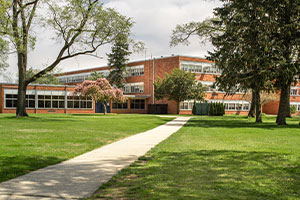
Pasadena Substance Abuse Clinic is 4.9 miles from Deer Park, Texas
Pasadena Substance Abuse Clinic provides recovery treatment and rehabilitation services such as short term drug abuse treatment, inpatient detoxification facilities, inpatient drug and alcohol rehab programs, intensive outpatient treatment, long term drug treatment, and others to clients residing in the local community so that they overcome their substance abuse issues and achieve full sobriety. It has services - such as trauma therapy, motivational interviewing, couple/family therapy, relapse prevention, matrix model, rational emotive behavioral therapy, and others - which follow its philosophy of the programs that work most effectively. This is because Pasadena Substance Abuse Clinic knows that full sobriety can only be achieved through highly personalized care.
In addition, the drug and alcohol rehab center specializes in many other programs - like persons with post-traumatic stress disorder, persons with eating disorders, suicide prevention services, child care for clients children, transgender or (LGBT) clients, self-help groups and more - as well as many other treatment methods that you can find listed below. Further, this drug and alcohol rehab program has aftercare programs that work in line with its treatment methods to ensure that clients achieve and maintain permanent, full, and lasting sobriety, stability, and abstinence from alcohol and drugs.
Lastly, Pasadena Substance Abuse Clinic accepts private pay, private health insurance, military insurance, payment assistance, other state funds, access to recovery (atr) voucher, and more.
Yes, in many cases, family members can visit you if you go into a drug rehab program, but the specific policies regarding visitation can vary greatly from one facility to another. Here are some general points to consider:
Please note that the information provided here is general, and it's important to consult with the specific rehab facility you or your loved one are considering for accurate and up-to-date information about their visitation policies.
Substance abuse among LGBTQ+ (lesbian, gay, bisexual, transgender, queer, and others) individuals is influenced by a range of factors. These factors often intersect and can compound the risk for developing substance use disorders. Some of the primary factors include:
Several classes of drugs can have the effect of numbing emotions or creating a feeling of emotional detachment. It's important to note that these effects can vary widely between individuals and depend on many factors, including the dosage, the method of use, and the individual's personal physiology and psychology. Here are a few examples:
Depressants: This category of drugs, which includes alcohol, benzodiazepines (like Xanax or Valium), and opioids (like heroin or prescription painkillers), can reduce brain activity and dull emotions. Users often report feeling numb or detached from their emotions.
Dissociatives: Dissociative drugs like ketamine, PCP, and certain kinds of cough medicines containing dextromethorphan (DXM), can induce a state of detachment from reality and one's self, which can include a sense of emotional numbness.
Selective Serotonin Reuptake Inhibitors (SSRIs): While primarily used as antidepressants, some individuals report feeling emotionally numb or detached when taking SSRIs. This is generally considered a side effect, and if experienced, should be discussed with a healthcare provider.
Antipsychotics: These medications are primarily used to treat conditions like schizophrenia, but they can also induce a state of emotional numbness or flatness in some individuals.
While these substances can make a person feel emotionally numb, it's important to note that this is often a temporary and potentially harmful solution. Long-term use can lead to a range of negative health effects, including physical dependence, addiction, and a worsening of emotional or mental health symptoms. If you're feeling overwhelmed by your emotions, it's crucial to seek help from a mental health professional rather than turning to substances. They can provide support and discuss healthier ways to cope with these feelings.
National Non Profit Helpline - 1-877-882-9275
Our National Non Profit Helpline is a 24/7, 365-day-a-year treatment referral and information service for individuals and families faced with mental and/or substance use disorders.
All calls are strictly confidential
Our service provides referrals to licensed treatment facilities, support groups, and community-based organizations. You don't have to struggle alone with addiction. Help is just a phone call away. Call 1-877-882-9275 now to get the help you need and deserve.



© Copyright 1998 - 2022 All Rights Reserved. Content is protected under copyright laws, do not use content without written permission.
