
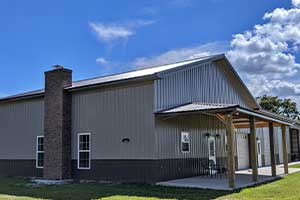
702 University Drive East
College Station, TX. 77840
979-846-9500 x111
College Station, TX has nearby choices for addiction treatment including: 1 medicare program, 1 inpatient drug rehab, 2 drug rehabs that take PPO insurance like Blue Cross Blue Shield, 1 drug and alcohol detox, 3 outpatient treatment programs.

For help finding an addiction treatment center, Call us!
All calls are 100% confidential and free
1-877-882-9275



Symetria Recovery has been offering addiction treatment to individuals who reside in and around College Station, Texas and who are battling with substance use disorders. As such, Symetria Recovery offers a wide array of services including matrix model, group therapy, rational emotive behavioral therapy, couple/family therapy, dialectical behavior therapy, 12-step facilitation approach and others applying its unique philosophy of evidence based approaches to addiction recovery and treatment.
This rehab program also thinks that each client benefits most from individualized services. To this end, it has been specializing in a wide assortment of personalized treatments like co-occurring mental and substance abuse disorders, veterans, self-help groups, housing services, child care for clients children, persons with serious mental illness and more. In the same way, this substance abuse treatment center provides these services in the following settings - inpatient detox centers, short term addiction treatment programs, inpatient drug and alcohol rehab programs, outpatient counseling, long term rehab centers and more.
Symetria Recovery also ensures lasting sobriety and stability by promoting a robust aftercare program. Lastly, Symetria Recovery accepts these forms of payment - including private insurance, cash or self-payment, sliding fee scale, military insurance, county or local government funds, state corrections or juvenile justice funds and others.

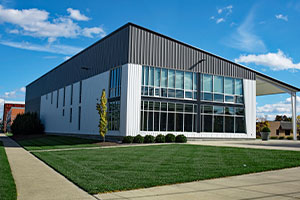
Brazos Valley Council on Alc and SA is 4.8 miles from College Station, TX

Everyday Life Inc is 15.7 miles from College Station, Texas
Everyday Life Inc has been providing recovery rehab to individuals who live in College Station and who are battling with drug and alcohol abuse disorders. As such, Everyday Life Inc offers a wide variety of services such as matrix model, group therapy, rational emotive behavioral therapy, couple/family therapy, dialectical behavior therapy, 12-step facilitation approach and others using its unique philosophy of evidence based approaches to addiction treatment.
This treatment program also thinks that each client benefits most from individualized services. Because of this, it has been specializing in a wide array of personalized treatments like co-occurring mental and substance abuse disorders, veterans, self-help groups, housing services, child care for clients children, persons with serious mental illness and more. In the same way, this drug and alcohol treatment program offers these services in the following settings - outpatient detox centers, short term addiction treatment programs, inpatient rehab centers, outpatient counseling, long term drug treatment and more.
It also has aftercare programs designed to replicate its treatment methods in the creation of a level of stability, abstinence, and sobriety that is permanent and lasting. Lastly, Everyday Life Inc accepts these payment forms - including private health insurance, private pay, sliding fee scale, military insurance, county or local government funds, state corrections or juvenile justice funds and others.
Confronting someone about their drug addiction is a delicate task, requiring a compassionate, non-judgmental approach. It's crucial to express your concerns without inciting defensiveness. Here are some steps to guide you through this process:
Substance abuse among LGBTQ+ (lesbian, gay, bisexual, transgender, queer, and others) individuals is influenced by a range of factors. These factors often intersect and can compound the risk for developing substance use disorders. Some of the primary factors include:
Supporting an adult child in their recovery process can be a challenging yet crucial role. Here are some ways you can provide support:
Educate Yourself: Learn about addiction and the recovery process. Understanding the nature of your child's struggle can help you provide more effective support and reduce misperceptions and stigma.
Encourage Treatment: Encourage your child to seek professional help and stay engaged with their treatment plan. This could involve therapy, counseling, medication-assisted treatment, and/or participation in a recovery support group.
Be Patient and Understanding: Recovery is a long and challenging process that often involves setbacks. Be patient with your child's progress and provide emotional support and encouragement.
Promote Healthy Lifestyle: Encourage your child to maintain a healthy lifestyle. This could involve supporting them in adopting healthy eating habits, regular physical activity, and adequate sleep. Also, help them find healthy coping mechanisms and hobbies to replace substance use.
Support Their Independence: It's important for your adult child to feel capable and independent. While it's important to support them, avoid taking over their responsibilities. Instead, encourage them to take charge of their own recovery.
Set Boundaries: Clear, healthy boundaries are crucial in any relationship, but especially when dealing with addiction. Communicate your limits openly and honestly. For example, you might make it clear that you won't provide financial support for substance use.
Attend Family Therapy: Consider participating in family therapy or counseling. This can help you understand how to better support your child, improve communication, and address any issues within the family dynamic that may contribute to the substance use disorder.
Join a Support Group: Consider joining a support group for parents of adults with substance use disorders. These groups can provide understanding, advice, and resources.
Take Care of Yourself: Remember, you can't pour from an empty cup. Ensure you're taking care of your own physical and mental health too. Seek support when you need it, and take time for self-care.
National Non Profit Helpline - 1-877-882-9275
Our National Non Profit Helpline is a 24/7, 365-day-a-year treatment referral and information service for individuals and families faced with mental and/or substance use disorders.
All calls are strictly confidential
Our service provides referrals to licensed treatment facilities, support groups, and community-based organizations. You don't have to struggle alone with addiction. Help is just a phone call away. Call 1-877-882-9275 now to get the help you need and deserve.



© Copyright 1998 - 2022 All Rights Reserved. Content is protected under copyright laws, do not use content without written permission.

