La Hacienda College Station

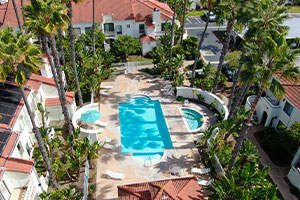
702 University Drive East
College Station, TX. 77840
979-846-9500 x111
La Hacienda College Station is 21.4 miles from Caldwell, TX
Caldwell, TX has nearby choices for addiction treatment including: 2 medicaid treatment centers, 2 inpatient rehab centers, 2 drug rehabs that take private insurance like Aetna, 1 drug detox, 2 outpatient treatment programs.

For help finding an addiction treatment center, Call us!
All calls are 100% confidential and free
1-877-882-9275


La Hacienda College Station is 21.4 miles from Caldwell, TX

Brazos Valley Council on Alc and SA is 21.5 miles from Caldwell, TX

Everyday Life Inc is 25.3 miles from Caldwell, TX
Everyday Life Inc has been providing recovery rehab to individuals who reside in and around Caldwell and who are fighting with substance use issues. As such, Everyday Life Inc provides a wide range of services including vocational rehabilitation services, cognitive/behavior therapy, trauma-related counseling, matrix model, substance abuse counseling approach, dual diagnosis drug rehab and others applying its unique approaches to addiction recovery and treatment.
This program also believes that the best results for clients are gotten from individualized services. To this end, it has been specializing in a wide array of personalized treatments like legal advocacy, self-help groups, social skills development, co-occurring mental and substance abuse disorders, substance abuse education, aftercare/continuing care and more. In the same way, this drug and alcohol rehabilitation program provides these treatments in the following settings - long term drug rehab facilities, short term treatment centers, inpatient addiction treatment centers, intensive outpatient treatment, inpatient detox programs and more.
It also has aftercare programs designed to replicate its treatment methods in the creation of a level of stability, abstinence, and sobriety that is permanent and lasting. Lastly, Everyday Life Inc accepts these forms of payment - including private health insurance, private pay, payment assistance, medicare, medicaid, state education funds, county or local government funds and others.

Willow Springs Recovery is 42.4 miles from Caldwell, TX
Willow Springs Recovery has been providing addiction care to people who live in and around Caldwell, Texas and who are struggling with alcohol and drug abuse issues. As such, Willow Springs Recovery offers a range of services such as vocational rehabilitation services, cognitive/behavior therapy, trauma-related counseling, matrix model, substance abuse counseling approach, dual diagnosis drug rehab and others using its unique approaches to addiction recovery and treatment.
This rehab also thinks that the best results for clients are gotten from individualized services. To this end, it has been specializing in a wide collection of personalized treatments like legal advocacy, self-help groups, social skills development, co-occurring mental and substance abuse disorders, substance abuse education, aftercare/continuing care and more. In the same way, this alcohol and drug rehab offers these services in the following settings - long term drug and alcohol rehab centers, short term addiction treatment centers, inpatient drug and alcohol rehab facilities, outpatient hospital programs, inpatient detoxification facilities and more.
It also has aftercare programs designed to replicate its treatment methods in the creation of a level of stability, abstinence, and sobriety that is permanent and lasting. Lastly, Willow Springs Recovery accepts these payment forms - including private insurance, cash or self-payment, payment assistance, medicaid, medicare, state education funds, county or local government funds and others.
National Non Profit Helpline - 1-877-882-9275
Our National Non Profit Helpline is a 24/7, 365-day-a-year treatment referral and information service for individuals and families faced with mental and/or substance use disorders.
All calls are strictly confidential
Our service provides referrals to licensed treatment facilities, support groups, and community-based organizations. You don't have to struggle alone with addiction. Help is just a phone call away. Call 1-877-882-9275 now to get the help you need and deserve.



© Copyright 1998 - 2022 All Rights Reserved. Content is protected under copyright laws, do not use content without written permission.
