
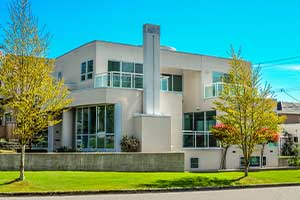
3930 South West Avenue
Sioux Falls, SD. 57105
605-988-9133
Sioux Falls, SD has a multitude of treatment options including: 12 low cost treatment centers, 5 inpatient treatment centers, 11 drug rehabs that take PPO insurance like Cigna, 1 detox center, 13 outpatient rehabs.

For help finding an addiction treatment center, Call us!
All calls are 100% confidential and free
1-877-882-9275You can now filter our treatment results to show you tailored rehab programs that fit your exact needs. Just choose the type of treatment you are looking for, a payment type such as private insurance or low cost, and any specialized treatment approach you are interested in. Click submit and we will provide a list of alcohol and drug rehab centers that match your criteria.





Tallgrass Recovery and provides addiction care and rehab services such as detoxification centers, inpatient drug treatment, short term drug and alcohol rehab programs, long term drug and alcohol rehabs, outpatient individual counseling, and others to people living in the Sioux Falls, SD. area so that they overcome their substance use disorders and achieve full sobriety. It has services - such as behavior modification, couple/family therapy, trauma-related counseling, cognitive/behavior therapy, anger management, trauma therapy, and others - which follow its philosophy of the programs that work most effectively. This is because Tallgrass Recovery and believes that full sobriety can only be achieved through highly individualized and personalized care.
Further, the addiction treatment facility specializes in many other programs - like treatment for spanish-speaking clients, residential beds for client's children, transgender or (LGBT) clients, persons with serious mental illness, domestic violence, substance abuse education and more - as well as many other treatment methods that you can find listed below. Further, this addiction treatment program has aftercare programs that work in line with its treatment modalities to make sure that clients maintain full, lasting, and permanent abstinence and sobriety from drugs and alcohol.
Lastly, Tallgrass Recovery and accepts private health insurance, private pay, sliding fee scale, medicaid, medicare, other state funds, access to recovery (atr) voucher, and more.

Counseling Resources provides recovery care and rehab services such as inpatient detoxification facilities, inpatient drug treatment, short term treatment centers, long term drug treatment, outpatient counseling, and others to clients residing in the Sioux Falls, SD. area so that they overcome their alcohol and drug abuse disorders and achieve full sobriety. It has services - such as behavior modification, couple/family therapy, trauma-related counseling, cognitive/behavior therapy, anger management, trauma therapy, and others - which follow its philosophy of the programs that work most effectively. This is because Counseling Resources knows that full recovery can only be achieved through highly individualized care.
In addition, the addiction treatment facility specializes in many other programs - like treatment for spanish-speaking clients, residential beds for client's children, transgender or (LGBT) clients, persons with serious mental illness, domestic violence, substance abuse education and more - as well as many other treatment methods that you can find listed below. Further, this substance abuse treatment center has aftercare plans that work in line with its treatment modalities to ensure that individuals maintain permanent, full, and lasting sobriety, stability, and abstinence from drugs and alcohol.
Lastly, Counseling Resources accepts private insurance, cash or self-payment, sliding fee scale, medicaid, medicare, other state funds, access to recovery (atr) voucher, and more.

First Step Counseling Services provides recovery treatment and rehab services such as outpatient detox centers, inpatient addiction treatment centers, short term drug rehab centers, long term drug rehab facilities, outpatient counseling, and others to people living in the local community so that they conquer their drug and alcohol abuse disorders and find full sobriety. It has services - such as behavior modification, couple/family therapy, trauma-related counseling, cognitive/behavior therapy, anger management, trauma therapy, and others - which follow its philosophy of the programs that work most effectively. This is because First Step Counseling Services believes that full recovery can only be achieved through highly individualized and personalized care.
In addition, the alcohol and drug rehab center specializes in many other programs - like treatment for spanish-speaking clients, residential beds for client's children, transgender or (LGBT) clients, persons with serious mental illness, domestic violence, substance abuse education and more - as well as many other treatment methods that you can find listed below. Further, this drug and alcohol rehab program has aftercare programs that work in line with its treatment modalities to ensure that clients achieve permanent, full, and lasting abstinence and sobriety from alcohol and drugs.
Lastly, First Step Counseling Services accepts private insurance, private pay, sliding fee scale, medicaid, medicare, other state funds, access to recovery (atr) voucher, and more.
Arch provides addiction treatment and rehab services such as outpatient detoxification programs, inpatient drug and alcohol rehab centers, short term drug rehab centers, long term rehab centers, intensive outpatient treatment, and others to people residing in Sioux Falls, South Dakota and its surrounding areas so that they conquer their substance abuse issues and find full recovery. It has services - such as behavior modification, couple/family therapy, trauma-related counseling, cognitive/behavior therapy, anger management, trauma therapy, and others - which follow its philosophy of the programs that work most effectively. This is because Arch believes that complete sobriety can only be achieved through highly individualized and personalized care.
In addition, the alcohol and drug treatment facility specializes in many other programs - like treatment for spanish-speaking clients, residential beds for client's children, transgender or (LGBT) clients, persons with serious mental illness, domestic violence, substance abuse education and more - as well as many other treatment modalities listed below. Further, this drug and alcohol rehab facility has aftercare plans that work in line with its treatment modalities to make sure that individuals achieve full, lasting, and permanent abstinence and sobriety from alcohol and drugs.
Lastly, Arch accepts private insurance, cash or self-payment, sliding fee scale, medicare, medicaid, other state funds, access to recovery (atr) voucher, and more.
Keystone Treatment Center provides addiction treatment and rehab services such as outpatient detox centers, inpatient treatment centers, short term treatment facilities, long term addiction treatment centers, outpatient substance abuse treatment services, and others to people residing in the Sioux Falls, SD. area so that they overcome their alcohol and drug abuse issues and achieve full sobriety. It has services - such as behavior modification, couple/family therapy, trauma-related counseling, cognitive/behavior therapy, anger management, trauma therapy, and others - which follow its philosophy of the programs that work most effectively. This is because Keystone Treatment Center believes that full sobriety can only be achieved through highly individualized care.
In addition, the alcohol and drug rehab specializes in many other programs - like treatment for spanish-speaking clients, residential beds for client's children, transgender or (LGBT) clients, persons with serious mental illness, domestic violence, substance abuse education and more - as well as many other treatment modalities listed below. Further, this alcohol and drug treatment facility has aftercare plans that work in line with its treatment modalities to make sure that individuals achieve and maintain full, lasting, and permanent abstinence and sobriety from alcohol and drugs.
Lastly, Keystone Treatment Center accepts private health insurance, cash or self-payment, sliding fee scale, medicaid, medicare, other state funds, access to recovery (atr) voucher, and more.
Sioux Falls Treatment Center LLC provides addiction care and rehab services such as outpatient detoxification facilities, inpatient drug abuse treatment, short term rehab programs, long term treatment facilities, outpatient hospital programs, and others to people residing in Sioux Falls, South Dakota and its surrounding areas so that they overcome their alcohol and drug abuse disorders and find full recovery. It has services - such as behavior modification, couple/family therapy, trauma-related counseling, cognitive/behavior therapy, anger management, trauma therapy, and others - which follow its philosophy of the programs that work most effectively. This is because Sioux Falls Treatment Center LLC believes that full recovery can only be achieved through highly individualized and personalized care.
In addition, the drug and alcohol treatment program specializes in many other programs - like treatment for spanish-speaking clients, residential beds for client's children, transgender or (LGBT) clients, persons with serious mental illness, domestic violence, substance abuse education and more - as well as many other treatment modalities listed below. Further, this drug and alcohol rehab center has aftercare programs that work in line with its treatment methods to ensure that individuals maintain full, lasting, and permanent abstinence and sobriety from drugs and alcohol.
Lastly, Sioux Falls Treatment Center LLC accepts private insurance, private pay, sliding fee scale, medicare, medicaid, other state funds, access to recovery (atr) voucher, and more.
Choices Recovery Services Inc provides addiction treatment and rehab services such as outpatient detoxification centers, inpatient drug and alcohol rehab programs, short term drug addiction treatment, long term drug and alcohol rehab programs, outpatient counseling, and others to people living in Sioux Falls and within the surrounding neighborhoods so that they conquer their alcohol and drug abuse issues and achieve full recovery. It has services - such as behavior modification, couple/family therapy, trauma-related counseling, cognitive/behavior therapy, anger management, trauma therapy, and others - which follow its philosophy of the programs that work most effectively. This is because Choices Recovery Services Inc knows that full recovery can only be achieved through highly individualized care.
In addition, the substance abuse treatment center specializes in many other programs - like treatment for spanish-speaking clients, residential beds for client's children, transgender or (LGBT) clients, persons with serious mental illness, domestic violence, substance abuse education and more - as well as many other treatment modalities that you can find listed below. Further, this drug and alcohol rehabilitation program has aftercare plans that work in line with its treatment modalities to make sure that individuals achieve and maintain permanent, full, and lasting sobriety, stability, and abstinence from drugs and alcohol.
Lastly, Choices Recovery Services Inc accepts private insurance, cash or self-payment, sliding fee scale, medicare, medicaid, other state funds, access to recovery (atr) voucher, and more.
Avera McKennan Hospital (BHS) provides addiction care and rehab services such as inpatient detox facilities, inpatient drug and alcohol rehab centers, short term drug rehab programs, long term drug and alcohol rehab programs, intensive outpatient treatment, and others to people living in Sioux Falls and within the surrounding neighborhoods so that they overcome their drug and alcohol use issues and achieve full recovery. It has services - such as behavior modification, couple/family therapy, trauma-related counseling, cognitive/behavior therapy, anger management, trauma therapy, and others - which follow its philosophy of the programs that work most effectively. This is because Avera McKennan Hospital (BHS) believes that complete sobriety can only be achieved through highly individualized care.
In addition, the alcohol and drug rehab center specializes in many other programs - like treatment for spanish-speaking clients, residential beds for client's children, transgender or (LGBT) clients, persons with serious mental illness, domestic violence, substance abuse education and more - as well as many other treatment modalities that you can find listed below. Further, this alcohol and drug treatment facility has aftercare plans that work in line with its treatment modalities to make sure that clients maintain full, lasting, and permanent sobriety, stability, and abstinence from drugs and alcohol.
Lastly, Avera McKennan Hospital (BHS) accepts private medical insurance, private pay, sliding fee scale, medicaid, medicare, other state funds, access to recovery (atr) voucher, and more.
Volunteers of America Dakotas provides recovery treatment and rehabilitation services such as outpatient detoxification centers, inpatient treatment facilities, short term rehab centers, long term drug and alcohol rehab programs, outpatient hospital programs, and others to people residing in Sioux Falls and within the surrounding neighborhoods so that they overcome their alcohol and drug use disorders and achieve full sobriety. It has services - such as behavior modification, couple/family therapy, trauma-related counseling, cognitive/behavior therapy, anger management, trauma therapy, and others - which follow its philosophy of the programs that work most effectively. This is because Volunteers of America Dakotas believes that full recovery can only be achieved through highly individualized care.
In addition, the alcohol and drug treatment program specializes in many other programs - like treatment for spanish-speaking clients, residential beds for client's children, transgender or (LGBT) clients, persons with serious mental illness, domestic violence, substance abuse education and more - as well as many other treatment modalities that you can find listed below. Further, this alcohol and drug treatment program has aftercare plans that work in line with its treatment methods to ensure that clients achieve permanent, full, and lasting abstinence and sobriety from drugs and alcohol.
Lastly, Volunteers of America Dakotas accepts private insurance, private pay, sliding fee scale, medicaid, medicare, other state funds, access to recovery (atr) voucher, and more.
Drug addiction, also known as Substance Use Disorder (SUD), is a complex condition that affects an individual's brain and behavior, leading to an inability to control the use of drugs despite harmful consequences. Drug addiction can impact a person in various ways, including physical, psychological, social, and emotional aspects of their life. Some of the effects of drug addiction include:
Yes, in the United States, there are several forms of government assistance that can help pay for rehab.
Medicaid: Medicaid is a state and federal program that provides health coverage for some low-income people, families and children, pregnant women, the elderly, and people with disabilities. Many states' Medicaid programs provide coverage for a range of substance use disorder services, including detoxification, outpatient counseling, residential treatment, medication-assisted treatment, and more. The specific services covered and eligibility criteria can vary by state.
Medicare: Medicare, a federal program primarily for people age 65 and older, also provides coverage for some substance use disorder treatment. This can include inpatient rehab, outpatient treatment services, and medication-assisted treatment.
The Affordable Care Act (ACA): The ACA, also known as Obamacare, requires health insurance plans sold on the Health Insurance Marketplace to cover substance use disorder services. This means that individuals who purchase insurance through the Marketplace can access rehab services, often at a lower cost due to income-based subsidies.
Substance Abuse and Mental Health Services Administration (SAMHSA): SAMHSA offers grants to states and organizations to provide treatment and recovery services for individuals with substance use disorders. Individuals may be able to access services funded by these grants at little or no cost.
State and Local Government Programs: Many states and localities have their own programs to help residents access substance use disorder treatment. These programs may offer direct funding for treatment, operate state-funded treatment facilities, or provide vouchers to pay for private treatment.
Veterans Affairs (VA): The VA provides a range of substance use disorder treatment services to eligible veterans, including detoxification, rehab, outpatient counseling, and medication-assisted treatment.
Indian Health Service (IHS): The IHS provides a comprehensive health service delivery system for approximately 2.6 million American Indians and Alaska Natives, including services for substance use disorders.
Several medications have been approved by the U.S. Food and Drug Administration (FDA) for the treatment of addiction to alcohol and certain types of drugs. The specific medication used can depend on the substance the person is addicted to, their overall health, and other individual factors. Here are a few examples:
For Alcohol Addiction:
For Opioid Addiction:
For Nicotine Addiction:
National Non Profit Helpline - 1-877-882-9275
Our National Non Profit Helpline is a 24/7, 365-day-a-year treatment referral and information service for individuals and families faced with mental and/or substance use disorders.
All calls are strictly confidential
Our service provides referrals to licensed treatment facilities, support groups, and community-based organizations. You don't have to struggle alone with addiction. Help is just a phone call away. Call 1-877-882-9275 now to get the help you need and deserve.



© Copyright 1998 - 2022 All Rights Reserved. Content is protected under copyright laws, do not use content without written permission.


