
914 NE 3rd Street
Madison, SD. 57042
605-256-9656
Madison, SD has nearby treatment options including: 6 low cost programs, 0 inpatient treatment center, 4 drug rehabs that take private insurance like UnitedHealthCare, 0 drug and alcohol detox, 4 outpatient rehabs.

For help finding an addiction treatment center, Call us!
All calls are 100% confidential and free
1-877-882-9275



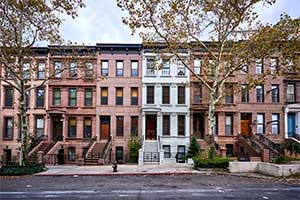
Flandreau Santee Sioux Tribe is 27.8 miles from Madison, SD
Flandreau Santee Sioux Tribe provides addiction care and rehabilitation services such as inpatient detoxification facilities, intensive outpatient treatment, long term drug and alcohol rehab programs, inpatient rehabs, short term rehab facilities, and others to clients living in the local community so that they conquer their drug and alcohol abuse disorders and achieve full sobriety. It has services - such as 12-step facilitation approach, trauma therapy, contingency management/motivational incentive, individual psychotherapy, vocational rehabilitation services, motivational interviewing, and others - which follow its philosophy of the programs that work most effectively. This is because Flandreau Santee Sioux Tribe believes that full recovery can only be achieved through highly individualized and personalized care.
In addition, the drug and alcohol rehab center specializes in many other programs - like persons with serious mental illness, residential beds for client's children, programs for the hearing impaired, substance abuse education, housing services, clients referred from the court/judicial system and more - as well as many other treatment modalities listed below. Further, this addiction treatment center has aftercare programs that work in line with its treatment modalities to ensure that individuals achieve permanent, full, and lasting sobriety, stability, and abstinence from alcohol and drugs.
Lastly, Flandreau Santee Sioux Tribe accepts private pay, private insurance, military insurance, payment assistance, access to recovery (atr) voucher, other state funds, and more.
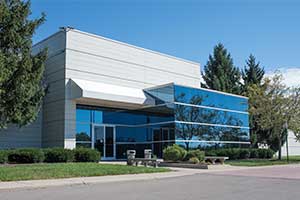
East Central Behavioral Health is 28.4 miles from Madison, SD
East Central Behavioral Health provides addiction treatment and rehabilitation services such as detoxification centers, outpatient individual counseling, long term drug and alcohol rehab facilities, inpatient treatment facilities, short term drug and alcohol rehab centers, and others to clients residing in Madison, South Dakota and within the surrounding neighborhoods so that they overcome their substance abuse issues and find full sobriety. It has services - such as 12-step facilitation approach, trauma therapy, contingency management/motivational incentive, individual psychotherapy, vocational rehabilitation services, motivational interviewing, and others - which follow its philosophy of the programs that work most effectively. This is because East Central Behavioral Health believes that complete sobriety can only be achieved through highly individualized and personalized care.
Further, the addiction treatment center specializes in many other programs - like persons with serious mental illness, residential beds for client's children, programs for the hearing impaired, substance abuse education, housing services, clients referred from the court/judicial system and more - as well as many other treatment methods that you can find listed below. Further, this drug and alcohol treatment program has aftercare programs that work in line with its treatment methods to ensure that clients maintain full, lasting, and permanent abstinence and sobriety from drugs and alcohol.
Lastly, East Central Behavioral Health accepts private pay, private insurance, military insurance, payment assistance, access to recovery (atr) voucher, other state funds, and more.

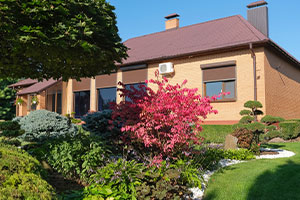
Avera McKennan Hospital (BHS) is 35.5 miles from Madison, South Dakota
Avera McKennan Hospital (BHS) provides addiction treatment and rehab services such as inpatient detox facilities, intensive outpatient treatment, long term drug rehab centers, inpatient drug addiction treatment, short term drug and alcohol rehab facilities, and others to clients living in the local community so that they conquer their drug and alcohol use disorders and achieve full sobriety. It has services - such as 12-step facilitation approach, trauma therapy, contingency management/motivational incentive, individual psychotherapy, vocational rehabilitation services, motivational interviewing, and others - which follow its philosophy of the programs that work most effectively. This is because Avera McKennan Hospital (BHS) believes that complete sobriety can only be achieved through highly personalized care.
Further, the substance abuse treatment center specializes in many other programs - like persons with serious mental illness, residential beds for client's children, programs for the hearing impaired, substance abuse education, housing services, clients referred from the court/judicial system and more - as well as many other treatment modalities listed below. Further, this alcohol and drug treatment program has aftercare programs that work in line with its treatment methods to make sure that individuals achieve full, lasting, and permanent abstinence and sobriety from alcohol and drugs.
Lastly, Avera McKennan Hospital (BHS) accepts cash or self-payment, private insurance, military insurance, payment assistance, access to recovery (atr) voucher, other state funds, and more.
Individuals struggling with addiction can sometimes exhibit manipulative behaviors, but it's essential to understand that this isn't a characteristic of the person themselves, but rather a manifestation of the disease of addiction. These behaviors are typically driven by a powerful compulsion to continue using substances, often rooted in physical dependency, fear of withdrawal, or a desire to escape from negative feelings.
Manipulative behaviors can manifest in various ways. For instance, a person may lie or deceive others about their substance use, make excuses, shift blame, or use emotional tactics to avoid confrontations about their behavior or to secure resources for continuing their drug use. Often, these individuals are not consciously trying to be deceptive or manipulative; instead, they are driven by the intense compulsion created by their addiction.
Addiction also affects brain functions, including those responsible for judgment, decision making, learning, memory, and behavior control. When the brain's reward system is hijacked by substance use, obtaining and using the substance can take priority over everything else, leading to behaviors that the individual might not exhibit otherwise.
It's worth noting that not every person with a substance use disorder exhibits manipulative behaviors, and if they do, it's not a sign of their character, but rather the severity of their disorder.
The development of manipulative behaviors signals a need for professional help. Substance use disorders are serious, and effective treatments often involve a combination of medication, therapy, and long-term follow-up. Therapies like cognitive-behavioral therapy (CBT) can help individuals understand their behaviors, develop healthier coping mechanisms, and rebuild damaged relationships. Family and loved ones can also benefit from guidance and support on how to navigate these challenges without enabling the addiction.
Recovery from drug and alcohol addiction is an unique and individualized process. However, there are several key principles that are commonly recognized as important for successful recovery. These principles include:
SMART Recovery (Self-Management and Recovery Training) is a global community of mutual-support groups that provide a structured, scientifically grounded program to help people manage their recovery from any type of addictive behavior, including substance abuse and behavioral addictions.
SMART Recovery's approach is different from other recovery programs like Alcoholics Anonymous or Narcotics Anonymous, which are based on the 12-step model. Instead of focusing on the concept of "powerlessness" over addiction, SMART Recovery emphasizes self-empowerment and self-reliance. It promotes the ability of individuals to change their own thoughts and behaviors to overcome addiction.
The SMART Recovery program is based on principles of cognitive-behavioral therapy (CBT) and motivational interviewing. It is designed around a 4-point program:
SMART Recovery meetings, both in-person and online, are facilitated by trained volunteers and are free to attend, though donations are appreciated. The program also offers a variety of tools and techniques for self-empowerment and self-directed change, available in various formats such as handbooks, worksheets, and online resources.
National Non Profit Helpline - 1-877-882-9275
Our National Non Profit Helpline is a 24/7, 365-day-a-year treatment referral and information service for individuals and families faced with mental and/or substance use disorders.
All calls are strictly confidential
Our service provides referrals to licensed treatment facilities, support groups, and community-based organizations. You don't have to struggle alone with addiction. Help is just a phone call away. Call 1-877-882-9275 now to get the help you need and deserve.



© Copyright 1998 - 2022 All Rights Reserved. Content is protected under copyright laws, do not use content without written permission.
