Warwick, RI Alcohol and Drug Rehab Centers
Warwick, RI has nearby choices for addiction treatment including: 4 low cost treatment centers, 1 inpatient rehab center, 4 drug rehabs that take PPO insurance like UnitedHealthCare, 2 drug detox, 4 outpatient rehabs.
Get Help - Find a Rehab Center Today
Popular Searches for Drug and Alcohol Rehab in Warwick, Rhode Island:
Skip To Rehab Listing
Treatment Service Settings and Treatment Modalities
Warwick's many programs, some of which are listed below, address a problem that is prevalent in cities all over the US: alcohol and drug abuse. These rehabs combat this issue locally by offering locations and services that are convenient for patients within the area. These settings can include: short term rehab programs, intensive outpatient treatment, inpatient addiction treatment centers, long term drug and alcohol rehab facilities, outpatient detoxification centers.
Alcohol and drug treatment programs use several methods, ranging from long-established approaches to newer approaches such as: rational emotive behavioral therapy, dual diagnosis drug rehab, cognitive/behavior therapy, activity therapy, substance abuse counseling approach, cognitive/behavior therapy. The outcome is an array of resources that clear the path to attainable lasting sobriety for numerous clients.
Special Programs for Substance Abuse Offered by Treatment Centers
Those struggling with alcohol or drug addiction often need tailored support to recover. That is why substance abuse treatment centers in Warwick offer special programs that help patients within their particular situations. Some of these resources are included here: clients with HIV/AIDS, child care for clients children, active duty military, housing services, persons with post-traumatic stress disorder, clients referred from the court/judicial system.
Rehab Payment Alternatives in Warwick, Rhode Island
Patients face differing economic circumstances, which is why addiction rehabilitation programs offer many payment alternatives, including: private medical insurance, cash or self-payment, payment assistance, sliding fee scale, state welfare or child and family services funds, other state funds.
Funding should not have to be an obstacle to substance abuse treatment. Treatment programs guide clients toward the financing alternatives that support their personal financial concerns.
With a range of facilities, rehabs, services, approaches and payment options, Warwick provides clients several alternatives when it comes to seeking recovery from addiction.
Dr. Gina M Jansheski, M.D.

Dr. Po-Chang Hsu, M.D., M.S.

Renee Warmbrodt, RN, MSN, CPNP-PC

Drug and Alcohol Rehabilitation Programs Serving the Warwick, Rhode Island Area:
 2020 Elmwood Avenue
Warwick, RI. 02888
401-781-2700
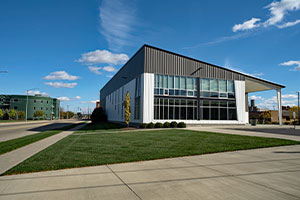
Bridgemark Addiction Recovery Services is a nonprofit addiction treatment facility that provides a safe and stable environment for our clients to learn and maintain a sober, drug and alcohol-free lifestyle with a sense of responsibility and freedom from judgment. We provide a warm, inviting and secure environment and more than 30 years of experience treating the disease of addiction.
 205 Hallene Road
Warwick, RI. 02886
401-737-4788
ARI is a privately run outpatient substance abuse clinic specializing in methadone treatment for opiate addiction. ARI offers a complete program for patients who are committed to working towards recovery. ARI operates using a management team made up of members of the medical, nursing, counseling and administrative areas.
 400 Bald Hill Road
Warwick, RI. 02886
401-732-1500
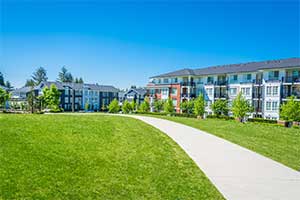
AdCare Hospital/Outpatient has been offering ongoing recovery care and rehabilitation services to the residents of Warwick, Rhode Island and those living within the surrounding communities. Today, AdCare Hospital/Outpatient provides services like rational emotive behavioral therapy, dual diagnosis drug rehab, cognitive/behavior therapy, activity therapy, substance abuse counseling approach, cognitive/behavior therapy and others in line with its philosophy of following rehabilitation treatments that work best to help addicts achieve sobriety.
This addiction treatment facility also believes that individual care for each client is the best way to provide them with the best form of treatment. Services are available in the following settings - short term rehab programs, outpatient individual counseling, inpatient drug treatment, long term rehabs, detox centers and others.
For long term abstinence, sobriety and full recovery AdCare Hospital/Outpatient offers an aftercare program. Lastly, AdCare Hospital/Outpatient accepts private medical insurance, cash or self-payment, payment assistance, sliding fee scale, state welfare or child and family services funds, other state funds and others as payment forms.
 875 Centerville Road
Warwick, RI. 02886
401-615-8500
Medical Assisted Recovery Inc has been providing addiction treatment and rehabilitation services to people who live in the Warwick area. Today, Medical Assisted Recovery Inc offers services like rational emotive behavioral therapy, dual diagnosis drug rehab, cognitive/behavior therapy, activity therapy, substance abuse counseling approach, cognitive/behavior therapy and others in line with its philosophy of following rehab treatments that work best to help people achieve recovery.
This alcohol and drug treatment facility also believes the best form of treatment to ensure success is to offer individualized care. Services are available in the following settings - short term drug rehab programs, intensive outpatient treatment, inpatient addiction treatment centers, long term rehabs, detox facilities and others.
For long term abstinence, sobriety and full recovery Medical Assisted Recovery Inc offers an aftercare program. Lastly, Medical Assisted Recovery Inc accepts private health insurance, private pay, payment assistance, sliding fee scale, state welfare or child and family services funds, other state funds and others as payment forms.
Find Drug and Alcohol Treatment Centers in or around the following Rhode Island cities:
Top Cities For Recovery:
Commonly Asked Questions about Addiction and Treatment
What are the signs of liver damage from alcoholism?
Alcoholism, or Alcohol Use Disorder (AUD), can lead to liver damage over time as the liver struggles to process excessive amounts of alcohol. Liver damage due to alcoholism can manifest in various ways, with signs ranging from mild to severe. Some common signs of liver damage from alcoholism include:
- Jaundice: One of the most recognizable signs of liver damage is the yellowing of the skin and eyes, known as jaundice. This occurs when the liver is unable to properly process bilirubin, a waste product that accumulates in the body.
- Abdominal pain: Individuals with liver damage may experience pain or discomfort in the upper right abdomen, where the liver is located.
- Swelling in the abdomen: Liver damage can lead to the accumulation of fluid in the abdominal cavity, a condition known as ascites. This can cause swelling and discomfort in the abdomen.
- Fatigue: Impaired liver function can result in persistent fatigue, weakness, and a general lack of energy.
- Dark urine: Liver damage can cause the urine to become darker in color, often appearing brown or tea-colored.
- Pale or bloody stools: Individuals with liver damage may notice pale, clay-colored, or bloody stools, indicating that the liver is struggling to process waste products.
- Bruising or bleeding easily: The liver plays a crucial role in blood clotting. When the liver is damaged, it may struggle to produce adequate clotting factors, resulting in easy bruising or prolonged bleeding from minor cuts or injuries.
- Loss of appetite: Liver damage can lead to a decreased appetite or unexplained weight loss.
- Nausea and vomiting: Impaired liver function can cause feelings of nausea or even vomiting.
- Itchy skin: Liver damage can result in the buildup of bile salts in the skin, leading to itchiness and irritation.
- Spider angiomas: Some individuals with liver damage may develop small, spider-like blood vessels visible beneath the skin, known as spider angiomas.
- Confusion or disorientation: In advanced cases of liver damage, toxins that would normally be filtered by the liver can build up in the bloodstream and affect brain function, leading to confusion, disorientation, or even coma.
It is important to seek medical attention if you or someone you know is experiencing signs of liver damage from alcoholism. Early diagnosis and intervention can help prevent further damage and improve the chances of recovery. Treatment may include abstaining from alcohol, making lifestyle changes, and addressing any underlying health conditions contributing to liver damage.
How can I get a person help that is addicted to drugs?
Educate yourself: Learn about drug addiction, its causes, symptoms, and treatment options. Understanding the complexities of addiction will help you better empathize with the person and offer informed support.
-
Approach with compassion: Initiate a conversation about their drug use in a non-confrontational, empathetic, and non-judgmental manner. Express your concerns about the impact of their drug use on their well-being and the potential consequences.
-
Encourage professional help: Encourage the person to seek professional assistance from a medical professional, therapist, or addiction counselor. Offer to help them find suitable resources and provide support as they take steps towards treatment. It's important to remember that professional help is often crucial for successful recovery from addiction.
-
Offer emotional support: Be available to listen and provide emotional support throughout the recovery process. Maintain open communication and offer a safe space for the individual to share their experiences and feelings.
-
Suggest support groups: Recommend joining support groups such as Narcotics Anonymous (NA), Alcoholics Anonymous (AA), or SMART Recovery, which provide a community of individuals with similar experiences and offer guidance and encouragement throughout the recovery process.
-
Set boundaries: Establish clear boundaries to protect your own well-being and communicate your expectations about the person's behavior. Be firm yet compassionate, making it clear that you will not enable their drug use.
-
Assist with lifestyle changes: Help the person develop healthier habits, such as engaging in physical activity, improving their diet, and finding alternative ways to manage stress. Offer to participate in these activities together to provide additional support and motivation.
-
Be patient: Recovery from drug addiction is a long-term process, and relapses may occur. Understand that setbacks are part of the journey, and continue to offer support and encouragement as the person works towards sobriety.
-
Care for yourself: Supporting someone with drug addiction can be emotionally taxing. Ensure you are taking care of your own mental and emotional health by seeking support from friends, family, or professional counselors if needed.
How do I repair relationships damaged by my drug and alcohol abuse?
"Repairing relationships damaged by substance abuse is a process that takes time, effort, and a sincere commitment to change. Here are some steps to consider:
Achieve Sobriety: The first step in repairing relationships is to focus on your recovery. Demonstrating commitment to sobriety shows your loved ones that you are serious about making a change.
Acknowledge the Damage: Be open and honest about the harm your substance abuse has caused to your relationships. Acknowledging the problem is the first step towards making amends.
Apologize Sincerely: Offer a sincere and heartfelt apology. It's essential to take responsibility for your actions and the pain they've caused, without making excuses.
Make Amends: Making amends goes beyond apologizing. It involves taking action to correct past wrongs where possible, whether that means repaying debts, resolving past disputes, or simply making a commitment to behave differently in the future.
Open Communication: Maintain open, honest, and regular communication with your loved ones. Be open to their feelings and feedback, even if it's tough to hear.
Be Patient: Healing takes time. Your loved ones may not be ready to immediately forgive or trust you again. Respect their feelings and give them the time they need to heal.
Seek Professional Help: Family or relationship therapy can provide a safe and structured environment to address issues, improve communication, and begin the process of rebuilding trust.
Maintain Consistency: One of the most crucial steps in repairing relationships is consistently demonstrating your commitment to your recovery and to positive change. This consistency helps to rebuild trust over time.
Support Their Healing: Understand that your addiction may have caused significant pain and trauma to your loved ones. Support them in their own process of healing, which may include their own therapy or participation in support groups.
Rebuild Trust: Broken trust is often the most challenging aspect of a relationship to mend. Proving through actions over time that you're committed to your sobriety and to being reliable and truthful can gradually rebuild trust.
National Non Profit Helpline - 1-877-882-9275
Our National Non Profit Helpline is a 24/7, 365-day-a-year treatment referral and information service for individuals and families faced with mental and/or substance use disorders.
All calls are strictly confidential
Our service provides referrals to licensed treatment facilities, support groups, and community-based organizations. You don't have to struggle alone with addiction. Help is just a phone call away. Call 1-877-882-9275 now to get the help you need and deserve.
1-877-882-9275







