


111 Howard Avenue
Cranston, RI. 02920
401-462-1020
Cranston, RI has nearby treatment options including: 4 medicaid treatment centers, 2 inpatient drug rehabs, 4 drug rehabs that take PPO insurance like BCBS, 2 drug and alcohol detox, 2 outpatient rehabs.

For help finding an addiction treatment center, Call us!
All calls are 100% confidential and free
1-877-882-9275



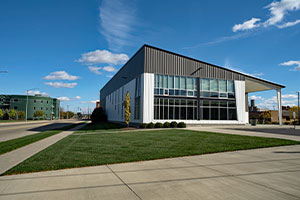
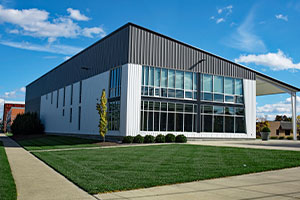
CODAC has been offering recovery rehab to people who live in and around Cranston and who are battling with substance use issues. As such, CODAC offers a wide range of services including activity therapy, group therapy, trauma-related counseling, substance abuse counseling approach, vocational rehabilitation services, rational emotive behavioral therapy and others applying its unique philosophy of evidence based approaches to addiction recovery and treatment.
This facility also thinks that the best results for clients are gotten from individualized services. To this end, it has been specializing in a wide range of personalized treatments like legal advocacy, seniors or older adults, domestic violence, clients referred from the court/judicial system, programs for the hearing impaired, residential beds for client's children and more. In the same way, this drug and alcohol treatment facility offers these services in the following settings - inpatient drug rehab programs, short term drug and alcohol rehab centers, long term treatment programs, inpatient detox programs, outpatient day treatment and more.
It also has aftercare programs designed to replicate its treatment methods in the creation of a level of stability, abstinence, and sobriety that is permanent and lasting. Lastly, CODAC accepts these payment forms - including private pay, private insurance, military insurance, payment assistance, state corrections or juvenile justice funds, other state funds and others.
Yes, it is quite common for individuals struggling with addiction to lie to themselves, a phenomenon often referred to as denial. Denial is a psychological defense mechanism that helps a person avoid confronting painful realities, emotions, or actions that they may not be prepared to handle.
In the context of addiction, an individual might convince themselves that they have their drug or alcohol use under control, that they can stop anytime they want, or that their substance use is not impacting their life negatively. They may downplay the quantity of substance consumed, the frequency of their use, or the resulting consequences. This self-deception can serve to protect them from the guilt, shame, or fear that might arise from acknowledging the full extent of their addiction.
Here are some common forms of self-deception seen in addiction:
Denial and self-deception can make it hard for people struggling with addiction to seek help or fully engage in treatment, as they may not fully acknowledge that they have a problem. This is why interventions, carried out with love, understanding, and professional guidance, can be essential in helping individuals recognize the reality of their addiction and take the necessary steps towards recovery.
However, it's crucial to remember that lying and self-deception are not moral failings but symptoms of the disease of addiction. Professional help and compassionate support from loved ones can help individuals break through their denial and embark on the path to recovery.
For homeless individuals struggling with substance abuse, accessing help can be particularly challenging due to factors such as limited resources, absence of stable housing, and potential co-occurring mental health disorders. However, there are a number of avenues that a homeless person can explore to get help:
Government Programs: Many cities have government-funded programs that provide services for homeless individuals, including substance abuse treatment. These may include detoxification, outpatient counseling, residential treatment, and medication-assisted treatment. The U.S. Department of Housing and Urban Development (HUD) and the Substance Abuse and Mental Health Services Administration (SAMHSA) are two significant sources of such assistance.
Community Health Clinics: Community health clinics often offer a range of services, including substance abuse treatment, on a sliding scale based on income. These clinics also frequently provide referrals to other necessary services.
Nonprofit Organizations: Many nonprofit organizations offer resources and support for homeless individuals struggling with substance abuse. These may include recovery support groups, transitional housing, job training programs, and other services.
Outreach Programs: Outreach programs are designed to connect with individuals who may not seek help on their own. Outreach workers may go to places where homeless individuals congregate to provide resources and assistance.
Housing First Programs: These programs, which prioritize providing individuals with stable housing without requiring sobriety or participation in treatment first, have been shown to be effective in helping people maintain recovery and improve their quality of life.
Emergency Departments and Hospitals: In a crisis, emergency medical personnel can provide immediate assistance and connect individuals with longer-term substance abuse treatment resources.
Veterans Services: If the individual is a veteran, the U.S. Department of Veterans Affairs offers many services, including substance abuse treatment, mental health services, and housing assistance.
Yes, a person struggling with drug addiction can certainly change. It's important to understand that addiction is a chronic, but treatable, disease. Like other chronic diseases, it's not about a "cure" but about managing the condition effectively.
Overcoming addiction typically involves a combination of self-awareness, willingness to change, support, and professional treatment. A key part of the process is the individual's motivation to improve their life and overcome their dependency on substances.
However, recovery from addiction often involves setbacks and challenges. The process can be difficult and time-consuming, requiring substantial personal commitment and support from others. Professional treatment can take several forms, including detoxification, medication-assisted therapy, counseling, and support groups.
Many people who were once addicted to drugs have gone on to live productive, healthy, and fulfilling lives. The journey to recovery is often a lifelong process of maintaining sobriety and managing triggers and cravings.
While change is indeed possible for someone struggling with addiction, it is typically a complex process requiring substantial effort, support, and treatment.
National Non Profit Helpline - 1-877-882-9275
Our National Non Profit Helpline is a 24/7, 365-day-a-year treatment referral and information service for individuals and families faced with mental and/or substance use disorders.
All calls are strictly confidential
Our service provides referrals to licensed treatment facilities, support groups, and community-based organizations. You don't have to struggle alone with addiction. Help is just a phone call away. Call 1-877-882-9275 now to get the help you need and deserve.



© Copyright 1998 - 2022 All Rights Reserved. Content is protected under copyright laws, do not use content without written permission.
