
3091 Enterprise Drive
State College, PA. 16801
814-235-6988
State College, PA has several nearby treatment choices including: 3 low cost treatment centers, 1 inpatient rehab, 3 drug rehabs that take PPO insurance like BCBS, 1 drug detox, 3 outpatient treatment programs.

For help finding an addiction treatment center, Call us!
All calls are 100% confidential and free
1-877-882-9275





Quest Services Inc is 9.6 miles from State College, Pennsylvania
Quest Services Inc has long been dedicated to assisting individuals recovery after a period of abusing drugs and alcohol. It has been doing this within State College, Pennsylvania and in the surrounding communities for many years now. Quest Services Inc offers services like anger management, couple/family therapy, dual diagnosis drug rehab, contingency management/motivational incentive, individual psychotherapy, 12-step facilitation approach - which are all in line with their philosophy of the treatments and rehabilitation programs that work. Quest Services Inc believes that clients need unique and individualized treatment approaches to achieve lasting recovery. This is why it offers several programs, like substance abuse education, domestic violence, social skills development, housing services, self-help groups, persons with eating disorders - among other services listed in the following sections.
Quest Services Inc offers detox centers, outpatient substance abuse counseling, long term drug rehab centers, inpatient drug and alcohol rehabs, short term drug and alcohol rehabs and others. Quest Services Inc has aftercare plans that are useful in helping clients after they complete treatment. This drug and alcohol rehabilitation program also uses treatment methods that can help you achieve and maintain a full recovery.
Finally, Quest Services Inc accepts private pay, private health insurance, military insurance, payment assistance, state education funds, other state funds, as well as others.
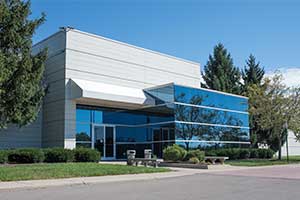
Saint Joseph Institute is 15.5 miles from State College, Pennsylvania
Saint Joseph Institute has long been dedicated to assisting its clients recovery after a period of substance abuse. It has been doing this within State College and in the surrounding areas for quite some time. Saint Joseph Institute provides services like anger management, couple/family therapy, dual diagnosis drug rehab, contingency management/motivational incentive, individual psychotherapy, 12-step facilitation approach - which are all representative of their rehabilitation and treatment philosophies. Additionally, Saint Joseph Institute believes that clients need specially tailored treatment programs to achieve recovery. This is why it offers various programs, like substance abuse education, domestic violence, social skills development, housing services, self-help groups, persons with eating disorders - among other services listed in the following sections.
Saint Joseph Institute offers inpatient detox programs, outpatient substance abuse counseling, long term treatment centers, inpatient rehab facilities, short term drug abuse treatment and others. Saint Joseph Institute has relapse prevention programs that are designed to help clients maintain their sobriety. This drug and alcohol rehab facility also uses treatment methods that can help you achieve and maintain a full recovery.
Finally, Saint Joseph Institute accepts cash or self-payment, private insurance, military insurance, payment assistance, state education funds, other state funds, as well as others.
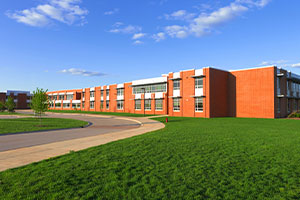
Clear Concepts Counseling is 20.9 miles from State College, PA
Helping someone afflicted with alcoholism requires a compassionate and supportive approach. The following steps can be useful in assisting an individual struggling with alcohol addiction:
For homeless individuals struggling with substance abuse, accessing help can be particularly challenging due to factors such as limited resources, absence of stable housing, and potential co-occurring mental health disorders. However, there are a number of avenues that a homeless person can explore to get help:
Government Programs: Many cities have government-funded programs that provide services for homeless individuals, including substance abuse treatment. These may include detoxification, outpatient counseling, residential treatment, and medication-assisted treatment. The U.S. Department of Housing and Urban Development (HUD) and the Substance Abuse and Mental Health Services Administration (SAMHSA) are two significant sources of such assistance.
Community Health Clinics: Community health clinics often offer a range of services, including substance abuse treatment, on a sliding scale based on income. These clinics also frequently provide referrals to other necessary services.
Nonprofit Organizations: Many nonprofit organizations offer resources and support for homeless individuals struggling with substance abuse. These may include recovery support groups, transitional housing, job training programs, and other services.
Outreach Programs: Outreach programs are designed to connect with individuals who may not seek help on their own. Outreach workers may go to places where homeless individuals congregate to provide resources and assistance.
Housing First Programs: These programs, which prioritize providing individuals with stable housing without requiring sobriety or participation in treatment first, have been shown to be effective in helping people maintain recovery and improve their quality of life.
Emergency Departments and Hospitals: In a crisis, emergency medical personnel can provide immediate assistance and connect individuals with longer-term substance abuse treatment resources.
Veterans Services: If the individual is a veteran, the U.S. Department of Veterans Affairs offers many services, including substance abuse treatment, mental health services, and housing assistance.
Yes, alcohol withdrawal can be fatal in severe cases, which is why it should always be managed under the supervision of healthcare professionals. This is especially true for individuals who have been drinking heavily for a long period of time or who have a history of severe withdrawal symptoms.
The most serious form of alcohol withdrawal is called delirium tremens (DTs), which occurs in approximately 5% of patients undergoing withdrawal. It typically starts 48 to 72 hours after the last drink, and symptoms can include severe confusion, hallucinations, high blood pressure, fever, heavy sweating, and rapid heartbeat. In addition to these, seizures can occur, which add to the risk.
Delirium tremens is a medical emergency and can be life-threatening if not treated promptly. Mortality rates without treatment are estimated to be as high as 35%, but with appropriate treatment, this rate drops to 5-15%.
Even less severe cases of alcohol withdrawal can be dangerous because they can lead to dehydration, severe vomiting, or other complications. Furthermore, withdrawal symptoms can make it difficult for an individual to maintain abstinence from alcohol, increasing the risk of a potentially dangerous relapse.
National Non Profit Helpline - 1-877-882-9275
Our National Non Profit Helpline is a 24/7, 365-day-a-year treatment referral and information service for individuals and families faced with mental and/or substance use disorders.
All calls are strictly confidential
Our service provides referrals to licensed treatment facilities, support groups, and community-based organizations. You don't have to struggle alone with addiction. Help is just a phone call away. Call 1-877-882-9275 now to get the help you need and deserve.



© Copyright 1998 - 2022 All Rights Reserved. Content is protected under copyright laws, do not use content without written permission.
