

1339 North Main Avenue
Scranton, PA. 18508
570-344-1444
Scranton, PA has nearby treatment options including: 5 low cost treatment centers, 0 inpatient treatment center, 3 drug rehabs that take private insurance like BCBS, 0 drug and alcohol detox, 4 outpatient rehabs.

For help finding an addiction treatment center, Call us!
All calls are 100% confidential and free
1-877-882-9275



Tpals Turning Point Alternative Living is an alcohol and drug rehabilitation program for individuals living in Scranton, Pennsylvania and within the surrounding neighborhoods while battling a substance use disorder and co-occurring mental health disorder. It offers services like couple/family therapy, group therapy, activity therapy, 12-step facilitation approach, matrix model, rational emotive behavioral therapy and more, that are in line with its philosophy of evidence based treatments that are proven effective.
In the same way, Tpals Turning Point Alternative Living believes in individualized care to make sure that their patients achieve the best possible results. The drug and alcohol rehab facility also specializes in other treatments like suicide prevention services, child care for clients children, seniors or older adults, persons with post-traumatic stress disorder, active duty military, persons with eating disorders - among many others. Many of these services are also provided by Tpals Turning Point Alternative Living in various settings like inpatient drug rehab programs, short term rehabs, outpatient detox programs, outpatient counseling, long term rehab facilities, as well as others.
Further, it has aftercare planning created to help you achieve permanent stability. These programs have made sure that Tpals Turning Point Alternative Living has a special place within the Scranton area, especially because they promote positive long term outcomes for the clients who enroll into this addiction treatment center. Last but not least, Tpals Turning Point Alternative Living accepts private insurance, private pay, medicare, medicaid, sliding fee scale, county or local government funds, state welfare or child and family services funds and others.
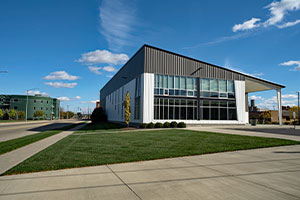

Drug and Alcohol Treatment Servs Inc is an alcohol and drug rehab center for individuals living in Scranton, PA. and within the surrounding neighborhoods while struggling with a substance use issue and co-occurring mental health disorder. As such, it provides services like couple/family therapy, group therapy, activity therapy, 12-step facilitation approach, matrix model, rational emotive behavioral therapy and more, that are in keeping with its philosophy of the treatments that have been proved to work.
Drug and Alcohol Treatment Servs Inc believes in individual treatment to ensure that their clients find success and sobriety. The alcohol and drug treatment facility also specializes in other treatments like suicide prevention services, child care for clients children, seniors or older adults, persons with post-traumatic stress disorder, active duty military, persons with eating disorders - among many others. Many of these services are also provided by Drug and Alcohol Treatment Servs Inc in various settings like inpatient drug and alcohol rehab facilities, short term treatment facilities, detox programs, outpatient hospital programs, long term drug rehab programs, as well as others.
In addition, it has aftercare planning and other treatment methods created to help you achieve lasting sobriety. These programs have made sure that Drug and Alcohol Treatment Servs Inc has a special place within the Scranton, Pennsylvania area, especially because they lead to positive long term outcomes for the clients who enroll into this addiction treatment center. Lastly, Drug and Alcohol Treatment Servs Inc accepts private insurance, cash or self-payment, medicare, medicaid, sliding fee scale, county or local government funds, state welfare or child and family services funds and others.
Fentanyl overdose is a life-threatening emergency that requires immediate action. Here are the steps you should take:
Helping someone detoxing from opioids is a delicate process that requires careful attention, support, and understanding. Here are some ways you can assist:
Encourage Professional Help: Detoxing from opioids should ideally be done under the supervision of healthcare professionals. Encourage them to seek professional help, as this ensures their safety throughout the process and provides them with the best chance for successful recovery.
Learn About Opioid Withdrawal: Understanding the process of opioid withdrawal can help you be more empathetic and supportive. Symptoms can include anxiety, restlessness, insomnia, and flu-like symptoms such as sweating and diarrhea. Also, be aware of Post-Acute Withdrawal Syndrome (PAWS), which can present psychological symptoms like mood swings and depression for weeks or months after the initial detox period.
Provide Emotional Support: Be patient, understanding, and supportive. Listen to them, be there for them, and reassure them that they're not alone in this process. Avoid shaming or blaming, which can increase feelings of guilt and discourage recovery efforts.
Support Their Treatment Plan: Help them stick to their treatment plan. This could involve driving them to appointments, ensuring they take prescribed medications, or helping them manage their schedule to accommodate therapy or support group meetings.
Promote Healthy Habits: Encourage them to eat healthily, exercise, and get enough sleep. These habits can help strengthen their physical health and resilience during detox and recovery.
Limit Triggers: Help create an environment that minimizes triggers for drug use. This might involve clearing out substances and paraphernalia, or avoiding places or people associated with drug use.
Join a Support Group: Consider attending a support group for friends and family members of people with substance use disorders, such as Nar-Anon. These groups can offer valuable advice, resources, and support for you as you help your loved one.
Take Care of Yourself: Supporting someone through detox can be emotionally demanding. Make sure to take care of your own mental and physical health, too. Self-care isn't selfish�''it's crucial for you to be able to provide sustained support to your loved one.
LGBTQ+ (lesbian, gay, bisexual, transgender, queer, and others) individuals are indeed at a higher risk for drug and alcohol abuse due to a variety of factors that often intersect and compound over time. These factors primarily relate to the stress and challenges associated with living as a marginalized group in many societies. Here are some of the main factors:
Minority Stress: This term refers to the chronic stress faced by individuals belonging to a stigmatized minority group. For LGBTQ+ individuals, this can stem from societal prejudice, discrimination, and violence related to their sexual orientation or gender identity. Such stressors can contribute to increased substance use as a coping mechanism.
Stigma and Discrimination: Experiences of rejection, exclusion, and maltreatment can increase feelings of anxiety and depression, which are associated with higher substance use rates. This can occur in various settings, including workplaces, schools, and even within families and social networks.
Internalized Negative Self-Perceptions: LGBTQ+ individuals may internalize societal biases and develop negative self-perceptions about their identity, leading to feelings of guilt, shame, and low self-esteem. These feelings can contribute to the misuse of substances as a form of self-medication.
Lack of Inclusive Healthcare: Many healthcare systems lack the resources or training to provide culturally competent care to LGBTQ+ individuals. This can make it difficult for these individuals to seek help or access effective treatment for substance use disorders.
Social Isolation: Feelings of isolation, which can be the result of rejection or non-acceptance by family, friends, or society, can increase the risk of substance use and misuse.
Intersectional Identity Stressors: LGBTQ+ individuals who also belong to other marginalized groups (like racial or ethnic minorities) may face additional stressors that can increase the risk of substance abuse.
National Non Profit Helpline - 1-877-882-9275
Our National Non Profit Helpline is a 24/7, 365-day-a-year treatment referral and information service for individuals and families faced with mental and/or substance use disorders.
All calls are strictly confidential
Our service provides referrals to licensed treatment facilities, support groups, and community-based organizations. You don't have to struggle alone with addiction. Help is just a phone call away. Call 1-877-882-9275 now to get the help you need and deserve.



© Copyright 1998 - 2022 All Rights Reserved. Content is protected under copyright laws, do not use content without written permission.

