
701 4th Avenue
New Kensington, PA. 15068
724-339-7180
New Kensington, PA has nearby treatment options including: 1 medicare treatment center, 1 inpatient rehab, 4 drug rehabs that take private insurance like Blue Cross Blue Shield, 1 drug detox, 3 outpatient rehabs.

For help finding an addiction treatment center, Call us!
All calls are 100% confidential and free
1-877-882-9275





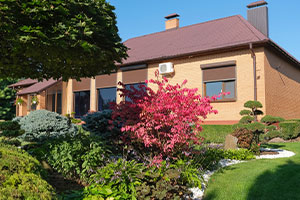
Western PA Adult and Teen Challenge is 6.4 miles from New Kensington, PA
Western PA Adult and Teen Challenge is an alcohol and drug treatment program for people residing in New Kensington and within the surrounding neighborhoods while battling an alcohol and drug abuse disorder . It offers services like cognitive/behavior therapy, 12-step facilitation approach, substance abuse counseling approach, dialectical behavior therapy, group therapy, trauma-related counseling and more, that are in keeping with its philosophy of evidence based treatments that are proven effective.
In the same way, Western PA Adult and Teen Challenge believes in individual treatment to ensure that their patients achieve the best possible results. The drug and alcohol treatment facility has also specialized in other treatments like clients with HIV/AIDS, housing services, domestic violence, self-help groups, programs for the hearing impaired, treatment for spanish-speaking clients - among many others. All these services are also offered by Western PA Adult and Teen Challenge in different settings like short term treatment facilities, long term drug addiction treatment, inpatient detox centers, outpatient substance abuse counseling, inpatient drug rehab programs, as well as others.
Further, it has aftercare plans and programs created to help you find permanent and lasting sobriety. These programs have ensured that Western PA Adult and Teen Challenge has a special place within New Kensington, PA. and its surrounding area, especially because they lead to positive long term outcomes for the people who enroll into this addiction treatment center. Last but not least, Western PA Adult and Teen Challenge accepts private health insurance, private pay, medicare, medicaid, military insurance, other state funds, county or local government funds and others.
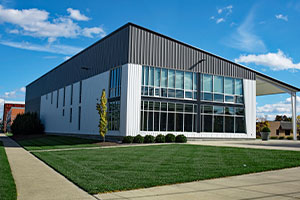
Allied Addiction Recovery LLC is 7.4 miles from New Kensington, Pennsylvania
"Drug rehabilitation, also known as drug rehab, is a comprehensive process aimed at helping individuals overcome substance use disorders and achieve long-term recovery. The process of drug rehabilitation typically involves several stages and components, which may vary depending on the individual's unique needs, the type of addiction, and the chosen treatment facility. The following is an overview of the general process of drug rehabilitation:
Assessment and evaluation: The first step in drug rehab is a thorough assessment and evaluation of the individual's physical, psychological, and social circumstances. This information helps healthcare professionals determine the severity of the addiction, identify any co-occurring mental health disorders, and develop a personalized treatment plan tailored to the individual's needs.
Detoxification: Detoxification, or detox, is the process of clearing drugs and toxins from the body. Depending on the substance and severity of the addiction, detox may be medically supervised to manage withdrawal symptoms safely and alleviate discomfort. In some cases, medications may be prescribed to ease withdrawal symptoms and prevent complications.
Therapy and counseling: Once the individual is stabilized, they will participate in various forms of therapy and counseling to address the psychological and emotional aspects of addiction. These may include individual, group, or family therapy sessions, and utilize evidence-based approaches such as Cognitive Behavioral Therapy (CBT), Dialectical Behavior Therapy (DBT), or Motivational Interviewing (MI) to help individuals understand the underlying factors contributing to their addiction and develop healthy coping strategies.
Medication management: In some cases, medications may be used during the rehabilitation process to manage withdrawal symptoms, reduce cravings, or treat co-occurring mental health disorders. Medication-Assisted Treatment (MAT) is an example of this, which combines medications with counseling and behavioral therapies to treat opioid or alcohol addiction.
Education and life skills training: Drug rehabilitation programs often include educational sessions and life skills training to help individuals understand the nature of addiction and develop essential skills for maintaining sobriety, such as stress management, communication, and decision-making.
Peer support and group therapy: Engaging in peer support groups, such as Alcoholics Anonymous (AA) or Narcotics Anonymous (NA), can provide valuable encouragement, understanding, and accountability during the recovery process. These groups often play a significant role in helping individuals maintain long-term sobriety.
Aftercare planning and follow-up: As the individual approaches the end of their rehabilitation program, a comprehensive aftercare plan is developed to support their transition back into daily life and prevent relapse. This plan may include ongoing therapy, support group meetings, sober living arrangements, or other resources to help maintain recovery.
Continuous support: Recovery from addiction is a lifelong process that requires ongoing effort and support. Maintaining connections with support groups, therapists, and other individuals in recovery can be crucial in sustaining long-term sobriety and managing potential relapses."
For homeless individuals struggling with substance abuse, accessing help can be particularly challenging due to factors such as limited resources, absence of stable housing, and potential co-occurring mental health disorders. However, there are a number of avenues that a homeless person can explore to get help:
Government Programs: Many cities have government-funded programs that provide services for homeless individuals, including substance abuse treatment. These may include detoxification, outpatient counseling, residential treatment, and medication-assisted treatment. The U.S. Department of Housing and Urban Development (HUD) and the Substance Abuse and Mental Health Services Administration (SAMHSA) are two significant sources of such assistance.
Community Health Clinics: Community health clinics often offer a range of services, including substance abuse treatment, on a sliding scale based on income. These clinics also frequently provide referrals to other necessary services.
Nonprofit Organizations: Many nonprofit organizations offer resources and support for homeless individuals struggling with substance abuse. These may include recovery support groups, transitional housing, job training programs, and other services.
Outreach Programs: Outreach programs are designed to connect with individuals who may not seek help on their own. Outreach workers may go to places where homeless individuals congregate to provide resources and assistance.
Housing First Programs: These programs, which prioritize providing individuals with stable housing without requiring sobriety or participation in treatment first, have been shown to be effective in helping people maintain recovery and improve their quality of life.
Emergency Departments and Hospitals: In a crisis, emergency medical personnel can provide immediate assistance and connect individuals with longer-term substance abuse treatment resources.
Veterans Services: If the individual is a veteran, the U.S. Department of Veterans Affairs offers many services, including substance abuse treatment, mental health services, and housing assistance.
Recognizing whether you have an addiction problem involves self-reflection and a honest assessment of your behaviors, thoughts, and emotions related to substance use or compulsive behaviors. Addiction is characterized by an inability to control or abstain from a substance or behavior despite negative consequences and a preoccupation with the addictive substance or behavior. Here are some signs and symptoms that may indicate an addiction problem:
If you recognize any of these signs and symptoms in your own life, it may be an indication that you have an addiction problem. It is important to seek help from a healthcare professional, addiction counselor, or support group to discuss your concerns and explore available treatment options. Remember, addiction is a complex and chronic condition, but recovery is possible with the appropriate support and intervention.
National Non Profit Helpline - 1-877-882-9275
Our National Non Profit Helpline is a 24/7, 365-day-a-year treatment referral and information service for individuals and families faced with mental and/or substance use disorders.
All calls are strictly confidential
Our service provides referrals to licensed treatment facilities, support groups, and community-based organizations. You don't have to struggle alone with addiction. Help is just a phone call away. Call 1-877-882-9275 now to get the help you need and deserve.



© Copyright 1998 - 2022 All Rights Reserved. Content is protected under copyright laws, do not use content without written permission.
