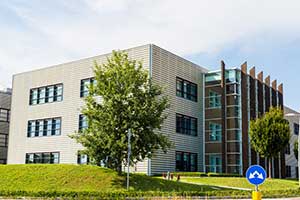
36 Public Avenue
Montrose, PA. 18801
570-278-3338
Montrose, PA has nearby choices for addiction treatment including: 4 medicaid programs, 0 inpatient treatment center, 3 drug rehabs that take PPO insurance like Blue Cross Blue Shield, 0 drug detox, 4 outpatient rehabs.

For help finding an addiction treatment center, Call us!
All calls are 100% confidential and free
1-877-882-9275





Southern Tier Drug Abuse Treatment Ctr is 18 miles from Montrose, PA
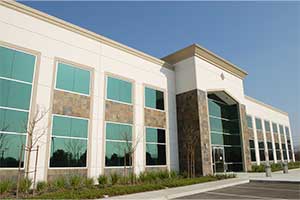
Addiction Center of Broome County Inc is 19.5 miles from Montrose, Pennsylvania
Like other addiction treatment facilities, Addiction Center of Broome County Inc is dedicated to ongoing recovery for drug and alcohol abusers living in the local community. As such, this drug and alcohol rehab program has been providing services like brief intervention approach, dual diagnosis drug rehab, activity therapy, individual psychotherapy, matrix model, anger management and more.
Further, Addiction Center of Broome County Inc thinks that it is essential that its clients receive individual focus and services to ensure that they are successful. This is why it specializes in various programs such as housing services, social skills development, active duty military, self-help groups, persons who have experienced sexual abuse, clients with HIV/AIDS and others that you can find listed below. These services that the organization provides are also available in different settings - outpatient detox programs, long term drug rehab facilities, inpatient addiction treatment facilities, outpatient substance abuse treatment services, short term addiction treatment centers and more.
This rehab also has aftercare plans that can help you find lasting stability both in the short and in the long term. Finally, Addiction Center of Broome County Inc accepts private pay, private health insurance, medicaid, medicare, military insurance, other state funds, state corrections or juvenile justice funds and others.

Childrens Service Center Wyoming is 19.7 miles from Montrose, PA
Like other alcohol and drug treatment facilities, Childrens Service Center Wyoming is dedicated to ongoing recovery for alcohol and drug abusers living in Montrose, Pennsylvania and its surrounding areas. As such, this drug and alcohol rehab center has been providing services like brief intervention approach, dual diagnosis drug rehab, activity therapy, individual psychotherapy, matrix model, anger management and more, which is in line with its philosophy of the treatments that actually work to help addicts recover from their condition (s).
In Addition, Childrens Service Center Wyoming believes that it is essential that its clients receive individual focus and services to ensure that they are successful. This is why it specializes in several programs such as housing services, social skills development, active duty military, self-help groups, persons who have experienced sexual abuse, clients with HIV/AIDS and many other modes of treatment that you can find listed in the following section. These services that Childrens Service Center Wyoming provides are also available in different settings - detoxification centers, long term addiction treatment facilities, inpatient drug rehab programs, outpatient day treatment, short term rehab programs and more.
Not surprisingly, this rehab also has aftercare plans that can help you achieve permanent sobriety in the long term. Finally, Childrens Service Center Wyoming accepts private pay, private medical insurance, medicare, medicaid, military insurance, other state funds, state corrections or juvenile justice funds and others.
Learn about addiction: Educate yourself on drug addiction, its causes, symptoms, and treatment options. This knowledge will help you better understand the person's struggles and provide informed support.
People may abuse addictive substances for a variety of reasons, often involving a complex interplay of biological, psychological, and social factors. Here are some common reasons:
Biological Factors: Certain individuals may be genetically predisposed to addiction. This could involve inherited traits that affect the way substances interact with their brain or influence their susceptibility to mental health disorders, which can increase the risk of substance abuse.
Psychological Factors: Many people turn to addictive substances as a way to cope with mental health issues such as depression, anxiety, or post-traumatic stress disorder. Substance use may provide temporary relief from these conditions, though in the long term it often exacerbates them.
Social Factors: Peer pressure, especially among young people, can lead to substance abuse. If an individual is in an environment where drug or alcohol use is common, they may feel compelled to partake in order to fit in.
Environmental Factors: Stressful or traumatic environments can increase the risk of substance abuse. This can include living in poverty, experiencing abuse or neglect, or being exposed to violence.
Curiosity and Experimentation: Particularly among adolescents and young adults, the desire to try new experiences can lead to substance use.
Self-Medication: Some people use substances to self-medicate physical pain. For example, the opioid crisis has been fueled in part by individuals who initially used prescription opioids to manage pain and then developed an addiction.
Escapism: People may use substances to escape their reality, numb emotional pain, or simply to feel good. Addictive substances often provide a temporary sense of euphoria or relaxation, which can be enticing.
Co-occurring Disorders: Individuals with co-occurring mental health disorders are at a significantly higher risk of substance use disorders. This is because these individuals might use substances as a form of self-medication.
National Non Profit Helpline - 1-877-882-9275
Our National Non Profit Helpline is a 24/7, 365-day-a-year treatment referral and information service for individuals and families faced with mental and/or substance use disorders.
All calls are strictly confidential
Our service provides referrals to licensed treatment facilities, support groups, and community-based organizations. You don't have to struggle alone with addiction. Help is just a phone call away. Call 1-877-882-9275 now to get the help you need and deserve.



© Copyright 1998 - 2022 All Rights Reserved. Content is protected under copyright laws, do not use content without written permission.
