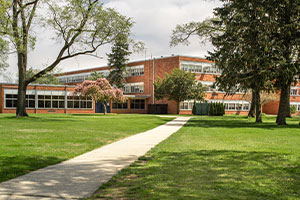
279 Route 6 West
Coudersport, PA. 16915
814-274-9745
Coudersport, PA has nearby choices for addiction treatment including: 2 medicaid programs, 2 inpatient rehabs, 3 drug rehabs that take private insurance like Cigna, 1 detox center, 3 outpatient rehabs.

For help finding an addiction treatment center, Call us!
All calls are 100% confidential and free
1-877-882-9275




Alcohol and Drug Abuse Services Inc is 22.8 miles from Coudersport, PA

Allegany Council on Alc/Subst Abuse is 24 miles from Coudersport, Pennsylvania
Allegany Council on Alc/Subst Abuse is an alcohol and drug treatment facility for people residing in the local community while struggling with a substance abuse disorder . As such, it provides services like dialectical behavior therapy, trauma therapy, contingency management/motivational incentive, behavior modification, cognitive/behavior therapy, 12-step facilitation approach and more, that are in line with its philosophy of the treatments that have been proved to work.
In the same way, Allegany Council on Alc/Subst Abuse believes in individual treatment to make sure that their patients achieve the best possible results. The drug and alcohol rehab center also specializes in other types of care like treatment for spanish-speaking clients, programs for the hearing impaired, veterans, seniors or older adults, self-help groups, transgender or (LGBT) clients - among many others. Many of these services are also offered by Allegany Council on Alc/Subst Abuse in different settings like inpatient addiction treatment facilities, short term drug abuse treatment, long term drug rehab centers, outpatient hospital programs, detox centers, as well as others.
In addition, it has aftercare plans and programs created to help you find lasting stability. These services have ensured that Allegany Council on Alc/Subst Abuse has a special place within the Coudersport, Pennsylvania area, especially because they promote positive long term outcomes for the clients who enroll into this drug and alcohol rehabilitation program. Lastly, Allegany Council on Alc/Subst Abuse accepts private health insurance, private pay, payment assistance, sliding fee scale, county or local government funds, state welfare or child and family services funds and others.


Mountain Laurel Recovery Center is 24.2 miles from Coudersport, Pennsylvania
"The duration of treatment for drug addiction can vary significantly depending on several factors, including the individual's unique needs, the severity and type of addiction, and the chosen treatment approach. There is no universally prescribed timeline for addiction treatment, as each person's journey to recovery is different. However, some general timeframes can be considered when discussing drug addiction treatment:
Detoxification: The initial detoxification process, during which the body clears itself of drugs and toxins, can range from a few days to several weeks, depending on the substance involved and the individual's physiological response.
Inpatient or residential treatment: Inpatient or residential treatment programs, which provide intensive, structured care in a controlled environment, typically last between 28 days and 90 days. However, some individuals may require extended stays of six months or longer, depending on their progress and specific needs.
Outpatient treatment: Outpatient treatment programs, which offer therapy and support while allowing individuals to continue living at home, can vary in duration and intensity. Some programs may last for several weeks or months, while others may continue for a year or more, with sessions becoming less frequent over time as the individual progresses in their recovery.
Aftercare and ongoing support: Recovery from addiction is a lifelong process, and ongoing aftercare and support are crucial for maintaining long-term sobriety. Aftercare may include continuing therapy, attending support group meetings, or participating in sober living communities. The duration of aftercare and ongoing support can vary based on individual needs and may continue indefinitely.
Research suggests that longer durations of treatment are generally more effective in promoting lasting recovery. The National Institute on Drug Abuse (NIDA) recommends a minimum of 90 days of treatment for most individuals, as shorter durations have been associated with higher relapse rates. However, it is essential to recognize that each person's path to recovery is unique, and the most effective treatment plans are tailored to their specific needs, goals, and circumstances."
Rehabilitation centers use a combination of medical, psychological, and supportive care to help you manage and overcome withdrawal symptoms during the detoxification stage of recovery. Here's what you can expect:
Medical Supervision and Care: During withdrawal, you'll be under the constant care of medical professionals who monitor your vital signs and general health. This is crucial because withdrawal from certain substances can be life-threatening.
Medication-Assisted Treatment: Depending on the substance you're withdrawing from and the severity of your symptoms, the medical team may administer medications to alleviate discomfort and reduce cravings. For example, methadone or buprenorphine might be used for opioid withdrawal, while benzodiazepines might be used for alcohol withdrawal.
Psychological Support: Mental health professionals provide psychological support during withdrawal. This might include individual counseling, group therapy, or cognitive-behavioral techniques to help manage cravings and cope with the emotional stress of withdrawal.
Comfort Measures: Rehab centers often use comfort measures to help manage withdrawal symptoms. These might include a quiet and comfortable room to rest in, nutritional support, hydration, and complementary therapies such as acupuncture, massage, or yoga.
Preparation for Ongoing Treatment: Detox and withdrawal management are just the first steps in the recovery process. While helping you through withdrawal, staff at the rehab center will also be preparing you for the next phases of treatment, which may include therapy, medication management, and skill-building to maintain long-term sobriety.
Peer Support: Many rehab centers facilitate peer support groups, where you can share experiences and coping strategies with others who are going through a similar process.
Drug addiction, also known as Substance Use Disorder (SUD), is a complex condition that affects an individual's brain and behavior, leading to an inability to control the use of drugs despite harmful consequences. Drug addiction can impact a person in various ways, including physical, psychological, social, and emotional aspects of their life. Some of the effects of drug addiction include:
National Non Profit Helpline - 1-877-882-9275
Our National Non Profit Helpline is a 24/7, 365-day-a-year treatment referral and information service for individuals and families faced with mental and/or substance use disorders.
All calls are strictly confidential
Our service provides referrals to licensed treatment facilities, support groups, and community-based organizations. You don't have to struggle alone with addiction. Help is just a phone call away. Call 1-877-882-9275 now to get the help you need and deserve.



© Copyright 1998 - 2022 All Rights Reserved. Content is protected under copyright laws, do not use content without written permission.
