
5000 Hilltop Drive
Brookhaven, PA. 19015
484-490-1060
Brookhaven, PA has nearby choices for addiction treatment including: 3 medicare programs, 1 inpatient treatment center, 4 drug rehabs that take private insurance like Aetna, 3 drug and alcohol detox, 2 outpatient rehabs.

For help finding an addiction treatment center, Call us!
All calls are 100% confidential and free
1-877-882-9275






First Steps is 1.5 miles from Brookhaven, Pennsylvania
First Steps is dedicated to helping the residents of Brookhaven, PA. and the surrounding areas to recovering from the problems and issues that arrive from drug an/or alcohol abuse. As such, First Steps provides a wide variety of services in line with their belief of treatments that work - including long term addiction treatment facilities, short term rehab programs, intensive outpatient treatment, inpatient drug and alcohol rehabs, inpatient detoxification facilities and others.
First Steps also feels that it is necessary that every individual client gets uniquely tailored treatment to ensure their recovery. This is why it is specialized in a wide variety of treatment modalities, including brief intervention approach, trauma therapy, individual psychotherapy, rational emotive behavioral therapy, cognitive/behavior therapy, behavior modification and others. In addition, First Steps is specialized in persons with eating disorders, housing services, active duty military, veterans, child care for clients children, residential beds for client's children, as well as other special programs. In general, the treatment methods that this substance abuse treatment facility uses can provide the level of stability that is as permanent as it is lasting.
Lastly, First Steps accepts cash or self-payment, private health insurance, military insurance, payment assistance, county or local government funds, access to recovery (atr) voucher and more.
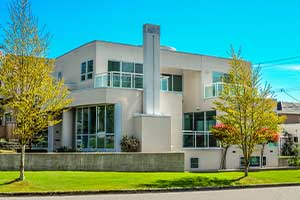
First Steps Treatment Center is 1.5 miles from Brookhaven, PA
First Steps Treatment Center is devoted to assisting the people of Brookhaven and the surrounding areas to getting their life back after struggling with substance abuse. Because of this, First Steps Treatment Center provides a wide assortment of services in line with their philosophy of treatments that work - including long term drug and alcohol rehab centers, short term rehab programs, outpatient substance abuse counseling, inpatient drug and alcohol rehab programs, inpatient detox centers and others.
First Steps Treatment Center also feels that it is vital that every individual client gets highly personalized services to ensure their recovery. This is why it is specialized in a wide variety of treatment modalities, including brief intervention approach, trauma therapy, individual psychotherapy, rational emotive behavioral therapy, cognitive/behavior therapy, behavior modification and others. In addition, First Steps Treatment Center is specialized in persons with eating disorders, housing services, active duty military, veterans, child care for clients children, residential beds for client's children, as well as other special programs. In general, the treatment methods that this alcohol and drug treatment program uses strive to achieve true and lasting sobriety for each of its clients.
Lastly, First Steps Treatment Center accepts private pay, private health insurance, military insurance, payment assistance, county or local government funds, access to recovery (atr) voucher and more.

Recovery Center of Crozer Chester is 1.6 miles from Brookhaven, PA
Alcoholism, also known as Alcohol Use Disorder (AUD), is a chronic condition characterized by an inability to control alcohol consumption despite adverse consequences. The symptoms of alcoholism can vary among individuals but typically include a combination of physical, psychological, and behavioral signs. Some common symptoms include:
Opioid addiction is a chronic condition characterized by compulsive use of opioids despite harmful consequences. Recognizing the symptoms of opioid addiction can help in providing timely intervention and support for the affected individual. Some common symptoms of opioid addiction include:
Yes, many insurance companies do provide coverage for substance abuse treatment, but the extent and specifics of the coverage can vary widely depending on the individual insurance policy and the provider.
This coverage is largely due to the Mental Health Parity and Addiction Equity Act of 2008 in the United States, which requires health insurers and group health plans to provide the same level of benefits for mental and/or substance use treatment and services that they do for medical/surgical care.
Here's a closer look at some key aspects:
Types of Treatment Covered: Many insurance policies cover a range of substance abuse treatments, including detoxification, inpatient rehab, outpatient rehab, medication-assisted treatment, and ongoing counseling or therapy. However, the specific treatments covered will depend on your particular insurance policy.
Co-Pays and Deductibles: Even if an insurance policy covers substance abuse treatment, you may still be responsible for co-pays, deductibles, or coinsurance. These costs can vary depending on the specifics of your insurance plan.
Network Restrictions: Some insurance plans may only cover treatment provided by certain providers or facilities within their network. It's important to check with your insurance company to determine which providers are covered under your plan.
Preauthorization: Some insurance plans require preauthorization for certain types of substance abuse treatment. This means that the treatment must be approved by the insurance company before they will cover the cost.
Duration of Coverage: The duration of coverage for substance abuse treatment can vary. Some insurance plans may only cover a certain number of days of inpatient treatment or a certain number of therapy sessions, for example.
Affordable Care Act (ACA): Under the ACA, all health insurance plans sold on Health Insurance Exchanges must cover substance use disorder services.
National Non Profit Helpline - 1-877-882-9275
Our National Non Profit Helpline is a 24/7, 365-day-a-year treatment referral and information service for individuals and families faced with mental and/or substance use disorders.
All calls are strictly confidential
Our service provides referrals to licensed treatment facilities, support groups, and community-based organizations. You don't have to struggle alone with addiction. Help is just a phone call away. Call 1-877-882-9275 now to get the help you need and deserve.



© Copyright 1998 - 2022 All Rights Reserved. Content is protected under copyright laws, do not use content without written permission.
