


2442 Brodhead Road
Bethlehem, PA. 18020
610-758-8011
Bethlehem, PA has a few different treatment options: 1 medicare program, 1 inpatient treatment center, 4 drug rehabs that take PPO insurance like BCBS, 1 drug and alcohol detox, 4 outpatient rehabs.

For help finding an addiction treatment center, Call us!
All calls are 100% confidential and free
1-877-882-9275You can now filter our treatment results to show you tailored rehab programs that fit your exact needs. Just choose the type of treatment you are looking for, a payment type such as private insurance or low cost, and any specialized treatment approach you are interested in. Click submit and we will provide a list of alcohol and drug rehab centers that match your criteria.



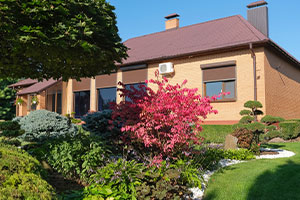
Like other alcohol and drug rehab programs, Community Service Foundation Inc is dedicated to ongoing recovery for drug and alcohol addicts living in Bethlehem, PA. and its surrounding areas. As such, this substance abuse treatment center has been offering care like contingency management/motivational incentive, cognitive/behavior therapy, dual diagnosis drug rehab, trauma therapy, substance abuse counseling approach, 12-step facilitation approach and more.
Further, Community Service Foundation Inc believes that it is essential that its patients receive individual focus and services to make sure that they get effective results. This is why it specializes in several programs such as active duty military, residential beds for client's children, persons with serious mental illness, seniors or older adults, clients referred from the court/judicial system, substance abuse education and others that you can find listed below. These services that the organization offers are also available in different settings - outpatient detoxification centers, long term drug rehab programs, outpatient substance abuse counseling, inpatient drug treatment, short term drug and alcohol rehab facilities and more.
Not surprisingly, this rehab also has aftercare plans and programs and other treatment methods that can help you achieve permanent and lasting sobriety both in the short and in the long term. Finally, Community Service Foundation Inc accepts private health insurance, cash or self-payment, sliding fee scale, medicaid, medicare, access to recovery (atr) voucher, state corrections or juvenile justice funds and others.

Like other alcohol and drug rehabilitation programs, Mid Atlantic Rehabilitation Services is dedicated to long term recovery for alcohol and drug abusers living in the local community. As such, this drug and alcohol rehab facility has been offering care like contingency management/motivational incentive, cognitive/behavior therapy, dual diagnosis drug rehab, trauma therapy, substance abuse counseling approach, 12-step facilitation approach and more.
In Addition, Mid Atlantic Rehabilitation Services thinks that it is important that its patients receive individualized care to ensure that they are successful. They specialize in several programs such as active duty military, residential beds for client's children, persons with serious mental illness, seniors or older adults, clients referred from the court/judicial system, substance abuse education and many other modes of treatment that you can find listed below. Each of the services that the organization provides are also available in a variety of settings - inpatient detox centers, long term drug rehab centers, outpatient hospital programs, inpatient rehabs, short term treatment programs and more.
This rehab also has aftercare planning and other treatment methods that can help you achieve permanent sobriety in the long term. Finally, Mid Atlantic Rehabilitation Services accepts private health insurance, private pay, sliding fee scale, medicaid, medicare, access to recovery (atr) voucher, state corrections or juvenile justice funds and others.

Like other alcohol and drug rehabilitation programs, Lehigh County Center for Recovery is dedicated to long term recovery for alcohol and drug abusers living in the Bethlehem area. As such, this drug and alcohol rehab center has been offering care like contingency management/motivational incentive, cognitive/behavior therapy, dual diagnosis drug rehab, trauma therapy, substance abuse counseling approach, 12-step facilitation approach and more.
Further, Lehigh County Center for Recovery believes that it is essential that its clients receive individual focus and services to ensure that they get effective results. This is why it specializes in various programs such as active duty military, residential beds for client's children, persons with serious mental illness, seniors or older adults, clients referred from the court/judicial system, substance abuse education and others that you can find listed in the following section. Each of the services that the organization provides are also available in a variety of settings - inpatient detox facilities, long term rehab programs, outpatient day treatment, inpatient drug rehab programs, short term rehab programs and more.
Not surprisingly, this rehab also has aftercare plans and programs and other treatment methods that can help you find permanent stability in the long term. Finally, Lehigh County Center for Recovery accepts private health insurance, private pay, sliding fee scale, medicaid, medicare, access to recovery (atr) voucher, state corrections or juvenile justice funds and others.

Like other alcohol and drug rehab facilities, Livengrin Counseling Center is dedicated to ongoing recovery for drug and alcohol addicts living in the local community. As such, this substance abuse treatment center has been offering services like contingency management/motivational incentive, cognitive/behavior therapy, dual diagnosis drug rehab, trauma therapy, substance abuse counseling approach, 12-step facilitation approach and more, which is in line with its philosophy of the treatments that actually work to help addicts recover from their condition (s).
Further, Livengrin Counseling Center thinks that it is important that its clients receive individualized care to make sure that they get effective results. This is why it specializes in various programs such as active duty military, residential beds for client's children, persons with serious mental illness, seniors or older adults, clients referred from the court/judicial system, substance abuse education and many other modes of treatment that you can find listed in the following section. Each of the services that Livengrin Counseling Center provides are also available in different settings - outpatient detox programs, long term addiction treatment programs, outpatient counseling, inpatient drug rehab programs, short term drug and alcohol rehab centers and more.
This rehab also has aftercare programs that can help you find permanent and lasting stability both in the short and in the long term. Finally, Livengrin Counseling Center accepts private insurance, private pay, sliding fee scale, medicare, medicaid, access to recovery (atr) voucher, state corrections or juvenile justice funds and others.
Learn about addiction: Educate yourself on drug addiction, its causes, symptoms, and treatment options. This knowledge will help you better understand the person's struggles and provide informed support.
Methadone, Suboxone (a combination of buprenorphine and naloxone), and Subutex (buprenorphine) are medications used in Medication-Assisted Treatment (MAT) for opioid use disorders. Their primary purpose in the recovery process is to help manage withdrawal symptoms and reduce cravings, facilitating a safer, more comfortable transition to abstinence or long-term management of the disorder. Here's a more detailed look at how each of these medications function:
Methadone: Methadone is a long-acting opioid agonist, which means it activates the same receptors in the brain that other opioids like heroin, morphine, or prescription painkillers do. However, it does so more slowly and for a longer duration, without causing the intense euphoria associated with misuse of those drugs. This helps to mitigate withdrawal symptoms and cravings, enabling individuals to function more normally in daily life.
Suboxone: Suboxone contains two active ingredients: buprenorphine and naloxone. Buprenorphine is a partial opioid agonist, meaning it activates the opioid receptors in the brain, but to a lesser extent than full agonists like heroin or methadone. This can help manage cravings and withdrawal symptoms without producing the high associated with opioid misuse. Naloxone is an opioid antagonist, meaning it blocks the effects of opioids. It's included in Suboxone to discourage misuse of the medication; if someone tries to inject Suboxone, the naloxone will trigger withdrawal symptoms.
Subutex: Subutex is the brand name for buprenorphine alone. Like in Suboxone, buprenorphine in Subutex serves to lessen withdrawal symptoms and reduce cravings. It is typically used in the initial stages of treatment, while Suboxone is more commonly used for maintenance.
These medications are typically used as part of a comprehensive treatment plan that also includes counseling and behavioral therapies. It's important to note that while these medications can be highly effective in supporting recovery, they should be used under the guidance of a healthcare provider due to the risk of misuse and potential side effects. Each individual's treatment plan should be tailored to their unique needs and circumstances to ensure the best possible outcomes.
"Dealing with a sibling addicted to drugs is challenging and often emotionally draining. Here are several strategies to consider when navigating this difficult situation:
Education: The first step is to educate yourself about addiction. Understanding that addiction is a chronic disease can help you comprehend the struggles your sibling is going through.
Communication: Open lines of communication with your sibling. Speak honestly about your concerns, but avoid judgmental language. Express your love and concern rather than blame and anger.
Support, Don't Enable: It's important to support your sibling without enabling their addiction. This means helping them in ways that promote recovery, such as providing emotional support or helping them access treatment, but not shielding them from the consequences of their actions.
Encourage Treatment: Advocate for your sibling to seek professional help. This could be a rehab facility, outpatient treatment, therapy, or 12-step programs. Offer to accompany them to appointments or meetings if they are comfortable with it.
Take Care of Yourself: Living with a sibling's addiction can be emotionally taxing. It's crucial to take care of your mental and emotional health too. Seek support from friends, family, or support groups. Professional help, such as therapy or counseling, can also be very beneficial.
Set Boundaries: It's necessary to set boundaries with your sibling to protect your own well-being. This might include rules about drug use in your home or not providing money that could be used to buy drugs.
Patience and Persistence: Recovery is a long process and relapses can occur. It's important to stay patient and persistent, and to maintain hope for your sibling's recovery.
Involve a Professional: If you're finding it hard to get through to your sibling, consider staging an intervention with the help of a professional counselor or intervention specialist.
Practice Compassion: It's essential to remember that your sibling is battling a disease. Stay compassionate and understanding, and remind them that they are loved and valued regardless of their struggle with addiction.
National Non Profit Helpline - 1-877-882-9275
Our National Non Profit Helpline is a 24/7, 365-day-a-year treatment referral and information service for individuals and families faced with mental and/or substance use disorders.
All calls are strictly confidential
Our service provides referrals to licensed treatment facilities, support groups, and community-based organizations. You don't have to struggle alone with addiction. Help is just a phone call away. Call 1-877-882-9275 now to get the help you need and deserve.



© Copyright 1998 - 2022 All Rights Reserved. Content is protected under copyright laws, do not use content without written permission.

