

95 Broad Street
Ashland, PA. 17921
570-875-4700 x5203
Ashland, PA has nearby treatment options including: 5 low cost treatment centers, 1 inpatient treatment center, 3 drug rehabs that take private insurance like Aetna, 0 detox center, 3 outpatient rehabs.

For help finding an addiction treatment center, Call us!
All calls are 100% confidential and free
1-877-882-9275



Visualize Change LLC has made a name for itself by dedicating its addiction services to the people who struggle with substance abuse issues in Ashland, Pennsylvania and within the surrounding neighborhoods.
Services are offered on an individualized basis to ensure people achieve full recovery in the long term. Visualize Change LLC also specializes in motivational interviewing, behavior modification, group therapy, activity therapy, substance abuse counseling approach, 12-step facilitation approach, and others - as well as other treatment modalities such as transgender or (LGBT) clients, clients referred from the court/judicial system, programs for the hearing impaired, social skills development, suicide prevention services, housing services, and more.
Additionally, Visualize Change LLC has programs such as short term drug rehab centers, inpatient drug rehab centers, inpatient detoxification programs, intensive outpatient treatment, long term rehab programs for clients with addictions to drugs and alcohol. The drug and alcohol treatment program uses treatment modalities that can provide lasting and permanent stability to anyone with a drug and alcohol abuse disorder. Finally, Visualize Change LLC accepts clients with different kinds of payment methods - including private medical insurance, private pay, medicaid, medicare, sliding fee scale, state corrections or juvenile justice funds, state welfare or child and family services funds and others.
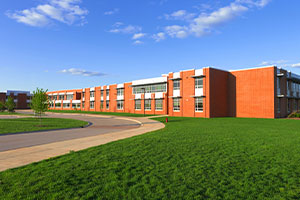
Ashland Addiction Counseling is known for dedicating its addiction services to the individuals who struggle with alcohol and drug use issues in the local community.
Programs are provided on an individualized basis to make sure clients find full recovery in the long term. Ashland Addiction Counseling has also specialized in motivational interviewing, behavior modification, group therapy, activity therapy, substance abuse counseling approach, 12-step facilitation approach, and others - as well as many other treatment methods such as transgender or (LGBT) clients, clients referred from the court/judicial system, programs for the hearing impaired, social skills development, suicide prevention services, housing services, and more.
Additionally, Ashland Addiction Counseling has programs such as short term treatment centers, inpatient drug addiction treatment, inpatient detoxification facilities, intensive outpatient treatment, long term treatment facilities for clients with addictions to alcohol and drugs. The substance abuse treatment center uses treatment methods that can provide permanent stability to anyone with a drug and alcohol abuse problem. Finally, Ashland Addiction Counseling accepts individuals with different types of payment methods - including private health insurance, cash or self-payment, medicaid, medicare, sliding fee scale, state corrections or juvenile justice funds, state welfare or child and family services funds and others.

Clinical Outcomes Group Inc is 9.1 miles from Ashland, Pennsylvania
Yes, research indicates that genetic factors can play a significant role in an individual's susceptibility to drug and alcohol addiction, although they are only part of the picture. It's estimated that genetics account for approximately 40-60% of a person's vulnerability to addiction, with the remaining risk coming from environmental and psychological factors.
Here's a closer look at the role of genetics in substance use disorders:
Genetic Predisposition: Certain genetic variations can influence how an individual reacts to drugs or alcohol. For example, some people might experience a more intense "high," or they might not get unpleasant side effects that deter others from continued use. These genetic differences can increase the likelihood of repeated use and, ultimately, addiction.
Co-occurring Disorders: Genetic factors can also contribute to mental health disorders such as depression, anxiety, or bipolar disorder. Individuals with these conditions are often at a higher risk for substance abuse and addiction, creating a potential link between genetic predisposition to these mental health conditions and increased risk for addiction.
Family History: A family history of addiction can indicate a possible genetic predisposition. If close relatives, such as parents or siblings, have struggled with addiction, an individual may be more likely to develop a substance use disorder. However, a family history of addiction also often comes with certain environmental factors that can increase risk, such as exposure to substance use at a young age or a lack of stable, supportive family structures.
Epigenetics: Epigenetics, or changes in gene expression due to experiences and environment, can also play a role in addiction. For instance, exposure to high levels of stress or trauma can cause changes in the way genes function, potentially increasing susceptibility to addiction.
However, it's essential to understand that while genetics can increase the risk for addiction, they do not determine destiny. Environmental factors such as exposure to drugs, family environment, peer influences, and individual resilience can heavily influence whether a person with a genetic predisposition will develop a substance use disorder. Furthermore, effective prevention and treatment strategies can help individuals at risk for or struggling with addiction to lead healthy, fulfilling lives.
"Yes, it is possible to successfully receive treatment for alcohol addiction on an outpatient basis. Outpatient treatment programs can be an effective and flexible option for individuals who cannot commit to inpatient or residential programs due to work, family, or other responsibilities. However, the success of outpatient treatment largely depends on the individual's motivation, support system, and the severity of their addiction. While outpatient treatment can be successful for many individuals, it may not be suitable for everyone. Those with severe alcohol addiction, a history of relapse, or co-occurring mental health disorders may require more intensive inpatient or residential treatment to ensure their safety and promote lasting recovery.
Ultimately, the success of outpatient treatment for alcohol addiction depends on the individual's commitment, the support of their family and friends, and the quality of the treatment program. It is essential to choose a reputable and evidence-based outpatient program and to be fully engaged in the recovery process for the best possible outcome."
"Drug rehabilitation, also known as drug rehab, is a comprehensive process aimed at helping individuals overcome substance use disorders and achieve long-term recovery. The process of drug rehabilitation typically involves several stages and components, which may vary depending on the individual's unique needs, the type of addiction, and the chosen treatment facility. The following is an overview of the general process of drug rehabilitation:
Assessment and evaluation: The first step in drug rehab is a thorough assessment and evaluation of the individual's physical, psychological, and social circumstances. This information helps healthcare professionals determine the severity of the addiction, identify any co-occurring mental health disorders, and develop a personalized treatment plan tailored to the individual's needs.
Detoxification: Detoxification, or detox, is the process of clearing drugs and toxins from the body. Depending on the substance and severity of the addiction, detox may be medically supervised to manage withdrawal symptoms safely and alleviate discomfort. In some cases, medications may be prescribed to ease withdrawal symptoms and prevent complications.
Therapy and counseling: Once the individual is stabilized, they will participate in various forms of therapy and counseling to address the psychological and emotional aspects of addiction. These may include individual, group, or family therapy sessions, and utilize evidence-based approaches such as Cognitive Behavioral Therapy (CBT), Dialectical Behavior Therapy (DBT), or Motivational Interviewing (MI) to help individuals understand the underlying factors contributing to their addiction and develop healthy coping strategies.
Medication management: In some cases, medications may be used during the rehabilitation process to manage withdrawal symptoms, reduce cravings, or treat co-occurring mental health disorders. Medication-Assisted Treatment (MAT) is an example of this, which combines medications with counseling and behavioral therapies to treat opioid or alcohol addiction.
Education and life skills training: Drug rehabilitation programs often include educational sessions and life skills training to help individuals understand the nature of addiction and develop essential skills for maintaining sobriety, such as stress management, communication, and decision-making.
Peer support and group therapy: Engaging in peer support groups, such as Alcoholics Anonymous (AA) or Narcotics Anonymous (NA), can provide valuable encouragement, understanding, and accountability during the recovery process. These groups often play a significant role in helping individuals maintain long-term sobriety.
Aftercare planning and follow-up: As the individual approaches the end of their rehabilitation program, a comprehensive aftercare plan is developed to support their transition back into daily life and prevent relapse. This plan may include ongoing therapy, support group meetings, sober living arrangements, or other resources to help maintain recovery.
Continuous support: Recovery from addiction is a lifelong process that requires ongoing effort and support. Maintaining connections with support groups, therapists, and other individuals in recovery can be crucial in sustaining long-term sobriety and managing potential relapses."
National Non Profit Helpline - 1-877-882-9275
Our National Non Profit Helpline is a 24/7, 365-day-a-year treatment referral and information service for individuals and families faced with mental and/or substance use disorders.
All calls are strictly confidential
Our service provides referrals to licensed treatment facilities, support groups, and community-based organizations. You don't have to struggle alone with addiction. Help is just a phone call away. Call 1-877-882-9275 now to get the help you need and deserve.



© Copyright 1998 - 2022 All Rights Reserved. Content is protected under copyright laws, do not use content without written permission.
