
2 North Water Street
Sapulpa, OK. 74066
918-224-0225
Sapulpa, OK has nearby choices for addiction treatment including: 5 low cost programs, 1 inpatient rehab, 3 drug rehabs that take PPO insurance like Cigna, 1 detox center, 3 outpatient treatment programs.

For help finding an addiction treatment center, Call us!
All calls are 100% confidential and free
1-877-882-9275



Creek Nation Behavioral Health and provides addiction treatment and rehab services such as outpatient hospital programs, long term addiction treatment centers, inpatient detox centers, inpatient rehab centers, short term addiction treatment facilities, and others to people living in Sapulpa, Oklahoma and its surrounding areas so that they conquer their alcohol and drug use issues and find full recovery. It has services - such as relapse prevention, anger management, trauma therapy, trauma-related counseling, dialectical behavior therapy, individual psychotherapy, and others - which follow its philosophy of the programs that work most effectively. This is because Creek Nation Behavioral Health and believes that complete sobriety can only be achieved through highly individualized and personalized care.
Further, the alcohol and drug rehab specializes in many other programs - like persons with eating disorders, legal advocacy, self-help groups, clients referred from the court/judicial system, veterans, clients with HIV/AIDS and more - as well as many other treatment methods listed below. Further, this drug and alcohol rehab center has aftercare programs that work in line with its treatment modalities to ensure that individuals achieve permanent, full, and lasting abstinence and sobriety from alcohol and drugs.
Lastly, Creek Nation Behavioral Health and accepts private pay, private insurance, medicaid, medicare, military insurance, state education funds, state corrections or juvenile justice funds, and more.

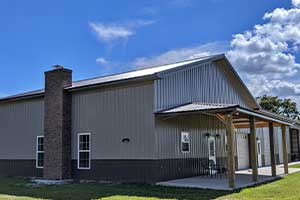
Tulsa Boys Home is 9 miles from Sapulpa, OK
Tulsa Boys Home provides addiction treatment and rehab services such as outpatient individual counseling, long term addiction treatment centers, detoxification facilities, inpatient addiction treatment centers, short term drug and alcohol rehab facilities, and others to people residing in Sapulpa, Oklahoma and its surrounding areas so that they conquer their alcohol and drug use issues and achieve full recovery. It has services - such as relapse prevention, anger management, trauma therapy, trauma-related counseling, dialectical behavior therapy, individual psychotherapy, and others - which follow its philosophy of the programs that work most effectively. This is because Tulsa Boys Home believes that full sobriety can only be achieved through highly individualized care.
In addition, the drug and alcohol rehab specializes in many other programs - like persons with eating disorders, legal advocacy, self-help groups, clients referred from the court/judicial system, veterans, clients with HIV/AIDS and more - as well as many other treatment methods that you can find listed below. Further, this alcohol and drug treatment facility has aftercare programs that work in line with its treatment modalities to make sure that clients achieve and maintain full, lasting, and permanent abstinence and sobriety from alcohol and drugs.
Lastly, Tulsa Boys Home accepts private pay, private insurance, medicaid, medicare, military insurance, state education funds, state corrections or juvenile justice funds, and more.


Counseling and Recovery Servs of OK is 10.7 miles from Sapulpa, Oklahoma
Counseling and Recovery Servs of OK provides recovery care and rehab services such as outpatient substance abuse treatment services, long term addiction treatment centers, detoxification centers, inpatient treatment programs, short term addiction treatment programs, and others to people residing in Sapulpa, Oklahoma and its surrounding areas so that they overcome their drug and alcohol abuse disorders and find full sobriety. It has services - such as relapse prevention, anger management, trauma therapy, trauma-related counseling, dialectical behavior therapy, individual psychotherapy, and others - which follow its philosophy of the programs that work most effectively. This is because Counseling and Recovery Servs of OK knows that full recovery can only be achieved through highly individualized care.
Further, the addiction treatment center specializes in many other programs - like persons with eating disorders, legal advocacy, self-help groups, clients referred from the court/judicial system, veterans, clients with HIV/AIDS and more - as well as many other treatment modalities that you can find listed below. Further, this addiction treatment facility has aftercare programs that work in line with its treatment methods to make sure that clients achieve full, lasting, and permanent abstinence and sobriety from drugs and alcohol.
Lastly, Counseling and Recovery Servs of OK accepts cash or self-payment, private medical insurance, medicaid, medicare, military insurance, state education funds, state corrections or juvenile justice funds, and more.
Physical appearance: Meth use can lead to drastic changes in physical appearance, such as rapid weight loss, poor dental hygiene (often called "meth mouth"), skin sores from excessive picking, and premature aging.
Sleep disturbances: Meth is a potent stimulant, causing users to experience insomnia or erratic sleep patterns. They may stay awake for extended periods, followed by crashing for long hours to recover.
Increased energy and hyperactivity: Meth use can cause a surge in energy, leading to hyperactivity, rapid speech, and fidgeting. The person may engage in repetitive or obsessive behaviors, such as cleaning or disassembling objects.
Paranoia and hallucinations: Meth can induce feelings of paranoia, suspicion, and even auditory or visual hallucinations. The person may become increasingly mistrustful of others and exhibit irrational or delusional beliefs.
Aggression and mood swings: Meth addiction can lead to unpredictable mood swings, including irritability, aggression, anxiety, or depression. The person may become easily agitated or display violent tendencies.
Impaired cognitive function: Chronic meth use can cause difficulties with memory, concentration, and decision-making. The person may struggle to maintain focus or display confusion and disorientation.
Social isolation: Meth addiction can lead to social withdrawal, as the person prioritizes their drug use over personal relationships and activities they once enjoyed.
Risk-taking behaviors: Meth use can impair judgment, leading to increased risk-taking behaviors such as unsafe sexual practices, criminal activities, or driving under the influence.
Neglect of responsibilities: Meth addiction can cause a person to neglect personal, professional, or family obligations, resulting in job loss, financial difficulties, or relationship problems.
Tolerance and withdrawal: Over time, meth users may develop a tolerance to the drug, requiring higher doses or more frequent use to achieve the desired effects. If the person stops using meth, they may experience withdrawal symptoms such as fatigue, depression, anxiety, and intense cravings for the drug.
Pain relief: Fentanyl's primary medical use is for pain relief, as it binds to opioid receptors in the brain and spinal cord to reduce the perception of pain and increase pain tolerance.
Euphoria: Like other opioids, fentanyl can produce feelings of euphoria by increasing the release of neurotransmitters such as dopamine in the brain, which can contribute to its potential for abuse and addiction.
Sedation: Fentanyl can cause drowsiness, sedation, and a general feeling of relaxation. In medical settings, this effect is often desirable, but it can be dangerous if the drug is taken recreationally or without proper supervision.
Respiratory depression: One of the most severe side effects of fentanyl is respiratory depression, which is a slowing of the breathing rate. This can lead to a lack of oxygen, resulting in brain damage, coma, or death, especially if taken in high doses or combined with other substances that suppress breathing.
Nausea and vomiting: Fentanyl can cause gastrointestinal side effects, such as nausea and vomiting, which are common among opioid users.
Constipation: Opioids like fentanyl can slow down the movement of food through the digestive tract, resulting in constipation.
Itching: Fentanyl and other opioids can cause histamine release, leading to itching or skin irritation in some users.
Dependence and addiction: Due to its potency, fentanyl has a high potential for dependence and addiction. Prolonged use can lead to physical dependence, withdrawal symptoms, and psychological addiction, making it challenging to stop using the drug.
Overdose: Fentanyl's potency increases the risk of overdose, which can be life-threatening. Symptoms of fentanyl overdose include extreme drowsiness, difficulty breathing, slow heart rate, low blood pressure, and unconsciousness. Naloxone, an opioid antagonist, can be administered to reverse the effects of a fentanyl overdose, but multiple doses may be required due to fentanyl's potency.
"Drug rehabilitation, also known as drug rehab, is a comprehensive process aimed at helping individuals overcome substance use disorders and achieve long-term recovery. The process of drug rehabilitation typically involves several stages and components, which may vary depending on the individual's unique needs, the type of addiction, and the chosen treatment facility. The following is an overview of the general process of drug rehabilitation:
Assessment and evaluation: The first step in drug rehab is a thorough assessment and evaluation of the individual's physical, psychological, and social circumstances. This information helps healthcare professionals determine the severity of the addiction, identify any co-occurring mental health disorders, and develop a personalized treatment plan tailored to the individual's needs.
Detoxification: Detoxification, or detox, is the process of clearing drugs and toxins from the body. Depending on the substance and severity of the addiction, detox may be medically supervised to manage withdrawal symptoms safely and alleviate discomfort. In some cases, medications may be prescribed to ease withdrawal symptoms and prevent complications.
Therapy and counseling: Once the individual is stabilized, they will participate in various forms of therapy and counseling to address the psychological and emotional aspects of addiction. These may include individual, group, or family therapy sessions, and utilize evidence-based approaches such as Cognitive Behavioral Therapy (CBT), Dialectical Behavior Therapy (DBT), or Motivational Interviewing (MI) to help individuals understand the underlying factors contributing to their addiction and develop healthy coping strategies.
Medication management: In some cases, medications may be used during the rehabilitation process to manage withdrawal symptoms, reduce cravings, or treat co-occurring mental health disorders. Medication-Assisted Treatment (MAT) is an example of this, which combines medications with counseling and behavioral therapies to treat opioid or alcohol addiction.
Education and life skills training: Drug rehabilitation programs often include educational sessions and life skills training to help individuals understand the nature of addiction and develop essential skills for maintaining sobriety, such as stress management, communication, and decision-making.
Peer support and group therapy: Engaging in peer support groups, such as Alcoholics Anonymous (AA) or Narcotics Anonymous (NA), can provide valuable encouragement, understanding, and accountability during the recovery process. These groups often play a significant role in helping individuals maintain long-term sobriety.
Aftercare planning and follow-up: As the individual approaches the end of their rehabilitation program, a comprehensive aftercare plan is developed to support their transition back into daily life and prevent relapse. This plan may include ongoing therapy, support group meetings, sober living arrangements, or other resources to help maintain recovery.
Continuous support: Recovery from addiction is a lifelong process that requires ongoing effort and support. Maintaining connections with support groups, therapists, and other individuals in recovery can be crucial in sustaining long-term sobriety and managing potential relapses."
National Non Profit Helpline - 1-877-882-9275
Our National Non Profit Helpline is a 24/7, 365-day-a-year treatment referral and information service for individuals and families faced with mental and/or substance use disorders.
All calls are strictly confidential
Our service provides referrals to licensed treatment facilities, support groups, and community-based organizations. You don't have to struggle alone with addiction. Help is just a phone call away. Call 1-877-882-9275 now to get the help you need and deserve.



© Copyright 1998 - 2022 All Rights Reserved. Content is protected under copyright laws, do not use content without written permission.
