Alcohol and Drug Rehab Centers in Henryetta, Oklahoma
Henryetta, OK has several nearby treatment choices including: 3 medicaid treatment centers, 1 inpatient treatment center, 3 drug rehabs that take PPO insurance like BCBS, 0 detox center, 3 outpatient treatment programs.
Get Help - Find a Rehab Center Today
Popular Searches for Drug and Alcohol Rehab in Henryetta, Oklahoma:
Skip To Rehab Listing
Drug and Alcohol Rehabilitation Facility Settings and Approaches
Numerous addictive drugs are readily attainable within the Henryetta area, like: marijuana, alcohol, cocaine, and heroin.
The reasons that individuals begin abusing addictive drugs varies. Often, what those who get addicted to alcohol and drugs have in common is an inability to overcome their dependence upon these substances without the help of a professional.
For these individuals, Henryetta provides several various programs so clients can search out one in a convenient location such as: long term drug rehab facilities, inpatient drug rehab programs, outpatient substance abuse treatment services, short term rehab programs, detoxification facilities.
These rehab programs use a variety of methods, ranging from traditional approaches to recently developed methods, to offer clients with an effective evidence-based path to sustained sobriety. These methods may include: anger management, motivational interviewing, vocational rehabilitation services, behavior modification, cognitive/behavior therapy, matrix model.
Special Programs for Substance Abuse Recovery
Since alcohol and drug addiction affects each person in a different way, local rehab programs provide unique resources including suicide prevention services, transgender or (LGBT) clients, substance abuse education, child care for clients children, seniors or older adults, programs for the hearing impaired to help meet a client's rehabilitation to their unique needs.
People facing alcohol and drug use can receive guidance in picking the correct treatment for their needs by getting in touch with any of the area's treatment programs.
Addiction Treatment Program Payment Alternatives
Funding should not be a hurdle to treatment for people struggling with drug and alcohol abuse. That is the reason local rehab programs offer multiple payment options, like cash or self-payment, private medical insurance, sliding fee scale, military insurance, state education funds, state corrections or juvenile justice funds, to assist patients' particular economic situation.
Those who need drug and alcohol treatment can find a facility, rehab, resource, and payment option within the Henryetta region that will guide them to overcome their drug and alcohol addiction and go back to the life they want to lead.
Dr. Gina M Jansheski, M.D.

Dr. Po-Chang Hsu, M.D., M.S.

Renee Warmbrodt, RN, MSN, CPNP-PC

Alcohol and Drug Rehab Facilities Serving the Henryetta, Oklahoma Area:
 316 West Main Street
Henryetta, OK. 74437
918-650-9292
Tiger Mountain Recovery Inc has been providing addiction rehab to people who live in Henryetta and who are fighting with drug and alcohol abuse disorders. As such, Tiger Mountain Recovery Inc provides a array of services such as anger management, motivational interviewing, vocational rehabilitation services, behavior modification, cognitive/behavior therapy, matrix model and others applying its unique philosophy of evidence based approaches to addiction treatment.
This rehab program also thinks that each client benefits most from individualized services. To this end, it has been specializing in a wide range of personalized treatments like suicide prevention services, transgender or (LGBT) clients, substance abuse education, child care for clients children, seniors or older adults, programs for the hearing impaired and more. In the same way, this alcohol and drug rehab facility offers these services in the following settings - long term drug and alcohol rehab facilities, inpatient drug and alcohol rehabs, outpatient counseling, short term drug treatment, outpatient detox facilities and more.
It also has aftercare programs designed to replicate its treatment methods in the creation of a level of stability, abstinence, and sobriety that is permanent and lasting. Lastly, Tiger Mountain Recovery Inc accepts these forms of payment - including cash or self-payment, private health insurance, sliding fee scale, military insurance, state education funds, state corrections or juvenile justice funds and others.
Muscogee Creek Nation Behav Hlth
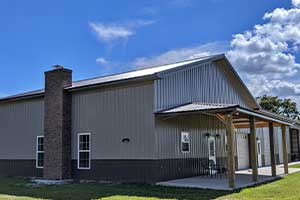 500 Eunice Burns
Eufaula, OK. 74432
918-490-7030
Muscogee Creek Nation Behav Hlth is 20 miles from Henryetta, Oklahoma
Muscogee Creek Nation Behav Hlth has been providing recovery rehabilitation to individuals who live in and around Henryetta, Oklahoma and who are battling with drug and alcohol use disorders. As such, Muscogee Creek Nation Behav Hlth provides a wide range of services such as anger management, motivational interviewing, vocational rehabilitation services, behavior modification, cognitive/behavior therapy, matrix model and others using its unique approaches to addiction recovery and treatment.
This rehab program also thinks that each client benefits most from individualized services. To this end, it has been specializing in a wide collection of personalized treatments like suicide prevention services, transgender or (LGBT) clients, substance abuse education, child care for clients children, seniors or older adults, programs for the hearing impaired and more. In the same way, this alcohol and drug rehab center offers these treatments in the following settings - long term drug and alcohol rehab programs, inpatient drug addiction treatment, outpatient substance abuse counseling, short term treatment centers, detoxification centers and more.
Muscogee Creek Nation Behav Hlth also ensures lasting sobriety and stability by promoting a robust aftercare program. Lastly, Muscogee Creek Nation Behav Hlth accepts these payment forms - including cash or self-payment, private health insurance, sliding fee scale, military insurance, state education funds, state corrections or juvenile justice funds and others.
Eufaula Healh and Wellness Center
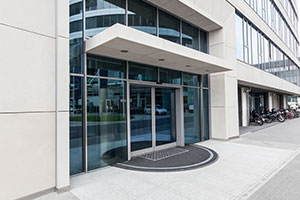 111 Forest Avenue
Eufaula, OK. 74432
918-689-3333
Eufaula Healh and Wellness Center is 21.2 miles from Henryetta, Oklahoma
Eufaula Healh and Wellness Center has been providing addiction rehab to individuals who live in and around Henryetta, OK. and who are fighting with substance use issues. As such, Eufaula Healh and Wellness Center provides a variety of services such as anger management, motivational interviewing, vocational rehabilitation services, behavior modification, cognitive/behavior therapy, matrix model and others using its unique philosophy of evidence based approaches to addiction recovery and treatment.
This treatment program also thinks that the best results for clients are gotten from individualized services. Because of this, it has been specializing in a wide array of personalized treatments like suicide prevention services, transgender or (LGBT) clients, substance abuse education, child care for clients children, seniors or older adults, programs for the hearing impaired and more. In the same way, this addiction treatment facility offers these services in the following settings - long term drug rehab facilities, inpatient treatment facilities, outpatient counseling, short term drug treatment, outpatient detox facilities and more.
Eufaula Healh and Wellness Center also ensures lasting sobriety and stability by promoting a robust aftercare program. Lastly, Eufaula Healh and Wellness Center accepts these payment forms - including cash or self-payment, private health insurance, sliding fee scale, military insurance, state education funds, state corrections or juvenile justice funds and others.
Creek Nation Behavioral Health
 1800 East Coplin Street
Okemah, OK. 74859
918-623-3010
Creek Nation Behavioral Health is 22.8 miles from Henryetta, Oklahoma
Creek Nation Behavioral Health has been providing recovery rehabilitation to individuals who live in and around Henryetta and who are fighting with substance abuse disorders. As such, Creek Nation Behavioral Health provides a wide variety of services such as anger management, motivational interviewing, vocational rehabilitation services, behavior modification, cognitive/behavior therapy, matrix model and others using its unique philosophy of evidence based approaches to addiction recovery and treatment.
This center also believes that the best results for clients are gotten from individualized services. Because of this, it has been specializing in a wide range of personalized treatments like suicide prevention services, transgender or (LGBT) clients, substance abuse education, child care for clients children, seniors or older adults, programs for the hearing impaired and more. In the same way, this alcohol and drug rehab program provides these treatments in the following settings - long term drug and alcohol rehab centers, inpatient rehab facilities, intensive outpatient treatment, short term rehab programs, outpatient detoxification programs and more.
Creek Nation Behavioral Health also ensures lasting sobriety and stability by promoting a robust aftercare program. Lastly, Creek Nation Behavioral Health accepts these payment forms - including private pay, private medical insurance, sliding fee scale, military insurance, state education funds, state corrections or juvenile justice funds and others.
Find Drug and Alcohol Treatment Centers in or around the following Oklahoma cities:
Top Cities For Recovery:
Commonly Asked Questions about Addiction and Treatment
What is a typical day like in an inpatient drug rehab?
Inpatient drug rehab provides a structured environment for individuals recovering from substance use disorders. The specific details of a typical day can vary between facilities, but most will follow a general schedule that includes therapeutic activities, meals, free time, and sleep. Here's a rough outline of what a day in an inpatient rehab might look like:
Morning:
- Wake Up: Residents typically wake up early to start their day. Some facilities may offer morning activities like yoga or meditation to help residents start their day in a calm and mindful way.
- Breakfast: A healthy meal is provided to start the day. This is also a time for social interaction with other residents.
- Group Therapy or Counseling: After breakfast, residents often participate in a group therapy session. This could be a general therapy session or a specific type of therapy such as Cognitive Behavioral Therapy (CBT) or Dialectical Behavior Therapy (DBT).
Afternoon:
- Lunch: After morning therapy sessions, residents will have lunch, often followed by a short break.
- Therapies: The afternoon is typically filled with various therapeutic activities. These could include individual counseling, specialized therapies (like art or music therapy), or educational sessions about addiction and recovery.
Evening:
- Dinner: In the evening, residents will have dinner, which, like all meals in rehab, is typically designed to promote overall health and wellness.
- Evening Group Session: Many rehab centers host an evening group session, which might be a support group, a 12-step meeting, or another form of group therapy.
- Free Time: After the day's structured activities, residents usually have some free time. They might use this time to relax, read, journal, or socialize with other residents.
- Bedtime: To ensure adequate rest, lights-out times are typically enforced.
Throughout the day, residents may also have scheduled times for medication (if applicable), physical exercise, and meeting with their treatment team. The goal of this structured daily routine is to provide a stable, supportive environment that promotes healing and recovery.
It's important to note that the exact schedule and types of activities will vary between different rehab centers and individual treatment plans. When choosing a rehab center, it can be helpful to ask about the daily schedule and types of therapies offered to ensure it aligns with your needs and preferences.
What are the symptoms of opioid addiction?
Opioid addiction is a chronic condition characterized by compulsive use of opioids despite harmful consequences. Recognizing the symptoms of opioid addiction can help in providing timely intervention and support for the affected individual. Some common symptoms of opioid addiction include:
- Physical symptoms: Opioid addiction can cause various physical symptoms, such as constricted pupils, drowsiness, slowed breathing, constipation, and itching. The person may also exhibit signs of intoxication, like slurred speech and impaired coordination.
- Behavioral changes: Opioid addiction can lead to changes in behavior, such as increased secrecy, social withdrawal, mood swings, and unexplained absences. The person may neglect personal hygiene, appearance, or responsibilities in favor of obtaining and using opioids.
- Tolerance and withdrawal: Over time, individuals with opioid addiction may develop a tolerance, requiring higher doses or more frequent use to achieve the desired effects. If the person stops using opioids, they may experience withdrawal symptoms, such as restlessness, muscle and bone pain, insomnia, diarrhea, vomiting, and cold flashes with goosebumps.
- Loss of control: A key symptom of opioid addiction is the inability to control opioid use, even when the person wants to stop. They may spend an excessive amount of time and resources obtaining, using, or recovering from the effects of opioids.
- Continued use despite negative consequences: Individuals with opioid addiction often continue using opioids despite experiencing negative consequences, such as health problems, relationship issues, financial difficulties, or legal troubles.
- Preoccupation with opioids: Opioid addiction can lead to a preoccupation with the drug, resulting in the person prioritizing opioid use over other aspects of their life, including personal relationships, work, or hobbies.
- Risk-taking behaviors: Opioid addiction can lead to increased risk-taking behaviors, such as using opioids in dangerous situations, sharing needles, or engaging in criminal activities to obtain the drug.
- Neglecting relationships: Opioid addiction can strain personal relationships, as the person may prioritize their opioid use over their connections with friends and family.
- Changes in sleep patterns: Opioid use can disrupt sleep patterns, causing the person to experience insomnia or excessive sleepiness.
- Cravings: Individuals with opioid addiction may experience strong cravings for opioids, often leading to compulsive drug-seeking behaviors.
How can I tell if my loved one is using fentanyl?
Physical symptoms: Some common physical symptoms of fentanyl use include drowsiness, constricted pupils, slurred speech, shallow or slow breathing, and decreased coordination. You may also notice itching, flushed skin, or sweating.
Behavioral changes: Fentanyl use can result in changes in behavior, such as increased secrecy, social withdrawal, or unexplained absences. You may notice a shift in mood or energy levels, as well as a decline in personal hygiene or appearance.
Sleep patterns: Fentanyl can cause sedation and changes in sleep patterns. If your loved one is sleeping more than usual, experiencing difficulty waking up, or nodding off at inappropriate times, it may be a sign of fentanyl use.
Gastrointestinal issues: Fentanyl, like other opioids, can cause gastrointestinal side effects such as constipation, nausea, and vomiting. If your loved one is experiencing these issues without an apparent cause, it may be a sign of fentanyl use.
Paraphernalia: Finding drug paraphernalia, such as syringes, small plastic bags, or spoons with burn marks, may indicate fentanyl use. Fentanyl is often sold as a powder or in counterfeit pills, so be alert for unfamiliar pills or powders in your loved one's possession.
Unexplained financial problems: Fentanyl use can result in financial difficulties due to the cost of obtaining the drug. If your loved one is experiencing unexplained financial issues or frequently requesting money, it could be a sign of fentanyl use.
Changes in social circles: A shift in your loved one's social circle or a sudden disinterest in activities they once enjoyed may indicate fentanyl use, as they may be prioritizing drug use over other aspects of their life.
National Non Profit Helpline - 1-877-882-9275
Our National Non Profit Helpline is a 24/7, 365-day-a-year treatment referral and information service for individuals and families faced with mental and/or substance use disorders.
All calls are strictly confidential
Our service provides referrals to licensed treatment facilities, support groups, and community-based organizations. You don't have to struggle alone with addiction. Help is just a phone call away. Call 1-877-882-9275 now to get the help you need and deserve.
1-877-882-9275





