Drug and Alcohol Rehab Programs in Shiprock, NM
Shiprock, NM has several nearby treatment choices including: 3 medicaid programs, 2 inpatient drug rehabs, 2 drug rehabs that take private insurance like Aetna, 0 drug and alcohol detox, 4 outpatient treatment programs.
Get Help - Find a Rehab Center Today
Popular Searches for Drug and Alcohol Rehab in Shiprock, New Mexico:
Skip To Rehab Listing
Treatment Facility Settings and Treatment Modalities
Shiprock's many rehab programs, a few of which are listed below, handle a problem that is widespread in cities in every part of the United States: drug and alcohol abuse. These facilities combat this problem locally by offering locations and provisions that are suitable for patients within the area. These settings include: outpatient substance abuse treatment services, long term addiction treatment centers, outpatient detox programs, short term treatment facilities, inpatient drug and alcohol rehab centers.
Alcohol and drug rehab centers adopt several approaches, ranging from traditional methods to recently developed techniques such as: anger management, 12-step facilitation approach, brief intervention approach, group therapy, dialectical behavior therapy, couple/family therapy. The result is a variety of resources that clear the path to attainable lasting sobriety for numerous patients.
Special Programs for Addiction Offered by Treatment Centers
Those struggling with substance abuse often need customized assistance to get their lives back. That is why addiction treatment programs in Shiprock provide specialized services that help patients within their individual situations. Some of these resources are included here: clients with HIV/AIDS, seniors or older adults, treatment for spanish-speaking clients, persons who have experienced sexual abuse, transgender or (LGBT) clients, child care for clients children.
Rehab Payment Options in Shiprock, New Mexico
Patients face varied economic circumstances, which is why substance abuse rehab facilities offer several payment choices, including: private pay, private health insurance, military insurance, payment assistance, state welfare or child and family services funds, state corrections or juvenile justice funds.
Funding should not have to be an obstacle to substance abuse rehab. Treatment programs direct patients toward the payment options that support their personal economic concerns.
With a variety of centers, rehabs, resources, modalities and payment alternatives, Shiprock provides patients multiple choices when it comes to seeking treatment from addiction.
Dr. Gina M Jansheski, M.D.

Dr. Po-Chang Hsu, M.D., M.S.

Renee Warmbrodt, RN, MSN, CPNP-PC

Addiction Treatment Facilities Serving the Shiprock, New Mexico Area:
 North 491 Highway
Shiprock, NM. 87420
505-368-1050 x1438
Navajo Regional has been offering addiction care and rehab services to the residents of Shiprock, New Mexico and those living within the surrounding communities. Today, Navajo Regional offers services like anger management, 12-step facilitation approach, brief intervention approach, group therapy, dialectical behavior therapy, couple/family therapy and others in line with its philosophy of following rehabilitation treatments that work best to help clients achieve sobriety.
This addiction treatment program also thinks that the way to get the best result for the client is to offer individual care. Services are available in the following settings - outpatient substance abuse counseling, long term drug and alcohol rehab centers, outpatient detoxification facilities, short term drug and alcohol rehab facilities, inpatient drug abuse treatment and others.
Navajo Regional also offers aftercare programs to ensure that its clients achieve positive outcomes both in the short and in the long term. Lastly, Navajo Regional accepts private pay, private insurance, military insurance, payment assistance, state welfare or child and family services funds, state corrections or juvenile justice funds and others as payment forms.
Ute Mountain Counseling and Treatment
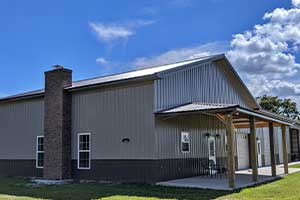 322 Spruce Street
Towaoc, CO. 81334
970-564-5701
Ute Mountain Counseling and Treatment is 32.4 miles from Shiprock, NM
Ute Mountain Counseling and Treatment has been offering ongoing recovery care and rehabilitation services to the residents of Shiprock, New Mexico and those living within the surrounding communities. Today, Ute Mountain Counseling and Treatment provides services like anger management, 12-step facilitation approach, brief intervention approach, group therapy, dialectical behavior therapy, couple/family therapy and others in line with its philosophy of following rehabilitation treatments that work best to help clients achieve recovery.
This substance abuse treatment facility also believes the best form of treatment to ensure success is to offer individualized care. Services are available in the following settings - intensive outpatient treatment, long term rehab programs, detox programs, short term rehab facilities, inpatient treatment centers and others.
For long term abstinence, sobriety and full recovery Ute Mountain Counseling and Treatment offers an aftercare program. Lastly, Ute Mountain Counseling and Treatment accepts private pay, private health insurance, military insurance, payment assistance, state welfare or child and family services funds, state corrections or juvenile justice funds and others as payment forms.
Four Winds Recovery Center Inc
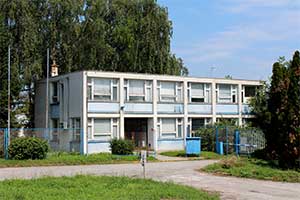 1313 Mission Avenue
Farmington, NM. 87499
505-327-7218
Four Winds Recovery Center Inc is 33.7 miles from Shiprock, New Mexico
Four Winds Recovery Center Inc has been offering addiction care and rehab services to the residents of Shiprock, New Mexico and those living within the surrounding communities. Today, Four Winds Recovery Center Inc provides services like anger management, 12-step facilitation approach, brief intervention approach, group therapy, dialectical behavior therapy, couple/family therapy and others in keeping with its belief of following rehabilitation treatments that work best to help addicts achieve recovery.
This addiction treatment center also believes the best form of treatment to ensure success is to offer individualized care. Services are available in the following settings - outpatient hospital programs, long term drug rehab centers, inpatient detox centers, short term addiction treatment facilities, inpatient rehab programs and others.
It also believes that an aftercare program is integral in promoting recovery in the long term. Lastly, Four Winds Recovery Center Inc accepts private pay, private insurance, military insurance, payment assistance, state welfare or child and family services funds, state corrections or juvenile justice funds and others as payment forms.
Cottonwood Clinical Service Inc
 653 West Arrington Street
Farmington, NM. 87401
505-564-3733
Cottonwood Clinical Service Inc is 34.5 miles from Shiprock, New Mexico
Cottonwood Clinical Service Inc has been providing recovery care and rehab services to people who live in the Shiprock, NM. area. Today, Cottonwood Clinical Service Inc provides services like anger management, 12-step facilitation approach, brief intervention approach, group therapy, dialectical behavior therapy, couple/family therapy and others in keeping with its philosophy of following rehabilitation treatments that work best to help clients achieve recovery.
This drug and alcohol treatment program also believes the best form of treatment to ensure success is to offer individualized care. Services are available in the following settings - outpatient substance abuse counseling, long term drug treatment, detox facilities, short term treatment programs, inpatient rehab programs and others.
It also believes that an aftercare program is integral in promoting recovery in the long term. Lastly, Cottonwood Clinical Service Inc accepts cash or self-payment, private health insurance, military insurance, payment assistance, state welfare or child and family services funds, state corrections or juvenile justice funds and others as forms of payment.
Find Drug and Alcohol Treatment Centers in or around the following New Mexico cities:
Top Cities For Recovery:
Commonly Asked Questions about Addiction and Treatment
What is a medical detox?
Medical detox, also known as medically supervised detoxification, is the process of safely managing the physical symptoms of withdrawal from substances like alcohol, opioids, or other drugs under the supervision of healthcare professionals. This process is typically the first step in a comprehensive treatment plan for substance use disorders.
The goal of medical detox is to minimize the physical harm caused by withdrawal and to alleviate discomfort. Here's what it typically involves:
Evaluation: This first step includes a thorough assessment of the individual's physical and mental health, as well as the extent and nature of their substance use. This information is used to design an appropriate and personalized detox and treatment plan.
Stabilization: During this phase, medical professionals administer treatment to manage withdrawal symptoms and ensure the patient's safety. This may involve the use of medications to ease symptoms and prevent complications. Medical staff monitor the patient's vital signs like heart rate, blood pressure, and temperature, and may provide nutritional support and hydration as needed.
Preparation for Further Treatment: Once the acute phase of detox is complete, the focus shifts to preparing the individual for further treatment, such as inpatient or outpatient rehab. This may involve counseling or therapy to help the individual understand the importance of continuing treatment to maintain long-term recovery.
Why do people abuse addictive substances?
People may abuse addictive substances for a variety of reasons, often involving a complex interplay of biological, psychological, and social factors. Here are some common reasons:
Biological Factors: Certain individuals may be genetically predisposed to addiction. This could involve inherited traits that affect the way substances interact with their brain or influence their susceptibility to mental health disorders, which can increase the risk of substance abuse.
Psychological Factors: Many people turn to addictive substances as a way to cope with mental health issues such as depression, anxiety, or post-traumatic stress disorder. Substance use may provide temporary relief from these conditions, though in the long term it often exacerbates them.
Social Factors: Peer pressure, especially among young people, can lead to substance abuse. If an individual is in an environment where drug or alcohol use is common, they may feel compelled to partake in order to fit in.
Environmental Factors: Stressful or traumatic environments can increase the risk of substance abuse. This can include living in poverty, experiencing abuse or neglect, or being exposed to violence.
Curiosity and Experimentation: Particularly among adolescents and young adults, the desire to try new experiences can lead to substance use.
Self-Medication: Some people use substances to self-medicate physical pain. For example, the opioid crisis has been fueled in part by individuals who initially used prescription opioids to manage pain and then developed an addiction.
Escapism: People may use substances to escape their reality, numb emotional pain, or simply to feel good. Addictive substances often provide a temporary sense of euphoria or relaxation, which can be enticing.
Co-occurring Disorders: Individuals with co-occurring mental health disorders are at a significantly higher risk of substance use disorders. This is because these individuals might use substances as a form of self-medication.
What are the symptoms of opioid addiction?
Opioid addiction is a chronic condition characterized by compulsive use of opioids despite harmful consequences. Recognizing the symptoms of opioid addiction can help in providing timely intervention and support for the affected individual. Some common symptoms of opioid addiction include:
- Physical symptoms: Opioid addiction can cause various physical symptoms, such as constricted pupils, drowsiness, slowed breathing, constipation, and itching. The person may also exhibit signs of intoxication, like slurred speech and impaired coordination.
- Behavioral changes: Opioid addiction can lead to changes in behavior, such as increased secrecy, social withdrawal, mood swings, and unexplained absences. The person may neglect personal hygiene, appearance, or responsibilities in favor of obtaining and using opioids.
- Tolerance and withdrawal: Over time, individuals with opioid addiction may develop a tolerance, requiring higher doses or more frequent use to achieve the desired effects. If the person stops using opioids, they may experience withdrawal symptoms, such as restlessness, muscle and bone pain, insomnia, diarrhea, vomiting, and cold flashes with goosebumps.
- Loss of control: A key symptom of opioid addiction is the inability to control opioid use, even when the person wants to stop. They may spend an excessive amount of time and resources obtaining, using, or recovering from the effects of opioids.
- Continued use despite negative consequences: Individuals with opioid addiction often continue using opioids despite experiencing negative consequences, such as health problems, relationship issues, financial difficulties, or legal troubles.
- Preoccupation with opioids: Opioid addiction can lead to a preoccupation with the drug, resulting in the person prioritizing opioid use over other aspects of their life, including personal relationships, work, or hobbies.
- Risk-taking behaviors: Opioid addiction can lead to increased risk-taking behaviors, such as using opioids in dangerous situations, sharing needles, or engaging in criminal activities to obtain the drug.
- Neglecting relationships: Opioid addiction can strain personal relationships, as the person may prioritize their opioid use over their connections with friends and family.
- Changes in sleep patterns: Opioid use can disrupt sleep patterns, causing the person to experience insomnia or excessive sleepiness.
- Cravings: Individuals with opioid addiction may experience strong cravings for opioids, often leading to compulsive drug-seeking behaviors.
National Non Profit Helpline - 1-877-882-9275
Our National Non Profit Helpline is a 24/7, 365-day-a-year treatment referral and information service for individuals and families faced with mental and/or substance use disorders.
All calls are strictly confidential
Our service provides referrals to licensed treatment facilities, support groups, and community-based organizations. You don't have to struggle alone with addiction. Help is just a phone call away. Call 1-877-882-9275 now to get the help you need and deserve.
1-877-882-9275





