Conway, NH Alcohol and Drug Rehabilitation Programs
Conway, NH has nearby choices for addiction treatment including: 3 medicaid programs, 1 inpatient treatment center, 4 drug rehabs that take PPO insurance like UnitedHealthCare, 1 detox center, 3 outpatient rehabs.
Get Help - Find a Rehab Center Today
Popular Searches for Drug and Alcohol Rehab in Conway, New Hampshire:
Skip To Rehab Listing
With addiction treatment easily available, people struggling with addiction can get support within their local area.
Addiction Recovery Facility Settings and Treatment Techniques In Conway, NH.
The settings of rehab facilities in Conway can include the following: outpatient counseling, inpatient addiction treatment facilities, detoxification facilities, short term drug and alcohol rehab facilities, long term addiction treatment programs.
Individuals looking for rehabilitation can find conveniently located facilities nearby with a variety of treatment techniques made for successful rehabilitation. These techniques, which contain both well-established and newer approaches, can consist of the following: cognitive/behavior therapy, trauma therapy, individual psychotherapy, dual diagnosis drug rehab, behavior modification, group therapy.
Programs Addressing Special Requirements for Drug and Alcohol Treatment
Substance abuse can differ based upon circumstances, such as the kind of substance causing the addiction. Many treatment programs in the Conway area deliver rehabs meant to tailor rehabilitation to a patient's unique needs. These programs include the following: persons with post-traumatic stress disorder, self-help groups, housing services, residential beds for client's children, persons with eating disorders, domestic violence.
Patients who are not sure what their needs are can get in touch with these centers for access to patient resources that can guide them toward the appropriate program.
Paying For Treatment - Payment & Financing Flexibility
People struggling with drug and alcohol dependency come from varied financial situations, but a range of payment alternatives makes rehabilitation economically accessible for anybody. Financing alternatives include the following: private medical insurance, cash or self-payment, military insurance, medicaid, medicare, access to recovery (atr) voucher, county or local government funds.
Individuals searching for rehab can get in touch with a rehabilitation center to learn more about what financing options are available to them.
Conway's drug and alcohol centers, services, and payment options give people who are struggling with substance abuse an opportunity to begin a sustainable recovery plan.
Dr. Gina M Jansheski, M.D.

Dr. Po-Chang Hsu, M.D., M.S.

Renee Warmbrodt, RN, MSN, CPNP-PC

Substance Abuse Treatment Facilities Serving the Conway, New Hampshire Area:
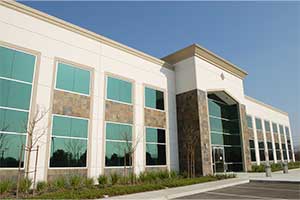 25 West Main Street
Conway, NH. 03818
603-447-2111
Northern Human Services is known for dedicating its addiction services to the people who struggle with substance use issues in Conway and within the surrounding neighborhoods.
Programs are provided on an individual basis to ensure people find full recovery in the long term. Northern Human Services also specializes in cognitive/behavior therapy, trauma therapy, individual psychotherapy, dual diagnosis drug rehab, behavior modification, group therapy, and others - as well as many other treatment methods such as persons with post-traumatic stress disorder, self-help groups, housing services, residential beds for client's children, persons with eating disorders, domestic violence, and more.
Additionally, Northern Human Services has programs such as outpatient substance abuse counseling, inpatient drug rehab centers, outpatient detoxification centers, short term addiction treatment centers, long term drug rehab centers for clients with addictions to alcohol and drugs. The alcohol and drug rehab center uses treatment methods that can provide permanent stability to any person with a substance use disorder. Finally, Northern Human Services accepts clients with different kinds of payment methods - including private insurance, cash or self-payment, military insurance, medicare, medicaid, access to recovery (atr) voucher, county or local government funds and others.
Blue Heron Neurofeedback and Counseling LLC
 3277 White Mountain Highway
North Conway, NH. 03860
603-356-6400
Blue Heron Neurofeedback and is 9.9 miles from Conway, New Hampshire
Blue Heron Neurofeedback and is known for dedicating its addiction services to the people who struggle with alcohol and drug use disorders in Conway, NH. and its surrounding areas.
Programs are provided on an individualized basis to make sure clients achieve full recovery in the long term. Blue Heron Neurofeedback and also specializes in cognitive/behavior therapy, trauma therapy, individual psychotherapy, dual diagnosis drug rehab, behavior modification, group therapy, and others - as well as other treatment methods such as persons with post-traumatic stress disorder, self-help groups, housing services, residential beds for client's children, persons with eating disorders, domestic violence, and more.
Additionally, Blue Heron Neurofeedback and has programs such as outpatient individual counseling, inpatient rehabs, inpatient detoxification programs, short term drug treatment, long term rehab facilities for clients with addictions to alcohol and drugs. The drug and alcohol rehab program uses treatment methods that can provide lasting and permanent stability to anyone with an alcohol and drug use disorder. Finally, Blue Heron Neurofeedback and accepts individuals with different types of payment methods - including private health insurance, cash or self-payment, military insurance, medicare, medicaid, access to recovery (atr) voucher, county or local government funds and others.
White Horse Recovery Inc
 68 Route 16-B
Center Ossipee, NH. 03814
603-651-1441
White Horse Recovery Inc is 15.5 miles from Conway, New Hampshire
White Horse Recovery Inc is known for dedicating its recovery services to the individuals who struggle with substance use issues in Conway and within the surrounding neighborhoods.
Services are offered on an individualized basis to make sure people achieve full recovery in the long term. White Horse Recovery Inc also specializes in cognitive/behavior therapy, trauma therapy, individual psychotherapy, dual diagnosis drug rehab, behavior modification, group therapy, and others - as well as other treatment modalities such as persons with post-traumatic stress disorder, self-help groups, housing services, residential beds for client's children, persons with eating disorders, domestic violence, and more.
Additionally, White Horse Recovery Inc has programs such as outpatient day treatment, inpatient rehab programs, outpatient detoxification programs, short term addiction treatment facilities, long term rehab facilities for verifiable addictions to alcohol and drugs. The drug and alcohol treatment program uses treatment modalities that can provide lasting and permanent stability to anyone with a drug and alcohol abuse issue. Finally, White Horse Recovery Inc accepts individuals with different types of payment methods - including private health insurance, cash or self-payment, military insurance, medicare, medicaid, access to recovery (atr) voucher, county or local government funds and others.
Summit Achievement
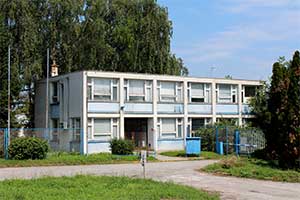 69 Deer Hill Road
Fryeburg, ME. 04037
207-697-2020
Summit Achievement is 22.9 miles from Conway, NH
Summit Achievement a licensed residential treatment center is located in the beautiful White Mountain region of Maine. Guided by positive reinforcement and the power of choice our outcome-focused program employs effective therapeutic and educational principles.
Find Drug and Alcohol Treatment Centers in or around the following New Hampshire cities:
Top Cities For Recovery:
Commonly Asked Questions about Addiction and Treatment
How do addictive drugs influence behavior?
Addictive drugs influence behavior by interacting with the brain's reward system. This system is responsible for driving pleasurable feelings and motivating behaviors essential to human survival, such as eating and socializing. Addictive substances can hijack this system, leading to changes in behavior and brain function.
Here's a simplified explanation of how this works:
Alteration of Neurotransmitter Activity: Addictive substances often increase the levels of certain neurotransmitters, chemicals that transmit signals between nerve cells in the brain. One key neurotransmitter affected by many drugs is dopamine, which is closely associated with feelings of pleasure and reward.
Overstimulation of the Reward System: By increasing dopamine levels, addictive drugs overstimulate the reward system, often creating a sense of euphoria. This intense pleasure can lead individuals to repeat the drug use to recapture this feeling.
Development of Tolerance and Dependence: Over time, the brain adapts to the increased dopamine levels by producing less dopamine or reducing the number of receptors that can receive signals. As a result, the drug's effects are lessened, a phenomenon known as tolerance. This can lead users to take increasingly larger doses of the drug to achieve the same dopamine high. This cycle can lead to dependence, where the brain relies on the drug to function normally.
Withdrawal and Cravings: When the drug is not taken, withdrawal symptoms can occur as the brain attempts to rebalance itself. These can include negative emotions like anxiety and depression, physical symptoms like nausea or restlessness, and intense cravings for the drug.
Compulsive Drug-seeking Behavior: As the cycle of tolerance, dependence, withdrawal, and cravings continues, individuals may engage in compulsive drug-seeking behavior, even when faced with negative health, social, or legal consequences. This is a key characteristic of addiction.
Impairment in Decision-making and Self-control: Long-term drug use can also cause changes to other areas of the brain that impair decision-making, self-control, judgment, learning, and memory, further fueling the cycle of addiction.
How to help an addict without enabling them?
Helping an individual struggling with addiction without enabling them requires a fine balance. Here are some strategies that might be helpful:
- Understand the Difference between Helping and Enabling: Helping involves actions that promote recovery and responsibility, while enabling involves actions that indirectly support or condone the addictive behavior. For example, providing money without accountability might support the purchase of substances, which would be enabling. Instead, directly paying for a necessity like rent or an utility bill could be a more supportive choice.
- Set Boundaries: Establish clear rules and expectations for behavior. These could involve no drug use at home, or consequences for missed commitments. Consistency is important when enforcing these boundaries.
- Encourage Treatment: Continually encourage your loved one to seek professional help for their addiction. You could assist by researching treatment options or helping to arrange appointments, but the decision to follow through must ultimately be theirs.
- Offer Emotional Support: Provide reassurance, empathy, and love. This kind of support fosters a sense of self-worth, which can be a motivating factor for seeking treatment.
- Avoid Covering Up for Their Addiction: Do not lie or make excuses for their behavior. This can perpetuate the cycle of denial and avoid the necessary realization of the harmful effects of their addiction.
- Practice Self-Care: Caring for someone with an addiction can be emotionally draining. Be sure to take care of your own health and wellbeing, seeking outside support if needed.
- Educate Yourself: Learning about the nature of addiction can help you respond more effectively. Consider attending support group meetings for friends and family members of people with addiction, such as Al-Anon or Nar-Anon.
- Support Recovery, Not Addiction: Be mindful of any actions that may unintentionally support the addiction rather than the person. This could involve refusing to provide money that could be used on substances, while instead offering help in forms that directly support recovery, like providing transportation to therapy sessions.
What happens when a person overdosed on fentanyl?
Fentanyl is a synthetic opioid that is 50 to 100 times more potent than morphine. It is used medically to treat severe pain, but its potent nature also makes it dangerous when misused or taken in excessive amounts. When a person overdoses on fentanyl, several life-threatening symptoms and complications can occur:
- Respiratory depression: One of the most critical effects of a fentanyl overdose is severe respiratory depression, which occurs when the drug suppresses the brain's ability to control breathing. This can lead to slow, shallow, or irregular breathing, or even cause the person to stop breathing altogether, which can be fatal.
- Unconsciousness: A fentanyl overdose can cause the person to lose consciousness or become unresponsive. In this state, the individual is at a higher risk of choking or suffering from positional asphyxia if they are in an awkward position that restricts their breathing.
- Constricted pupils: An overdose may result in pinpoint pupils, also known as miosis, which is a common sign of opioid intoxication.
- Cyanosis: Due to the lack of oxygen resulting from respiratory depression, the person's skin, lips, and nails may develop a bluish tint, which is called cyanosis.
- Low blood pressure: A fentanyl overdose can lead to a significant drop in blood pressure (hypotension), which may result in dizziness, fainting, or shock.
- Slow or weak pulse: The person's heart rate may become slow or weak, further contributing to the risk of life-threatening complications.
- Muscle rigidity: In some cases, a fentanyl overdose can cause muscle stiffness or rigidity, particularly in the chest and abdominal muscles, which can make it even more difficult to breathe.
- Seizures: Although less common, a fentanyl overdose may also cause seizures in some individuals.
- Coma or death: In severe cases, a fentanyl overdose can lead to coma or death due to respiratory failure, lack of oxygen, or other complications.
If you suspect someone is experiencing a fentanyl overdose, it is crucial to call emergency medical services immediately. Administering naloxone, an opioid antagonist, can temporarily reverse the effects of the overdose, but multiple doses may be needed due to fentanyl's potency. It is essential to note that naloxone is not a substitute for professional medical care, and the person must still receive prompt medical attention to address any underlying complications and ensure proper treatment.
National Non Profit Helpline - 1-877-882-9275
Our National Non Profit Helpline is a 24/7, 365-day-a-year treatment referral and information service for individuals and families faced with mental and/or substance use disorders.
All calls are strictly confidential
Our service provides referrals to licensed treatment facilities, support groups, and community-based organizations. You don't have to struggle alone with addiction. Help is just a phone call away. Call 1-877-882-9275 now to get the help you need and deserve.
1-877-882-9275




