Alcohol and Drug Rehabilitation Centers in Fallon, Nevada
Fallon, NV has nearby treatment options including: 3 medicaid programs, 1 inpatient rehab center, 2 drug rehabs that take PPO insurance like Cigna, 1 detox center, 4 outpatient rehabs.
Get Help - Find a Rehab Center Today
Popular Searches for Drug and Alcohol Rehab in Fallon, Nevada:
Skip To Rehab Listing
Drug and Alcohol Treatment Service Settings and Rehabilitation Approaches in Fallon, Nevada
Those in Fallon who have a substance abuse issue have multiple local recovery programs from which they can choose like: outpatient detoxification facilities, outpatient individual counseling, long term drug abuse treatment, short term treatment programs, inpatient drug and alcohol rehab centers
Also, people can choose from a range of methods for their treatment in order to obtain the most beneficial care, such as: matrix model, group therapy, rational emotive behavioral therapy, cognitive/behavior therapy, trauma-related counseling, dialectical behavior therapy
Special Programs for Substance Abuse Treatment
Drug and alcohol rehab programs in Fallon can also address a client's particular substance abuse rehab needs through a range of special programs. These services can consist of the following: veterans, domestic violence, clients referred from the court/judicial system, residential beds for client's children, housing services, persons who have experienced sexual abuse
Rehab Payment Options
The cost of alcohol and drug treatment can be a concern for a lot of patients and their families. That is why local alcohol and drug rehab programs provide several payment options that cater to the varying financial situations of patients. Here are some of the forms of payment accepted by these rehabilitation programs: cash or self-payment, private health insurance, payment assistance, medicare, medicaid, county or local government funds, access to recovery (atr) voucher
On many occasions, these centers will work with patients to identify the best means of payment for their needs.
Those who have an issue with drug and alcohol addiction can get effective care in Fallon through a broad variety of rehabilitation programs, treatment methods, specialized programs, and payment options. The scope of choice makes alcohol and drug rehab achievable for a great deal of local residents in need.
Dr. Gina M Jansheski, M.D.

Dr. Po-Chang Hsu, M.D., M.S.

Renee Warmbrodt, RN, MSN, CPNP-PC

Alcohol and Drug Rehabs Serving the Fallon, Nevada Area:
 1001 Rio Vista Drive
Fallon, NV. 89406
775-423-3634 x1032
Phone: 775-423-3634 x1032
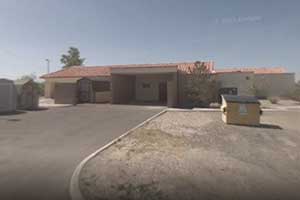
The Fallon Tribal Health Center (FTHC) is a tribally owned and operated clinic, located on the Fallon Paiute Shoshone Indian Colony, committed to enhancing the quality of life of all American Indians by providing a culturally competent and patient-centered continuum of care. The wide range of services it provides includes internal & family medicine, pediatrics, behavioral health services, laboratory services, dental care for children & adults, substance use treatment services, pharmaceutical services, optometry & ophthalmology, chiropractic, podiatry, nutrition, diabetes care, JVN screenings, & injury prevention services. Community health services are also offered, including care giving, health education & counseling, case management, and patient advocacy.
 1490 Grimes Street
Fallon, NV. 89407
775-423-1412
Phone: 775-423-1412
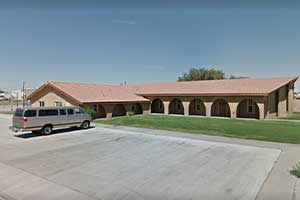
New Frontier Treatment Center (NFTC) is a non-profit community based organization dedicated to promoting individual, family, and community wellness through a variety of substance use treatment, prevention, and behavioral health services. New Frontier runs a 28-bed residential facility and offers several levels of residential treatment programs for adults and outpatient treatment services for adults and adolescents.
NFTC's residential programs fall into one of three models: the social detox model, the med-high intensity residential program, and the low intensity advanced recovery. Each program, outpatient or inpatient, utilizes a combination of psychotherapy, group counseling sessions, and community self-help meetings.
Pyramid Lake Paiute Tribal Health Ctr

 705 Highway 446
Nixon, NV. 89424
775-574-1018
Pyramid Lake Paiute Tribal Health Ctr is 61.6 miles from Fallon, Nevada
Pyramid Lake Paiute Tribal Health Ctr is devoted to assisting the community of Fallon, NV. and the surrounding areas to find full recovery after a period of struggling with drug and alcohol addiction. Pyramid Lake Paiute Tribal Health Ctr provides a wide variety of services in line with their philosophy of treatments that work - including inpatient detox centers, outpatient hospital programs, long term drug rehab centers, short term treatment programs, inpatient drug and alcohol rehab facilities and others.
Pyramid Lake Paiute Tribal Health Ctr also feels that it is important that every individual client gets uniquely tailored treatment to ensure their recovery. This is why it is specialized in a wide variety of treatment methods, including matrix model, group therapy, rational emotive behavioral therapy, cognitive/behavior therapy, trauma-related counseling, dialectical behavior therapy and others. In addition, Pyramid Lake Paiute Tribal Health Ctr is specialized in veterans, domestic violence, clients referred from the court/judicial system, residential beds for client's children, housing services, persons who have experienced sexual abuse, as well as other special programs. In general, the treatment methods that this alcohol and drug rehab program uses can provide the level of stability that is as permanent as it is lasting.
Lastly, Pyramid Lake Paiute Tribal Health Ctr accepts private pay, private insurance, payment assistance, medicaid, medicare, county or local government funds, access to recovery (atr) voucher and more.
Rural Nevada Counseling
 5 Pine Cone Road
Dayton, NV. 89403
775-246-6214
Rural Nevada Counseling is 72.4 miles from Fallon, NV
Rural Nevada Counseling is dedicated to helping the community of Fallon, Nevada and the surrounding areas to getting their life back after struggling with substance abuse. Because of this, Rural Nevada Counseling accommodates a wide variety of services in line with their philosophy of treatments that work - including detoxification facilities, outpatient counseling, long term drug and alcohol rehab centers, short term treatment facilities, inpatient addiction treatment facilities and others.
Rural Nevada Counseling also feels that it is of the upmost importance that every person gets highly personalized services to ensure their recovery. This is why it is specialized in a wide variety of treatment methods, including matrix model, group therapy, rational emotive behavioral therapy, cognitive/behavior therapy, trauma-related counseling, dialectical behavior therapy and others. In addition, Rural Nevada Counseling is specialized in veterans, domestic violence, clients referred from the court/judicial system, residential beds for client's children, housing services, persons who have experienced sexual abuse, as well as other special programs. In general, the treatment methods that this drug and alcohol rehab uses can provide the level of stability that is as permanent as it is lasting.
Lastly, Rural Nevada Counseling accepts cash or self-payment, private health insurance, payment assistance, medicare, medicaid, county or local government funds, access to recovery (atr) voucher and more.
Find Drug and Alcohol Treatment Centers in or around the following Nevada cities:
Top Cities For Recovery:
Commonly Asked Questions about Addiction and Treatment
What drugs turn off emotions and make you feel numb?
Several classes of drugs can have the effect of numbing emotions or creating a feeling of emotional detachment. It's important to note that these effects can vary widely between individuals and depend on many factors, including the dosage, the method of use, and the individual's personal physiology and psychology. Here are a few examples:
Depressants: This category of drugs, which includes alcohol, benzodiazepines (like Xanax or Valium), and opioids (like heroin or prescription painkillers), can reduce brain activity and dull emotions. Users often report feeling numb or detached from their emotions.
Dissociatives: Dissociative drugs like ketamine, PCP, and certain kinds of cough medicines containing dextromethorphan (DXM), can induce a state of detachment from reality and one's self, which can include a sense of emotional numbness.
Selective Serotonin Reuptake Inhibitors (SSRIs): While primarily used as antidepressants, some individuals report feeling emotionally numb or detached when taking SSRIs. This is generally considered a side effect, and if experienced, should be discussed with a healthcare provider.
Antipsychotics: These medications are primarily used to treat conditions like schizophrenia, but they can also induce a state of emotional numbness or flatness in some individuals.
While these substances can make a person feel emotionally numb, it's important to note that this is often a temporary and potentially harmful solution. Long-term use can lead to a range of negative health effects, including physical dependence, addiction, and a worsening of emotional or mental health symptoms. If you're feeling overwhelmed by your emotions, it's crucial to seek help from a mental health professional rather than turning to substances. They can provide support and discuss healthier ways to cope with these feelings.
What you should do and how to cope if you are living with an addict?
Living with an individual struggling with addiction can be challenging and emotionally taxing. It's essential to find effective strategies to cope with this situation, protect your own well-being, and potentially influence your loved one towards recovery. Here are some strategies:
- Educate Yourself: Understand that addiction is a disease, not a choice or moral failing. Learn about the specifics of the addiction, its effects, and treatment options. This knowledge can help you better empathize with your loved one and give you an idea of what they're facing.
- Set Boundaries: Establish boundaries that protect your mental, emotional, and physical health. This could involve rules around drug use in the house, or not covering for the addict's responsibilities. Be firm in maintaining these boundaries.
- Avoid Enabling: While it can be difficult to watch a loved one suffer, avoid actions that enable their addiction, such as providing money that may be used on drugs or alcohol, or making excuses for their behavior.
- Communicate Openly and Honestly: Express your concerns without blame or judgment. Use "I" statements to express how their behavior affects you and others in the house.
- Encourage and Support Treatment: Encourage them to seek professional help. Show support for their efforts to engage in treatment and maintain recovery.
- Take Care of Yourself: It's crucial to look after your own health too. Make time for activities you enjoy, maintain a healthy lifestyle, and seek support when needed. You cannot pour from an empty cup, so ensure you're well-equipped mentally and physically to cope with the situation.
- Seek Support: Consider joining a support group for families and friends of individuals with addiction, such as Al-Anon or Nar-Anon. These groups can provide a community of people who understand your experiences and can provide advice, support, and a safe space to share your feelings.
- Consider Professional Guidance: If the situation becomes unmanageable or you're unsure how to proceed, seek help from a counselor or therapist familiar with addiction. In extreme cases, a professional intervention may be necessary.
What are the principles of recovery from drug and alcohol addiction?
Recovery from drug and alcohol addiction is an unique and individualized process. However, there are several key principles that are commonly recognized as important for successful recovery. These principles include:
- Acceptance: Acknowledging the presence of an addiction and the need for change is the first step in the recovery process. Acceptance involves recognizing the consequences of substance use and taking responsibility for one's actions.
- Commitment: Recovery requires a strong commitment to change and the willingness to take consistent action. This may involve making difficult decisions, such as cutting ties with unhealthy influences or seeking professional help.
- Support: Building a strong support network is critical in recovery. This can include friends, family, peers, counselors, or support groups, who can provide encouragement, advice, and understanding throughout the process.
- Holistic Approach: Addressing all aspects of a person's life�''physical, mental, emotional, and spiritual�''can contribute to a more successful recovery. This may involve incorporating healthy habits, such as exercise, proper nutrition, and mindfulness practices, into one's daily routine.
- Personal Responsibility: Taking personal responsibility for one's actions and choices is essential for long-term recovery. This includes understanding triggers, developing coping strategies, and setting boundaries to prevent relapse.
- Coping Skills: Learning and practicing healthy coping skills can help manage stress and emotional challenges without resorting to substance use. These skills may include relaxation techniques, problem-solving strategies, or communication skills.
- Ongoing Growth: Recovery is a lifelong process that requires ongoing growth and self-improvement. This may involve setting personal goals, building self-esteem, and continuously evaluating and adjusting one's approach to recovery.
- Hope: Believing in the possibility of a better future and maintaining a positive outlook is crucial for recovery. Hope can serve as a powerful motivator and provide the strength to overcome setbacks and challenges.
- Honesty: Being honest with oneself and others is essential for building trust and promoting self-awareness in recovery. Honesty helps individuals confront their struggles and maintain accountability for their actions.
- Patience: Recovery is a gradual process that requires patience and perseverance. It's important to recognize that setbacks and challenges are a normal part of the journey and to maintain a long-term perspective on personal growth and healing.
National Non Profit Helpline - 1-877-882-9275
Our National Non Profit Helpline is a 24/7, 365-day-a-year treatment referral and information service for individuals and families faced with mental and/or substance use disorders.
All calls are strictly confidential
Our service provides referrals to licensed treatment facilities, support groups, and community-based organizations. You don't have to struggle alone with addiction. Help is just a phone call away. Call 1-877-882-9275 now to get the help you need and deserve.
1-877-882-9275




