Quitman, MS Drug and Alcohol Rehab Centers
Quitman, MS has nearby treatment options including: 4 low cost treatment centers, 0 inpatient rehab, 2 drug rehabs that take private insurance like UnitedHealthCare, 2 detox centers, 4 outpatient rehabs.
Get Help - Find a Rehab Center Today
Popular Searches for Drug and Alcohol Rehab in Quitman, Mississippi:
Skip To Rehab Listing
Treatment Service Settings and Recovery Methods
Quitman's many rehabilitation programs, some of which are listed below, address a problem that is widespread in cities all over the United States: alcohol and drug abuse. These centers counter this challenge locally by offering locations and resources that are suitable for clients within the area. These settings can include: inpatient detox programs, outpatient individual counseling, inpatient treatment facilities, long term treatment facilities, short term drug treatment.
Alcohol and drug rehabs adopt several methods, from long-established practices to recently developed methods such as: brief intervention approach, trauma-related counseling, cognitive/behavior therapy, dialectical behavior therapy, vocational rehabilitation services, relapse prevention. The result is a variety of programs that clear the path to attainable lasting sobriety for many clients.
Special Programs for Substance Abuse Offered by Rehab Facilities
People struggling with alcohol or drug addiction generally need personalized assistance to get off drugs and alcohol. That is why alcohol and drug rehab centers in Quitman provide special programs that help patients within their personal situations. Some of these programs are included here: persons who have experienced sexual abuse, legal advocacy, clients with HIV/AIDS, veterans, aftercare/continuing care, self-help groups.
Treatment Payment Options in Quitman
Clients encounter varied financial situations, which is the reason addiction rehab centers offer multiple payment choices, such as: private insurance, cash or self-payment, medicare, medicaid, sliding fee scale, state corrections or juvenile justice funds, county or local government funds.
Funding should never be a barrier to addiction treatment. Rehabs direct clients toward the financing opportunities that serve their specific budgetary concerns.
With a range of facilities, rehabs, resources, modalities and payment alternatives, Quitman provides patients several options when it comes to seeking treatment from substance abuse.
Dr. Gina M Jansheski, M.D.

Dr. Po-Chang Hsu, M.D., M.S.

Renee Warmbrodt, RN, MSN, CPNP-PC

Alcohol and Drug Rehab Programs Serving the Quitman, Mississippi Area:
 102 Park Place
Quitman, MS. 39355
601-776-6051
Weems Community MH Center provides recovery treatment and rehab services such as detox programs, outpatient individual counseling, inpatient rehabs, long term drug and alcohol rehab centers, short term drug and alcohol rehabs, and others to people living in Quitman and within the surrounding neighborhoods so that they conquer their substance abuse disorders and find full recovery. It has services - such as brief intervention approach, trauma-related counseling, cognitive/behavior therapy, dialectical behavior therapy, vocational rehabilitation services, relapse prevention, and others - which follow its philosophy of the programs that work most effectively. This is because Weems Community MH Center knows that full sobriety can only be achieved through highly individualized care.
Further, the substance abuse treatment center specializes in many other programs - like persons who have experienced sexual abuse, legal advocacy, clients with HIV/AIDS, veterans, aftercare/continuing care, self-help groups and more - as well as many other treatment methods listed below. Further, this drug and alcohol treatment facility has aftercare plans that work in line with its treatment modalities to ensure that clients achieve and maintain full, lasting, and permanent sobriety, stability, and abstinence from alcohol and drugs.
Lastly, Weems Community MH Center accepts private insurance, cash or self-payment, medicare, medicaid, sliding fee scale, state corrections or juvenile justice funds, county or local government funds, and more.
Meridian Treatment Center Metro Treatment of Mississippi LP

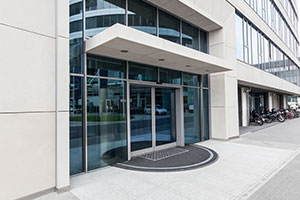 2419 10th Street
Meridian, MS. 39301
601-282-1600
Meridian Treatment Center is 21.8 miles from Quitman, Mississippi
Meridian Treatment Center provides recovery treatment and rehab services such as inpatient detoxification programs, outpatient substance abuse counseling, inpatient addiction treatment programs, long term addiction treatment programs, short term drug treatment, and others to people residing in the local community so that they conquer their drug and alcohol abuse issues and find full sobriety. It has services - such as brief intervention approach, trauma-related counseling, cognitive/behavior therapy, dialectical behavior therapy, vocational rehabilitation services, relapse prevention, and others - which follow its philosophy of the programs that work most effectively. This is because Meridian Treatment Center believes that complete sobriety can only be achieved through highly personalized care.
In addition, the substance abuse treatment facility specializes in many other programs - like persons who have experienced sexual abuse, legal advocacy, clients with HIV/AIDS, veterans, aftercare/continuing care, self-help groups and more - as well as many other treatment methods listed below. Further, this drug and alcohol treatment program has aftercare plans that work in line with its treatment modalities to make sure that clients achieve and maintain permanent, full, and lasting abstinence and sobriety from alcohol and drugs.
Lastly, Meridian Treatment Center accepts private health insurance, private pay, medicare, medicaid, sliding fee scale, state corrections or juvenile justice funds, county or local government funds, and more.
A Second Chance
 2401 State Boulevard
Meridian, MS. 39307
601-616-4605
A Second Chance is 23.2 miles from Quitman, MS
A Second Chance provides recovery care and rehab services such as outpatient detox centers, outpatient substance abuse treatment services, inpatient rehabs, long term drug treatment, short term addiction treatment centers, and others to clients residing in the local community so that they overcome their alcohol and drug abuse issues and achieve full recovery. It has services - such as brief intervention approach, trauma-related counseling, cognitive/behavior therapy, dialectical behavior therapy, vocational rehabilitation services, relapse prevention, and others - which follow its philosophy of the programs that work most effectively. This is because A Second Chance knows that complete recovery can only be achieved through highly individualized and personalized care.
Further, the drug and alcohol rehab program specializes in many other programs - like persons who have experienced sexual abuse, legal advocacy, clients with HIV/AIDS, veterans, aftercare/continuing care, self-help groups and more - as well as many other treatment methods that you can find listed below. Further, this substance abuse treatment facility has aftercare programs that work in line with its treatment modalities to make sure that clients achieve and maintain permanent, full, and lasting abstinence and sobriety from drugs and alcohol.
Lastly, A Second Chance accepts private insurance, private pay, medicaid, medicare, sliding fee scale, state corrections or juvenile justice funds, county or local government funds, and more.
Alliance Health Center DBA Alliance Health Center Inc
 5000 Highway 39 North
Meridian, MS. 39301
601-483-6211
Alliance Health Center is 24.5 miles from Quitman, Mississippi
Alliance Health Center was originally owned and operated by the Sisters of St. Joseph Hospital as a medical hospital.
Find Drug and Alcohol Treatment Centers in or around the following Mississippi cities:
Top Cities For Recovery:
Commonly Asked Questions about Addiction and Treatment
What does drug addiction do to a person?
Drug addiction, also known as Substance Use Disorder (SUD), is a complex condition that affects an individual's brain and behavior, leading to an inability to control the use of drugs despite harmful consequences. Drug addiction can impact a person in various ways, including physical, psychological, social, and emotional aspects of their life. Some of the effects of drug addiction include:
- Physical health problems: Chronic drug use can lead to numerous health issues, ranging from mild to severe. These may include weakened immune system, cardiovascular problems, liver damage, lung diseases, kidney damage, and increased risk of infectious diseases, such as HIV and Hepatitis C.
- Mental health issues: Drug addiction often co-occurs with mental health disorders, such as depression, anxiety, and bipolar disorder. Substance use can exacerbate existing mental health conditions or lead to the development of new ones.
- Cognitive impairment: Prolonged drug use can impair cognitive functions, such as memory, attention, decision-making, and problem-solving skills. This can impact an individual's ability to function effectively in daily life and may result in poor academic or work performance.
- Emotional instability: Drug addiction can lead to emotional instability, mood swings, and increased irritability, which can strain personal relationships and affect overall well-being.
- Social isolation: Individuals with drug addiction may withdraw from social activities, hobbies, or relationships, leading to isolation and loneliness. They may also prioritize drug-seeking behaviors over other aspects of their life, further damaging social connections.
- Financial difficulties: The cost of obtaining drugs, combined with reduced work performance or job loss, can lead to financial strain and potentially result in homelessness or dependence on others for support.
- Legal problems: Drug addiction may increase the likelihood of engaging in illegal activities, such as theft or drug trafficking, to support drug use. This can lead to arrest, incarceration, or other legal consequences.
- Increased risk of overdose: Chronic drug use increases the risk of accidental overdose, which can result in severe health complications or death.
- Family and relationship issues: Drug addiction can strain family relationships and lead to instability within the household, as well as negatively impact the emotional and physical well-being of children in the family.
What is the Cognitive Behavioral Method for treating addiction?
"The Cognitive Behavioral Method, or Cognitive Behavioral Therapy (CBT), is an evidence-based psychological approach for treating addiction that focuses on identifying and modifying dysfunctional thought patterns, beliefs, and behaviors that contribute to substance use disorders. CBT is grounded in the understanding that an individual's thoughts, feelings, and behaviors are interconnected, and by changing maladaptive thought patterns and behaviors, they can better manage their emotions and reduce their reliance on addictive substances.
CBT for addiction treatment typically involves the following key components:
- Identifying triggers: The first step in CBT is to help individuals recognize the situations, thoughts, or emotions that trigger their substance use. This awareness enables them to develop strategies to manage these triggers effectively and avoid relapse.
- Challenging negative thoughts: CBT helps individuals recognize and challenge irrational or negative thoughts and beliefs that contribute to their addiction. By examining the evidence for and against these thoughts and replacing them with more balanced, rational alternatives, individuals can better control their emotions and behaviors.
- Developing healthy coping strategies: CBT focuses on teaching individuals new, adaptive coping skills to deal with stress, cravings, or negative emotions without resorting to substance use. These strategies may include relaxation techniques, problem-solving skills, assertiveness training, or time management, among others.
- Building self-efficacy: CBT helps individuals build confidence in their ability to cope with high-risk situations and resist the urge to use substances. This increased self-efficacy can contribute to long-term recovery and reduce the likelihood of relapse.
- Relapse prevention: CBT incorporates relapse prevention techniques to help individuals identify early warning signs of relapse and develop a plan to address these signs effectively. This may involve practicing coping strategies, seeking support from others, or making adjustments to their environment or daily routine.
CBT for addiction treatment can be delivered in individual, group, or family therapy settings and is often used in conjunction with other treatment modalities, such as medication-assisted treatment (MAT), peer support groups, or motivational interviewing. CBT has been found to be effective in treating various substance use disorders, including alcohol, opioid, and stimulant addiction, as well as co-occurring mental health disorders, such as anxiety and depression."
What will a rehab do to help me get through my withdrawal symptoms?
Rehabilitation centers use a combination of medical, psychological, and supportive care to help you manage and overcome withdrawal symptoms during the detoxification stage of recovery. Here's what you can expect:
Medical Supervision and Care: During withdrawal, you'll be under the constant care of medical professionals who monitor your vital signs and general health. This is crucial because withdrawal from certain substances can be life-threatening.
Medication-Assisted Treatment: Depending on the substance you're withdrawing from and the severity of your symptoms, the medical team may administer medications to alleviate discomfort and reduce cravings. For example, methadone or buprenorphine might be used for opioid withdrawal, while benzodiazepines might be used for alcohol withdrawal.
Psychological Support: Mental health professionals provide psychological support during withdrawal. This might include individual counseling, group therapy, or cognitive-behavioral techniques to help manage cravings and cope with the emotional stress of withdrawal.
Comfort Measures: Rehab centers often use comfort measures to help manage withdrawal symptoms. These might include a quiet and comfortable room to rest in, nutritional support, hydration, and complementary therapies such as acupuncture, massage, or yoga.
Preparation for Ongoing Treatment: Detox and withdrawal management are just the first steps in the recovery process. While helping you through withdrawal, staff at the rehab center will also be preparing you for the next phases of treatment, which may include therapy, medication management, and skill-building to maintain long-term sobriety.
Peer Support: Many rehab centers facilitate peer support groups, where you can share experiences and coping strategies with others who are going through a similar process.
National Non Profit Helpline - 1-877-882-9275
Our National Non Profit Helpline is a 24/7, 365-day-a-year treatment referral and information service for individuals and families faced with mental and/or substance use disorders.
All calls are strictly confidential
Our service provides referrals to licensed treatment facilities, support groups, and community-based organizations. You don't have to struggle alone with addiction. Help is just a phone call away. Call 1-877-882-9275 now to get the help you need and deserve.
1-877-882-9275




