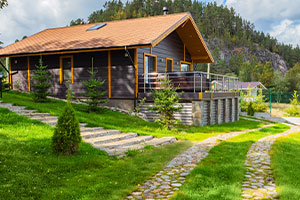
4905 Telephone Road
Pascagoula, MS. 39567
228-769-1280 x2050
Pascagoula, MS has nearby choices for addiction treatment including: 0 medicare program, 3 inpatient rehab centers, 1 drug rehab that takes private insurance like Cigna, 2 detox centers, 3 outpatient treatment programs.

For help finding an addiction treatment center, Call us!
All calls are 100% confidential and free
1-877-882-9275




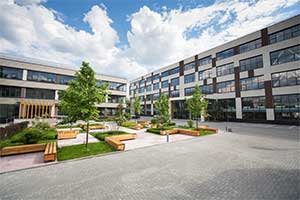
Home of Grace is 14.9 miles from Pascagoula, MS

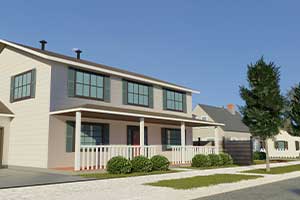
Mississippi Drug and Alcohol is 21.7 miles from Pascagoula, Mississippi
Mississippi Drug and Alcohol is dedicated to assisting anyone with a drug or alcohol abuse disorder in the local community find full recovery. It offers several services - such as inpatient drug abuse treatment, outpatient day treatment, inpatient detoxification facilities, short term addiction treatment centers, long term drug and alcohol rehab facilities and others - in keeping with its belief of the recovery treatment and rehab modalities that work in recovery. This alcohol and drug treatment facility also believes that clients require individual treatment and care to be able to stop abusing drugs and alcohol.
As such, Mississippi Drug and Alcohol has specialized in cognitive/behavior therapy, individual psychotherapy, anger management, contingency management/motivational incentive, 12-step facilitation approach, group therapy and more. At the same time, it accepts clients who are domestic violence, persons who have experienced sexual abuse, programs for the hearing impaired, child care for clients children, social skills development, transgender or (LGBT) clients, and others. This drug and alcohol treatment facility uses care modalities that can help patients to maintain lasting and permanent sobriety and abstinence from the substances abused in the past.
In terms of payment, clients in Mississippi Drug and Alcohol can pay for services using private insurance, private pay, sliding fee scale, medicare, medicaid, other state funds, state education funds and others.

Biloxi Treatment Center is 22.9 miles from Pascagoula, Mississippi
Biloxi Treatment Center is committed to helping any person with an alcohol or drug use problem in Pascagoula, MS. and its surrounding areas find full recovery. It provides several services - such as inpatient drug treatment, outpatient individual counseling, inpatient detox facilities, short term drug addiction treatment, long term treatment programs and others - in line with its philosophy of the addiction treatment and rehab methods that are effective in recovery. This alcohol and drug rehab program also believes that people need individual treatment to be able to maintain their sobriety.
As such, Biloxi Treatment Center specializes in cognitive/behavior therapy, individual psychotherapy, anger management, contingency management/motivational incentive, 12-step facilitation approach, group therapy and more. At the same time, it accepts patients who are domestic violence, persons who have experienced sexual abuse, programs for the hearing impaired, child care for clients children, social skills development, transgender or (LGBT) clients, and others. This drug and alcohol rehab program uses treatment methods that can assist clients to maintain lasting and permanent sobriety and abstinence from the substances of abuse that they have used in the past.
In terms of payment, clients in Biloxi Treatment Center can pay for services using private medical insurance, cash or self-payment, sliding fee scale, medicaid, medicare, other state funds, state education funds and others.
Confronting someone about their drug addiction is a delicate task, requiring a compassionate, non-judgmental approach. It's crucial to express your concerns without inciting defensiveness. Here are some steps to guide you through this process:
Living with an individual struggling with addiction can be challenging and emotionally taxing. It's essential to find effective strategies to cope with this situation, protect your own well-being, and potentially influence your loved one towards recovery. Here are some strategies:
Addiction to drugs is a complex process that involves a combination of biological, psychological, and social factors. It is not simply a matter of weak willpower or moral failing, but rather a chronic disease of the brain that can develop over time.
Here's a simplified explanation of how a person may become addicted to drugs:
National Non Profit Helpline - 1-877-882-9275
Our National Non Profit Helpline is a 24/7, 365-day-a-year treatment referral and information service for individuals and families faced with mental and/or substance use disorders.
All calls are strictly confidential
Our service provides referrals to licensed treatment facilities, support groups, and community-based organizations. You don't have to struggle alone with addiction. Help is just a phone call away. Call 1-877-882-9275 now to get the help you need and deserve.



© Copyright 1998 - 2022 All Rights Reserved. Content is protected under copyright laws, do not use content without written permission.
