
4507 U.S. Highway 49 South
Hattiesburg, MS. 39401
601-545-2925
Hattiesburg, MS has several nearby treatment choices including: 1 medicare program, 3 inpatient rehabs, 3 drug rehabs that take private insurance like Blue Cross Blue Shield, 0 detox center, 3 outpatient rehabs.

For help finding an addiction treatment center, Call us!
All calls are 100% confidential and free
1-877-882-9275




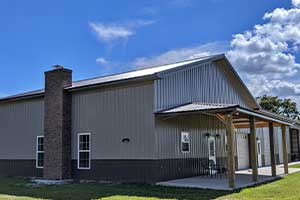
Clearview Recovery Center of is 12.9 miles from Hattiesburg, MS
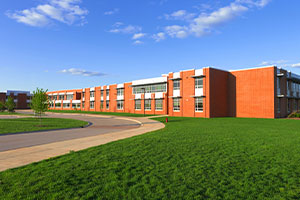
Pine Belt Mental Healthcare Resources is 23 miles from Hattiesburg, MS
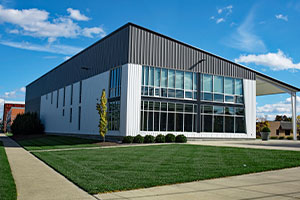
Gulf Coast Mental Health Center is 60.5 miles from Hattiesburg, Mississippi
Gulf Coast Mental Health Center has long been dedicated to assisting its clients recovery after a period of alcohol and drug addiction. It has been doing this within Hattiesburg, Mississippi and in the surrounding communities for many years now. Gulf Coast Mental Health Center offers services like trauma therapy, trauma-related counseling, substance abuse counseling approach, group therapy, individual psychotherapy, motivational interviewing - which are all representative of their rehabilitation and treatment philosophies. Gulf Coast Mental Health Center believes that clients need individual focus and treatment for them to find full recovery treatment. This is why it provides various programs, like transgender or (LGBT) clients, active duty military, substance abuse education, clients referred from the court/judicial system, persons with eating disorders, persons with post-traumatic stress disorder - among other services listed in the following sections.
Gulf Coast Mental Health Center offers outpatient detoxification programs, long term rehab centers, short term drug and alcohol rehab centers, outpatient substance abuse counseling, inpatient rehab facilities and others. Gulf Coast Mental Health Center has continued recovery programs that are designed to help clients maintain their sobriety. This addiction treatment center also uses treatment methods that can help you achieve lasting sobriety.
Finally, Gulf Coast Mental Health Center accepts cash or self-payment, private medical insurance, military insurance, medicaid, medicare, county or local government funds, state education funds, as well as others.
In the mental health field, drug addiction is commonly referred to as a "Substance Use Disorder" (SUD). This term is used in the Diagnostic and Statistical Manual of Mental Disorders, Fifth Edition (DSM-5), which is the standard classification of mental disorders used by mental health professionals in the United States.
A Substance Use Disorder is defined as a pattern of behaviors characterized by an inability to control or cut down on use, spending a lot of time obtaining the substance, craving the substance, failing to fulfill obligations at work, school, or home due to substance use, and continuing to use the substance despite knowing it's causing physical or psychological harm.
Substance Use Disorders can be further categorized based on the specific substance involved, such as Alcohol Use Disorder, Opioid Use Disorder, Cannabis Use Disorder, and so forth. The severity of the disorder is also assessed (mild, moderate, or severe) based on the number of diagnostic criteria met by an individual.
It's worth noting that this terminology emphasizes the understanding of drug addiction as a medical disorder, rather than a moral failing or a matter of willpower. This shift in language is part of a larger effort to reduce stigma and promote a more compassionate, effective approach to treatment.
The ability to send someone to rehab against their will is highly dependent on the specific laws and regulations of your location. In general, in many jurisdictions, including most states in the U.S., adults cannot be forced into rehab without their consent unless certain legal criteria are met.
However, in some cases where the person poses a danger to themselves or others, a process known as "involuntary commitment" may be possible. This generally involves a court order and typically requires proof that the person is unable to make rational decisions about their health and safety due to their substance use. The specifics of this process, including the standards of proof and the length of time a person can be held, vary widely by jurisdiction.
For minors, parents or guardians typically have the legal right to place their child into a treatment program without the child's consent. Again, the exact laws vary by jurisdiction.
Even if it's legally possible to send someone to rehab against their will, it's important to note that involuntary treatment can be controversial and is not always the most effective approach. Addiction treatment typically requires active participation and a personal commitment to recovery for the best chances of success. Instead, consider engaging a professional interventionist or counselor who can help facilitate a conversation about the person's substance use and the benefits of treatment.
In all cases, it's important to consult with a legal professional in your area to understand the legalities around involuntary treatment. It's also crucial to work with healthcare professionals to ensure that any actions taken are in the best interests of the person struggling with addiction.
Alcoholism, or Alcohol Use Disorder (AUD), can lead to liver damage over time as the liver struggles to process excessive amounts of alcohol. Liver damage due to alcoholism can manifest in various ways, with signs ranging from mild to severe. Some common signs of liver damage from alcoholism include:
It is important to seek medical attention if you or someone you know is experiencing signs of liver damage from alcoholism. Early diagnosis and intervention can help prevent further damage and improve the chances of recovery. Treatment may include abstaining from alcohol, making lifestyle changes, and addressing any underlying health conditions contributing to liver damage.
National Non Profit Helpline - 1-877-882-9275
Our National Non Profit Helpline is a 24/7, 365-day-a-year treatment referral and information service for individuals and families faced with mental and/or substance use disorders.
All calls are strictly confidential
Our service provides referrals to licensed treatment facilities, support groups, and community-based organizations. You don't have to struggle alone with addiction. Help is just a phone call away. Call 1-877-882-9275 now to get the help you need and deserve.



© Copyright 1998 - 2022 All Rights Reserved. Content is protected under copyright laws, do not use content without written permission.
