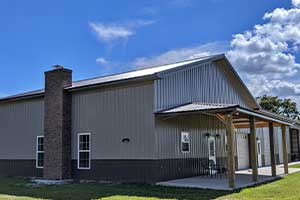
613 Marquette Road
Brandon, MS. 39042
601-591-5553
Brandon, MS has nearby choices for addiction treatment including: 5 low cost treatment centers, 0 inpatient rehab, 4 drug rehabs that take private insurance like Aetna, 3 drug and alcohol detox, 3 outpatient treatment programs.

For help finding an addiction treatment center, Call us!
All calls are 100% confidential and free
1-877-882-9275




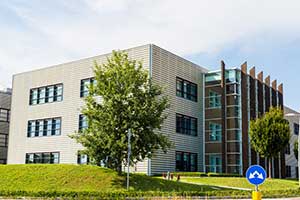
Mississippi State Hospital is 10.2 miles from Brandon, Mississippi
Mississippi State Hospital is committed to helping anyone with a drug or alcohol use issue in the Brandon, Mississippi area find complete recovery. It offers several services - such as inpatient drug and alcohol rehab centers, inpatient detoxification centers, short term drug abuse treatment, outpatient substance abuse counseling, long term drug and alcohol rehab programs and others - in keeping with its philosophy of the recovery treatment and rehab methods that work in recovery. This alcohol and drug rehab facility also believes that clients need individual care to be able to maintain their sobriety.
As such, Mississippi State Hospital has specialized in dual diagnosis drug rehab, relapse prevention, individual psychotherapy, trauma-related counseling, cognitive/behavior therapy, rational emotive behavioral therapy and more. Similarly, it accepts clients who are domestic violence, persons with serious mental illness, legal advocacy, seniors or older adults, persons with eating disorders, substance abuse education, and others. This drug and alcohol rehab center uses care methods that can help clients to maintain sobriety from the substances of abuse that they have used in the past.
In terms of payment, clients in Mississippi State Hospital can pay for services using private pay, private insurance, military insurance, sliding fee scale, other state funds, access to recovery (atr) voucher and others.


Jackson Comprehensive Trt Ctrs LLC is 12.8 miles from Brandon, Mississippi
Jackson Comprehensive Trt Ctrs LLC is dedicated to assisting any person with a drug or alcohol abuse issue in the Brandon, Mississippi area find full recovery. It provides several services - such as inpatient addiction treatment facilities, outpatient detoxification facilities, short term drug abuse treatment, outpatient substance abuse treatment services, long term drug and alcohol rehab centers and others - in keeping with its philosophy of the addiction care and rehab methods that are effective in recovery. This alcohol and drug rehab also believes that people need individual care and treatment to be able to maintain their sobriety.
As such, Jackson Comprehensive Trt Ctrs LLC specializes in dual diagnosis drug rehab, relapse prevention, individual psychotherapy, trauma-related counseling, cognitive/behavior therapy, rational emotive behavioral therapy and more. Similarly, it accepts patients who are domestic violence, persons with serious mental illness, legal advocacy, seniors or older adults, persons with eating disorders, substance abuse education, and others. This drug and alcohol rehab center uses treatment modalities that can assist patients to maintain lasting and permanent abstinence from the substances of abuse that they have used in the past.
In terms of payment, clients in Jackson Comprehensive Trt Ctrs LLC can pay for services using cash or self-payment, private medical insurance, military insurance, sliding fee scale, other state funds, access to recovery (atr) voucher and others.

Three Oaks Behavioral Health of is 13.1 miles from Brandon, Mississippi
Three Oaks Behavioral Health of is committed to assisting anyone with a drug or alcohol use disorder in Brandon, MS. and within the surrounding neighborhoods find full recovery. It provides several programs - such as inpatient drug abuse treatment, detox centers, short term treatment facilities, outpatient day treatment, long term rehab facilities and others - in line with its belief of the addiction care and rehabilitation modalities that are effective in recovery. This drug and alcohol rehab program also believes that people need individual care to be able to stop abusing drugs and alcohol.
As such, Three Oaks Behavioral Health of specializes in dual diagnosis drug rehab, relapse prevention, individual psychotherapy, trauma-related counseling, cognitive/behavior therapy, rational emotive behavioral therapy and more. Similarly, it accepts clients who are domestic violence, persons with serious mental illness, legal advocacy, seniors or older adults, persons with eating disorders, substance abuse education, and others. This alcohol and drug rehabilitation program uses care modalities that can help clients to achieve lasting and permanent sobriety from the substances of abuse that they have used in the past.
In terms of payment, clients in Three Oaks Behavioral Health of can pay for services using cash or self-payment, private insurance, military insurance, sliding fee scale, other state funds, access to recovery (atr) voucher and others.
Yes, in many cases, family members can visit you if you go into a drug rehab program, but the specific policies regarding visitation can vary greatly from one facility to another. Here are some general points to consider:
Please note that the information provided here is general, and it's important to consult with the specific rehab facility you or your loved one are considering for accurate and up-to-date information about their visitation policies.
Detoxification: The first step in treating addiction is often detoxification, which involves clearing the body of the substance while managing withdrawal symptoms. This process should be supervised by medical professionals in a controlled environment to ensure safety and comfort.
Medication-assisted treatment (MAT): MAT combines behavioral therapy with medications to address the physical aspects of addiction. For example, medications such as methadone, buprenorphine, and naltrexone can be used to treat opioid addiction, while disulfiram, acamprosate, and naltrexone may be prescribed for alcohol addiction.
Inpatient treatment: Inpatient or residential treatment programs provide a structured environment with 24-hour care and support. These programs typically offer a combination of individual therapy, group therapy, and educational sessions to address the various aspects of addiction and recovery.
Outpatient treatment: Outpatient programs allow individuals to receive treatment while maintaining their daily responsibilities, such as work or school. These programs typically involve regular therapy sessions, support groups, and may also include medication management.
Cognitive-behavioral therapy (CBT): CBT is a widely used therapy that helps individuals identify and change unhealthy thought patterns and behaviors related to substance use. CBT teaches coping skills and strategies for managing cravings and preventing relapse.
Motivational interviewing: Motivational interviewing is a client-centered approach that helps individuals explore their ambivalence about change and strengthen their motivation to engage in the recovery process.
Contingency management: Contingency management uses positive reinforcement, such as rewards or incentives, to encourage abstinence from substances and promote healthy behaviors.
Family therapy: Family therapy involves working with the individual and their family members to address relationship issues and improve communication. This approach recognizes the role of the family in supporting recovery and aims to create a healthier family dynamic.
Support groups: Participation in support groups, such as Alcoholics Anonymous (AA) or Narcotics Anonymous (NA), can provide peer support and encouragement throughout the recovery process. These groups offer a community of individuals with similar experiences who can share their stories and coping strategies.
Aftercare and relapse prevention: Long-term success in recovery often involves ongoing aftercare, which may include regular therapy sessions, support group meetings, and development of a relapse prevention plan. This plan helps individuals identify potential triggers and develop strategies to cope with cravings and high-risk situations.
Physical appearance: Meth use can lead to drastic changes in physical appearance, such as rapid weight loss, poor dental hygiene (often called "meth mouth"), skin sores from excessive picking, and premature aging.
Sleep disturbances: Meth is a potent stimulant, causing users to experience insomnia or erratic sleep patterns. They may stay awake for extended periods, followed by crashing for long hours to recover.
Increased energy and hyperactivity: Meth use can cause a surge in energy, leading to hyperactivity, rapid speech, and fidgeting. The person may engage in repetitive or obsessive behaviors, such as cleaning or disassembling objects.
Paranoia and hallucinations: Meth can induce feelings of paranoia, suspicion, and even auditory or visual hallucinations. The person may become increasingly mistrustful of others and exhibit irrational or delusional beliefs.
Aggression and mood swings: Meth addiction can lead to unpredictable mood swings, including irritability, aggression, anxiety, or depression. The person may become easily agitated or display violent tendencies.
Impaired cognitive function: Chronic meth use can cause difficulties with memory, concentration, and decision-making. The person may struggle to maintain focus or display confusion and disorientation.
Social isolation: Meth addiction can lead to social withdrawal, as the person prioritizes their drug use over personal relationships and activities they once enjoyed.
Risk-taking behaviors: Meth use can impair judgment, leading to increased risk-taking behaviors such as unsafe sexual practices, criminal activities, or driving under the influence.
Neglect of responsibilities: Meth addiction can cause a person to neglect personal, professional, or family obligations, resulting in job loss, financial difficulties, or relationship problems.
Tolerance and withdrawal: Over time, meth users may develop a tolerance to the drug, requiring higher doses or more frequent use to achieve the desired effects. If the person stops using meth, they may experience withdrawal symptoms such as fatigue, depression, anxiety, and intense cravings for the drug.
National Non Profit Helpline - 1-877-882-9275
Our National Non Profit Helpline is a 24/7, 365-day-a-year treatment referral and information service for individuals and families faced with mental and/or substance use disorders.
All calls are strictly confidential
Our service provides referrals to licensed treatment facilities, support groups, and community-based organizations. You don't have to struggle alone with addiction. Help is just a phone call away. Call 1-877-882-9275 now to get the help you need and deserve.



© Copyright 1998 - 2022 All Rights Reserved. Content is protected under copyright laws, do not use content without written permission.
