New Bedford, MA Drug and Alcohol Rehab Programs
New Bedford, MA has various treatment options: 7 medicaid treatment centers, 4 inpatient drug rehabs, 6 drug rehabs that take PPO insurance like Blue Cross Blue Shield, 1 detox center, 4 outpatient treatment programs.
Get Help - Find a Rehab Center Today
Popular Searches for Drug and Alcohol Rehab in New Bedford, Massachusetts:
Skip To Rehab Listing
However, for individuals struggling with alcohol and drug abuse problems, New Bedford can also offer resources in the form of 32 drug and alcohol rehab facilities intended to help patients in their recoveries.
Alcohol and Drug Rehab Methods and Settings
New Bedford area residents who have a problem with drug and alcohol abuse have many recovery settings available to them, such as the following: intensive outpatient treatment, inpatient drug treatment, outpatient detox programs, short term drug addiction treatment, long term addiction treatment programs.
These treatment programs make drug and alcohol rehabilitation easy to obtain, with convenient locations and several varying treatment approaches from which to choose, including those listed here: couple/family therapy, behavior modification, cognitive/behavior therapy, dual diagnosis drug rehab, group therapy, dialectical behavior therapy.
Special Programs for Drug and Alcohol Recovery
Substance abuse affects every individual differently. In order to accommodate these differences and deliver a more tailored treatment, addiction treatment centers in New Bedford provide several special programs for clients such as: persons with eating disorders, self-help groups, residential beds for client's children, persons with serious mental illness, active duty military, treatment for spanish-speaking clients.
Clients who believe they may need these customized services can explore them with the treatment facility in order to get support that is meant to maximize the likelihood of sustained recovery.
Treatment Payment Alternatives
Residents of New Bedford come from varied economic circumstances, making it vital for rehab centers to deliver several payment options that put rehab within financial reach. Patients can expect to get funding alternatives at local alcohol and drug rehab facilities including the following: private medical insurance, private pay, sliding fee scale, military insurance, other state funds, access to recovery (atr) voucher.
Regardless of a patient's economic status, finances should not be a barrier to treatment. Drug and alcohol rehabilitation programs guide people through their financing alternatives and help them find a way to pay for their treatment.
The goal of varied rehabilitation centers, approaches, programs, and payment options is that treatment for alcohol and drug abuse is possible for as many individuals who need it.
Dr. Gina M Jansheski, M.D.

Dr. Po-Chang Hsu, M.D., M.S.

Renee Warmbrodt, RN, MSN, CPNP-PC

Alcohol and Drug Treatment Programs Serving the New Bedford, Massachusetts Area:
 34 Gifford Street
New Bedford, MA. 02744
508-999-3126
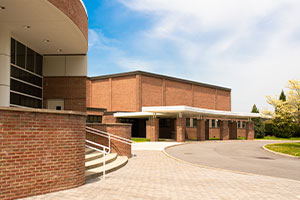
Gifford Street Wellness Center LLC is dedicated to assisting anyone with an alcohol or drug abuse disorder in New Bedford, Massachusetts and its surrounding areas find full recovery. It offers several programs - such as outpatient individual counseling, inpatient addiction treatment centers, inpatient detoxification centers, short term addiction treatment centers, long term rehab centers and others - in keeping with its philosophy of the recovery treatment and rehabilitation modalities that work in recovery. This alcohol and drug treatment program also believes that clients need individual treatment to be able to stop abusing drugs and alcohol.
As such, Gifford Street Wellness Center LLC has specialized in couple/family therapy, behavior modification, cognitive/behavior therapy, dual diagnosis drug rehab, group therapy, dialectical behavior therapy and more. At the same time, it accepts patients who are persons with eating disorders, self-help groups, residential beds for client's children, persons with serious mental illness, active duty military, treatment for spanish-speaking clients, and others. This drug and alcohol rehab uses treatment modalities that can assist patients to achieve abstinence from the substances of abuse that they have used in the past.
In terms of payment, clients in Gifford Street Wellness Center LLC can pay for services using private medical insurance, cash or self-payment, sliding fee scale, military insurance, other state funds, access to recovery (atr) voucher and others.
 108 North Front Street
New Bedford, MA. 02740
774-628-1005
Working out of New Bedford, MA, High Point Treatment Center Inc. offers community based treatment services to people struggling with substance abuse and addiction, chronic mental illness, and dual diagnosis. The goal of the center is to provide every client with the tools they need to achieve health and wellness.
 92 Grape Street
New Bedford, MA. 02740
774-202-2264
CleanSlate Centers is dedicated to assisting any person with an alcohol or drug use issue in the New Bedford area find complete recovery. It provides several programs - such as outpatient counseling, inpatient drug and alcohol rehab centers, detoxification centers, short term drug addiction treatment, long term addiction treatment centers and others - in line with its philosophy of the addiction treatment and rehabilitation methods that work in recovery. This substance abuse treatment center also believes that clients require individual care and treatment to be able to stop abusing drugs and alcohol.
As such, CleanSlate Centers specializes in couple/family therapy, behavior modification, cognitive/behavior therapy, dual diagnosis drug rehab, group therapy, dialectical behavior therapy and more. At the same time, it accepts clients who are persons with eating disorders, self-help groups, residential beds for client's children, persons with serious mental illness, active duty military, treatment for spanish-speaking clients, and others. This addiction treatment program uses care methods that can assist patients to achieve abstinence from the substances of abuse that they have used in the past.
In terms of payment, clients in CleanSlate Centers can pay for services using private health insurance, cash or self-payment, sliding fee scale, military insurance, other state funds, access to recovery (atr) voucher and others.
 252 County Street
New Bedford, MA. 02740
508-992-0800
High Point Treatment Center was incorporated as a nonprofit corporation in July 1996 with the purpose of purchasing the assets of High Point, a privately owned substance abuse treated facility in Plymouth, Massachusetts. In August 1997, High Point Treatment Center was successful in purchasing the Plymouth facility and began operating a substance abuse detox and rehabilitation program, as well as a small Outpatient clinic in New Bedford. It provides short and long-term residential services in New Bedford. The center offers acute mental health services to stabilize patients experiencing an acute psychiatric episode or exacerbation of chronic conditions. Services include medication management, individual, group, and expressive therapies; family support, physician-led multi-disciplinary treatment team, and aftercare planning.
 5 Dover Street
New Bedford, MA. 02740
508-984-4155
SOAR is dedicated to assisting any person with an alcohol or drug abuse disorder in New Bedford, Massachusetts and its surrounding areas find full recovery. It provides several services - such as outpatient day treatment, inpatient rehab facilities, outpatient detoxification centers, short term treatment facilities, long term drug and alcohol rehab facilities and others - in keeping with its philosophy of the addiction care and rehab methods that are effective in recovery. This substance abuse treatment center also believes that clients need individual treatment and care to be able to stop abusing drugs and alcohol.
As such, SOAR has specialized in couple/family therapy, behavior modification, cognitive/behavior therapy, dual diagnosis drug rehab, group therapy, dialectical behavior therapy and more. At the same time, it accepts patients who are persons with eating disorders, self-help groups, residential beds for client's children, persons with serious mental illness, active duty military, treatment for spanish-speaking clients, and others. This addiction treatment center uses care methods that can assist clients to maintain sobriety from the substances of abuse that they have used in the past.
In terms of payment, clients in SOAR can pay for services using private medical insurance, cash or self-payment, sliding fee scale, military insurance, other state funds, access to recovery (atr) voucher and others.
 8 Kilburn Street
New Bedford, MA. 02740
508-979-1122
Healthcare Resource Centers is committed to assisting any person with an alcohol or drug use problem in New Bedford, Massachusetts and its surrounding areas find complete recovery. It offers several programs - such as outpatient day treatment, inpatient drug rehab facilities, inpatient detox centers, short term treatment centers, long term drug rehab facilities and others - in line with its philosophy of the recovery care and rehab modalities that are effective in recovery. This drug and alcohol treatment program also believes that people require individual treatment and care to be able to maintain their sobriety.
As such, Healthcare Resource Centers specializes in couple/family therapy, behavior modification, cognitive/behavior therapy, dual diagnosis drug rehab, group therapy, dialectical behavior therapy and more. Similarly, it accepts patients who are persons with eating disorders, self-help groups, residential beds for client's children, persons with serious mental illness, active duty military, treatment for spanish-speaking clients, and others. This drug and alcohol rehab program uses care methods that can help clients to achieve sobriety and abstinence from the substances of abuse that they have used in the past.
In terms of payment, clients in Healthcare Resource Centers can pay for services using private health insurance, cash or self-payment, sliding fee scale, military insurance, other state funds, access to recovery (atr) voucher and others.
 234 Earle Street
New Bedford, MA. 02746
508-992-8948
High Point's mission is to prevent and treat substance use disorders and mental illness. Our goal is to help individuals and families achieve personal change and improve their quality of life. High Point Treatment Center's (HPTC) mission is to prevent and treat chemical dependency and provide therapeutic services for mental health issues. Our goal is to help an individual achieve personal change and accept responsibility toward an improved quality of life. HPTC will be accomplishing its mission when it is: offering a full continuum of care for addictive disorders, which would successfully transition the patient back into the community, a leader in the prevention and education for chemical dependency and related issues;, a major community resource.
 979 Pleasant Street
New Bedford, MA. 02740
508-984-1880
Steppingstone Inc is committed to helping any person with a drug or alcohol abuse issue in New Bedford, Massachusetts and its surrounding areas find full recovery. It offers several services - such as outpatient day treatment, inpatient drug addiction treatment, inpatient detox centers, short term drug rehab facilities, long term drug rehab facilities and others - in line with its philosophy of the addiction treatment and rehabilitation methods that work in recovery. This drug and alcohol rehabilitation program also believes that people need individual treatment to be able to stop abusing drugs and alcohol.
As such, Steppingstone Inc has specialized in couple/family therapy, behavior modification, cognitive/behavior therapy, dual diagnosis drug rehab, group therapy, dialectical behavior therapy and more. At the same time, it accepts clients who are persons with eating disorders, self-help groups, residential beds for client's children, persons with serious mental illness, active duty military, treatment for spanish-speaking clients, and others. This addiction treatment program uses treatment methods that can help patients to achieve sobriety and abstinence from the substances abused in the past.
In terms of payment, clients in Steppingstone Inc can pay for services using private health insurance, private pay, sliding fee scale, military insurance, other state funds, access to recovery (atr) voucher and others.
Find Drug and Alcohol Treatment Centers in or around the following Massachusetts cities:
Top Cities For Recovery:
Commonly Asked Questions about Addiction and Treatment
How do I know if I have an addiction problem?
Recognizing whether you have an addiction problem involves self-reflection and a honest assessment of your behaviors, thoughts, and emotions related to substance use or compulsive behaviors. Addiction is characterized by an inability to control or abstain from a substance or behavior despite negative consequences and a preoccupation with the addictive substance or behavior. Here are some signs and symptoms that may indicate an addiction problem:
- Loss of control: You may find it difficult to stop or moderate your substance use or behavior, even when you want to or have tried multiple times.
- Continued use despite negative consequences: You continue to engage in the addictive behavior despite experiencing negative effects on your health, relationships, work, or other aspects of your life.
- Preoccupation: You spend a significant amount of time thinking about, obtaining, using, or recovering from the substance or behavior.
- Tolerance: You may need increasing amounts of the substance or more frequent engagement in the behavior to achieve the same desired effect, indicating that your body has become accustomed to it.
- Withdrawal: When you stop using the substance or engaging in the behavior, you experience physical or psychological symptoms, such as anxiety, irritability, nausea, or insomnia.
- Neglecting responsibilities: You may find yourself neglecting personal, work, or family obligations due to your preoccupation with the substance or behavior.
- Social isolation: You may withdraw from social activities or relationships that were once important to you, often to hide your addiction or because the addiction has taken priority.
- Risk-taking behavior: You may engage in risky activities, such as driving under the influence, sharing needles, or engaging in unprotected sex, while using the substance or engaging in the addictive behavior.
- Denial or minimization: You may downplay the severity of your addiction or refuse to acknowledge that there is a problem, despite concerns expressed by friends, family, or professionals.
If you recognize any of these signs and symptoms in your own life, it may be an indication that you have an addiction problem. It is important to seek help from a healthcare professional, addiction counselor, or support group to discuss your concerns and explore available treatment options. Remember, addiction is a complex and chronic condition, but recovery is possible with the appropriate support and intervention.
How to deal with a brother or sister addicted to drugs?
"Dealing with a sibling addicted to drugs is challenging and often emotionally draining. Here are several strategies to consider when navigating this difficult situation:
Education: The first step is to educate yourself about addiction. Understanding that addiction is a chronic disease can help you comprehend the struggles your sibling is going through.
Communication: Open lines of communication with your sibling. Speak honestly about your concerns, but avoid judgmental language. Express your love and concern rather than blame and anger.
Support, Don't Enable: It's important to support your sibling without enabling their addiction. This means helping them in ways that promote recovery, such as providing emotional support or helping them access treatment, but not shielding them from the consequences of their actions.
Encourage Treatment: Advocate for your sibling to seek professional help. This could be a rehab facility, outpatient treatment, therapy, or 12-step programs. Offer to accompany them to appointments or meetings if they are comfortable with it.
Take Care of Yourself: Living with a sibling's addiction can be emotionally taxing. It's crucial to take care of your mental and emotional health too. Seek support from friends, family, or support groups. Professional help, such as therapy or counseling, can also be very beneficial.
Set Boundaries: It's necessary to set boundaries with your sibling to protect your own well-being. This might include rules about drug use in your home or not providing money that could be used to buy drugs.
Patience and Persistence: Recovery is a long process and relapses can occur. It's important to stay patient and persistent, and to maintain hope for your sibling's recovery.
Involve a Professional: If you're finding it hard to get through to your sibling, consider staging an intervention with the help of a professional counselor or intervention specialist.
Practice Compassion: It's essential to remember that your sibling is battling a disease. Stay compassionate and understanding, and remind them that they are loved and valued regardless of their struggle with addiction.
How does a person become addicted to drugs and alcohol?
Addiction to drugs and alcohol is a complex process involving a combination of genetic, environmental, psychological, and social factors. While not everyone who uses drugs or alcohol will become addicted, certain factors can increase an individual's vulnerability to addiction. Some key factors contributing to addiction include:
- Genetic predisposition: Genetics play a significant role in addiction, accounting for an estimated 40-60% of an individual's vulnerability. People with a family history of addiction may be more susceptible to developing a substance use disorder.
- Environmental influences: A person's environment can significantly impact their likelihood of developing an addiction. Factors such as exposure to drugs or alcohol, peer pressure, low socioeconomic status, and lack of parental supervision can contribute to substance use and potential addiction.
- Early initiation: Research indicates that individuals who begin using drugs or alcohol at an early age are at a higher risk of developing addiction later in life. Early exposure to substances can disrupt normal brain development, making it more challenging to resist addictive behaviors.
- Psychological factors: Mental health disorders, such as depression, anxiety, or trauma-related disorders, can increase the risk of addiction. Individuals may turn to drugs or alcohol as a coping mechanism for managing emotional distress, which can lead to dependence and addiction.
- Social factors: Social isolation, lack of support networks, or unhealthy relationships can contribute to addiction. Individuals may use drugs or alcohol to fill a void or establish connections with others, increasing their risk of developing a substance use disorder.
- Chronic use: Repeated exposure to drugs or alcohol can lead to physiological changes in the brain's reward and pleasure centers. Over time, these changes can result in the development of tolerance, dependence, and ultimately addiction.
- Route of administration: The method by which a substance is consumed can impact the likelihood of addiction. Faster-acting routes of administration, such as injecting, smoking, or snorting, can lead to a more rapid onset of pleasurable effects, increasing the risk of addiction.
National Non Profit Helpline - 1-877-882-9275
Our National Non Profit Helpline is a 24/7, 365-day-a-year treatment referral and information service for individuals and families faced with mental and/or substance use disorders.
All calls are strictly confidential
Our service provides referrals to licensed treatment facilities, support groups, and community-based organizations. You don't have to struggle alone with addiction. Help is just a phone call away. Call 1-877-882-9275 now to get the help you need and deserve.
1-877-882-9275







