Drug and Alcohol Rehab Centers in Laurel, MD
Laurel, MD has a number of treatment choices: 6 low cost programs, 1 inpatient rehab, 3 drug rehabs that take PPO insurance like Cigna, 1 drug detox, 5 outpatient rehabs.
Get Help - Find a Rehab Center Today
Popular Searches for Drug and Alcohol Rehab in Laurel, Maryland:
Skip To Rehab Listing
However, for people struggling with drug and alcohol abuse problems, Laurel can also offer resources in the form of 29 alcohol and drug treatment facilities designed to support patients in their recoveries.
Alcohol and Drug Rehab Methods and Settings
Laurel area residents who have a problem with addiction have many rehab settings available to them, such as the following: long term addiction treatment centers, short term rehab programs, outpatient counseling, inpatient drug and alcohol rehab centers, outpatient detoxification programs.
These rehabs make drug and alcohol rehabilitation easy to obtain, with convenient locations and a number of different rehabilitation approaches from which to choose, such as those listed here: vocational rehabilitation services, group therapy, matrix model, dialectical behavior therapy, anger management, cognitive/behavior therapy.
Special Programs for Addiction Recovery
Alcohol and drug addiction affects every person differently. In order to accommodate these differences and offer more customized treatment, substance abuse treatment centers in Laurel offer a number of special programs for [patients such as: programs for the hearing impaired, transgender or (LGBT) clients, active duty military, substance abuse education, legal advocacy, child care for clients children.
Patients who believe they may need these customized services can explore them with the treatment center in order to receive support that is meant to increase the likelihood of lasting recovery.
Rehab Payment Alternatives
Residents of Laurel come from diverse financial situations, making it vital for rehabs to deliver many payment alternatives that place recovery within financial reach. Clients can expect to get funding options at close by alcohol and drug treatment programs including the following: private pay, private medical insurance, payment assistance, military insurance, state education funds, state welfare or child and family services funds.
Despite a client's economic status, money should not be an obstacle to recovery. Alcohol and drug treatment facilities guide people through their payment options and help them find a way to pay for their treatment.
The desired outcome of varied treatment centers, methods, programs, and financing alternatives is that treatment for substance abuse is accessible for as many individuals who really need it.
Dr. Gina M Jansheski, M.D.

Dr. Po-Chang Hsu, M.D., M.S.

Renee Warmbrodt, RN, MSN, CPNP-PC

Alcohol and Drug Rehab Programs Serving the Laurel, Maryland Area:
 419 and 429 Main Street
Laurel, MD. 20707
301-490-5551
Addiction Recovery Inc has long been dedicated to assisting individuals recovery after a period of alcohol and drug addiction. It has been doing this within Laurel and in the surrounding communities for many years now. Addiction Recovery Inc offers services like vocational rehabilitation services, group therapy, matrix model, dialectical behavior therapy, anger management, cognitive/behavior therapy - which are all representative of their rehabilitation and treatment philosophies. Addiction Recovery Inc believes that clients need individual focus and treatment for them to find full recovery treatment. This is why it offers several programs, like programs for the hearing impaired, transgender or (LGBT) clients, active duty military, substance abuse education, legal advocacy, child care for clients children - among other services listed in the following sections.
Addiction Recovery Inc offers long term rehab programs, short term treatment facilities, intensive outpatient treatment, inpatient addiction treatment centers, outpatient detoxification programs and others. Addiction Recovery Inc has relapse prevention programs that are useful in helping clients after they check out of rehab. This alcohol and drug treatment facility also uses treatment types that can help you achieve lasting sobriety.
Finally, Addiction Recovery Inc accepts cash or self-payment, private insurance, payment assistance, military insurance, state education funds, state welfare or child and family services funds, as well as others.
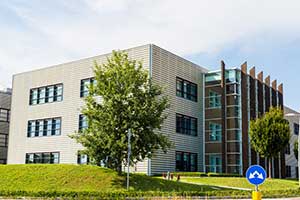 413 Main Street
Laurel, MD. 20707
301-498-5766
Price Odens ACT II Counseling Services has long been dedicated to helping individuals recovery after a period of drug and alcohol addiction. It has been doing this within Laurel, MD. and in the surrounding communities for quite some time. Price Odens ACT II Counseling Services offers services like vocational rehabilitation services, group therapy, matrix model, dialectical behavior therapy, anger management, cognitive/behavior therapy - which are all representative of their rehabilitation and treatment philosophies. Additionally, Price Odens ACT II Counseling Services believes that clients need specially tailored treatment programs to achieve recovery. This is why it offers several programs, like programs for the hearing impaired, transgender or (LGBT) clients, active duty military, substance abuse education, legal advocacy, child care for clients children - among other services listed in the following sections.
In the same way, Price Odens ACT II Counseling Services offers long term treatment centers, short term drug and alcohol rehab facilities, outpatient day treatment, inpatient drug and alcohol rehab facilities, detox programs and others. Price Odens ACT II Counseling Services has relapse prevention programs that are useful in helping clients after they complete treatment. This substance abuse treatment facility also uses treatment types that can help you achieve and maintain a full recovery.
Finally, Price Odens ACT II Counseling Services accepts cash or self-payment, private insurance, payment assistance, military insurance, state education funds, state welfare or child and family services funds, as well as others.
 8730 Cherry Lane
Laurel, MD. 20707
301-490-7995
methadone Maryland clinics glen burnie joppa laurel heroin addiction.
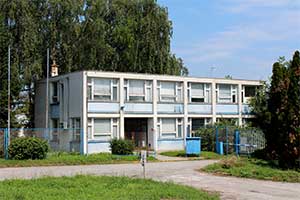 14205 Park Center Drive
Laurel, MD. 20707
301-317-5800
MPB Group Inc has long been dedicated to helping its clients recovery after a period of abusing drugs and alcohol. It has been doing this within Laurel, Maryland and in the surrounding areas for quite some time. MPB Group Inc provides services like vocational rehabilitation services, group therapy, matrix model, dialectical behavior therapy, anger management, cognitive/behavior therapy - all of which represent their treatment philosophy. In addition to, MPB Group Inc believes that clients need specially tailored treatment programs to achieve recovery. This is why it offers various programs, like programs for the hearing impaired, transgender or (LGBT) clients, active duty military, substance abuse education, legal advocacy, child care for clients children - among other services listed in the following sections.
In the same way, MPB Group Inc offers long term treatment centers, short term drug and alcohol rehabs, outpatient substance abuse counseling, inpatient drug and alcohol rehab programs, inpatient detox facilities and others. MPB Group Inc has continued recovery programs that are useful in helping clients after they complete treatment. This drug and alcohol rehab also uses treatment types that can help you create both lasting and permanent stability.
Finally, MPB Group Inc accepts private pay, private medical insurance, payment assistance, military insurance, state education funds, state welfare or child and family services funds, as well as others.
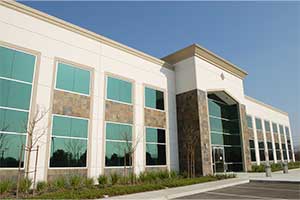 601 7th Street
Laurel, MD. 20707
410-220-0720
MATClinics has long been dedicated to assisting individuals recovery after a period of drug and alcohol addiction. It has been doing this within Laurel and in the surrounding communities for quite some time. Today, MATClinics provides services like vocational rehabilitation services, group therapy, matrix model, dialectical behavior therapy, anger management, cognitive/behavior therapy - which are all in line with their philosophy of the treatments and rehabilitation programs that work. MATClinics believes that clients need individual focus and treatment for them to find full recovery treatment. This is why it offers various programs, like programs for the hearing impaired, transgender or (LGBT) clients, active duty military, substance abuse education, legal advocacy, child care for clients children - among other services listed in the following sections.
In the same way, MATClinics offers long term rehabs, short term drug and alcohol rehab centers, outpatient substance abuse treatment services, inpatient drug and alcohol rehab programs, inpatient detoxification programs and others. MATClinics has continued recovery programs that are useful in helping clients after they check out of rehab. This drug and alcohol rehab also uses treatment methods that can help you achieve lasting sobriety.
Finally, MATClinics accepts private pay, private health insurance, payment assistance, military insurance, state education funds, state welfare or child and family services funds, as well as others.
Find Drug and Alcohol Treatment Centers in or around the following Maryland cities:
Top Cities For Recovery:
Commonly Asked Questions about Addiction and Treatment
Are some individuals genetically predisposed to drug and alcohol addiction?
Yes, research indicates that genetic factors can play a significant role in an individual's susceptibility to drug and alcohol addiction, although they are only part of the picture. It's estimated that genetics account for approximately 40-60% of a person's vulnerability to addiction, with the remaining risk coming from environmental and psychological factors.
Here's a closer look at the role of genetics in substance use disorders:
Genetic Predisposition: Certain genetic variations can influence how an individual reacts to drugs or alcohol. For example, some people might experience a more intense "high," or they might not get unpleasant side effects that deter others from continued use. These genetic differences can increase the likelihood of repeated use and, ultimately, addiction.
Co-occurring Disorders: Genetic factors can also contribute to mental health disorders such as depression, anxiety, or bipolar disorder. Individuals with these conditions are often at a higher risk for substance abuse and addiction, creating a potential link between genetic predisposition to these mental health conditions and increased risk for addiction.
Family History: A family history of addiction can indicate a possible genetic predisposition. If close relatives, such as parents or siblings, have struggled with addiction, an individual may be more likely to develop a substance use disorder. However, a family history of addiction also often comes with certain environmental factors that can increase risk, such as exposure to substance use at a young age or a lack of stable, supportive family structures.
Epigenetics: Epigenetics, or changes in gene expression due to experiences and environment, can also play a role in addiction. For instance, exposure to high levels of stress or trauma can cause changes in the way genes function, potentially increasing susceptibility to addiction.
However, it's essential to understand that while genetics can increase the risk for addiction, they do not determine destiny. Environmental factors such as exposure to drugs, family environment, peer influences, and individual resilience can heavily influence whether a person with a genetic predisposition will develop a substance use disorder. Furthermore, effective prevention and treatment strategies can help individuals at risk for or struggling with addiction to lead healthy, fulfilling lives.
Can I successfully get treatment for my addiction to alcohol on an outpatient basis?
"Yes, it is possible to successfully receive treatment for alcohol addiction on an outpatient basis. Outpatient treatment programs can be an effective and flexible option for individuals who cannot commit to inpatient or residential programs due to work, family, or other responsibilities. However, the success of outpatient treatment largely depends on the individual's motivation, support system, and the severity of their addiction. While outpatient treatment can be successful for many individuals, it may not be suitable for everyone. Those with severe alcohol addiction, a history of relapse, or co-occurring mental health disorders may require more intensive inpatient or residential treatment to ensure their safety and promote lasting recovery.
Ultimately, the success of outpatient treatment for alcohol addiction depends on the individual's commitment, the support of their family and friends, and the quality of the treatment program. It is essential to choose a reputable and evidence-based outpatient program and to be fully engaged in the recovery process for the best possible outcome."
How do you help a person afflicted with alcoholism?
Helping someone afflicted with alcoholism requires a compassionate and supportive approach. The following steps can be useful in assisting an individual struggling with alcohol addiction:
-
Educate yourself: Gain an understanding of alcoholism, its causes, symptoms, and treatment options. This will help you better empathize with the person and offer informed support.
-
Express concern: Initiate a conversation with the person in a non-confrontational manner. Express your concerns about their alcohol use and its impact on their well-being. Be patient, empathetic, and avoid judgmental language.
-
Encourage professional help: Encourage the person to seek help from a medical professional, therapist, or addiction counselor. Offer assistance in finding appropriate resources and support them in taking the first steps towards treatment.
-
Offer emotional support: Be available to listen and provide emotional support throughout the recovery process. It is essential to maintain open lines of communication and offer a safe space for the individual to share their experiences and feelings.
-
Encourage participation in support groups: Recommend joining support groups such as Alcoholics Anonymous (AA) or SMART Recovery, which provide a community of individuals with similar experiences and can offer guidance and encouragement throughout the recovery process.
-
Establish boundaries: Set clear boundaries to protect your own well-being and communicate your expectations about the person's behavior. Be firm but understanding, and make it clear that you will not enable their alcohol use.
-
Assist with lifestyle changes: Help the person develop healthier habits, such as engaging in physical activity, improving their diet, and finding alternative ways to manage stress. Offer to participate in these activities together to provide additional support and motivation.
-
Be patient: Recovery from alcoholism is a long-term process, and relapses may occur. Understand that setbacks are a part of the journey, and continue to offer support and encouragement as the person works towards sobriety.
-
Care for yourself: Supporting someone with alcoholism can be emotionally taxing. Make sure you are taking care of your own mental and emotional health by seeking support from friends, family, or professional counselors if needed.
National Non Profit Helpline - 1-877-882-9275
Our National Non Profit Helpline is a 24/7, 365-day-a-year treatment referral and information service for individuals and families faced with mental and/or substance use disorders.
All calls are strictly confidential
Our service provides referrals to licensed treatment facilities, support groups, and community-based organizations. You don't have to struggle alone with addiction. Help is just a phone call away. Call 1-877-882-9275 now to get the help you need and deserve.
1-877-882-9275






