College Park, Maryland Alcohol and Drug Rehab Programs
College Park, MD has nearby choices for addiction treatment including: 6 low cost programs, 0 inpatient drug rehab, 4 drug rehabs that take PPO insurance like Blue Cross Blue Shield, 0 detox center, 4 outpatient rehabs.
Get Help - Find a Rehab Center Today
Popular Searches for Drug and Alcohol Rehab in College Park, Maryland:
Skip To Rehab Listing
That is the reason the College Park area has 27 drug and alcohol rehab programs accessible to local residents who struggle with substance abuse. These programs serve the region's population of 31,041 no matter age or circumstances in order to make effective treatment available to anyone who is looking for it.
Drug and Alcohol Treatment Program Settings and Methods
College Park area residents who face drug and alcohol addiction issues can choose from a variety of treatment settings based upon factors such as their location and specialized needs.
Recovery settings may consist of the following: detoxification facilities, outpatient counseling, short term rehabs, long term addiction treatment facilities, inpatient addiction treatment programs.
Patients can also choose from many recovery approaches meant to provide effective services for their needs: 12-step facilitation approach, dialectical behavior therapy, substance abuse counseling approach, group therapy, motivational interviewing, vocational rehabilitation services.
Specialized Services for Addiction Recovery
Drug and alcohol addiction is not necessarily one-size-fits-all, so treatment must be varied. That is why drug and alcohol rehabilitation programs in the College Park area offer a number of special programs designed to provide a customized approach to treatment for patients. These special programs can include the following: persons with post-traumatic stress disorder, self-help groups, veterans, clients referred from the court/judicial system, domestic violence, persons who have experienced sexual abuse.
Rehab Payment Alternatives
Patients often put off rehabilitation because of concerns about money. However, drug and alcohol rehab centers make a variety of financing alternatives available to patients in order to help with their financial needs and improve opportunities for treatment. Some of these options are included here: private insurance, cash or self-payment, medicare, medicaid, sliding fee scale, state corrections or juvenile justice funds, other state funds.
Drug and alcohol addiction treatment is accessible for College Park, Maryland residents through many different programs, methods, and financing options that put sustained recovery within reach.
Dr. Gina M Jansheski, M.D.

Dr. Po-Chang Hsu, M.D., M.S.

Renee Warmbrodt, RN, MSN, CPNP-PC

Addiction Treatment Centers Serving the College Park, Maryland Area:
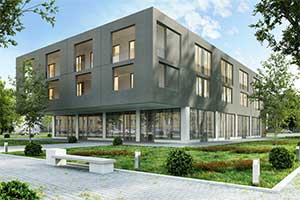 7100 Baltimore Avenue
College Park, MD. 20742
301-209-9200
Like other drug and alcohol rehab facilities, Ryan Rehabilitation LLC is committed to ongoing recovery for drug and alcohol addicts living in the College Park area. As such, this alcohol and drug rehab program has been offering services like 12-step facilitation approach, dialectical behavior therapy, substance abuse counseling approach, group therapy, motivational interviewing, vocational rehabilitation services and more, which is in line with its philosophy of the treatments that actually work to help addicts recover from their condition (s).
In Addition, Ryan Rehabilitation LLC thinks that it is important that its patients receive individualized care to ensure that they are successful. This is why it specializes in various programs such as persons with post-traumatic stress disorder, self-help groups, veterans, clients referred from the court/judicial system, domestic violence, persons who have experienced sexual abuse and many other modes of treatment that you can find listed in the following section. Each of the services that Ryan Rehabilitation LLC offers are also available in different settings - outpatient detox facilities, outpatient substance abuse treatment services, short term rehab programs, long term addiction treatment facilities, inpatient rehabs and more.
This rehab also has aftercare planning that can help you achieve lasting sobriety in the long term. Finally, Ryan Rehabilitation LLC accepts private insurance, cash or self-payment, medicare, medicaid, sliding fee scale, state corrections or juvenile justice funds, other state funds and others.
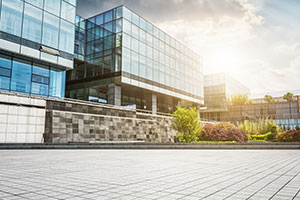 6201 Greenbelt Road
College Park, MD. 20740
301-345-1919
Like other drug and alcohol treatment facilities, University Psychological Center Inc is dedicated to ongoing recovery for alcohol and drug abusers living in College Park, Maryland and within the surrounding region. As such, this drug and alcohol rehab center has been providing services like 12-step facilitation approach, dialectical behavior therapy, substance abuse counseling approach, group therapy, motivational interviewing, vocational rehabilitation services and more.
Further, University Psychological Center Inc believes that it is important that its patients receive individualized care to make sure that they get effective results. This is why it specializes in several programs such as persons with post-traumatic stress disorder, self-help groups, veterans, clients referred from the court/judicial system, domestic violence, persons who have experienced sexual abuse and many other modes of treatment that you can find listed below. Each of the services that University Psychological Center Inc offers are also available in different settings - detox centers, outpatient day treatment, short term drug addiction treatment, long term addiction treatment facilities, inpatient drug addiction treatment and more.
This rehab also has aftercare planning and other treatment methods that can help you find permanent and lasting sobriety both in the short and in the long term. Finally, University Psychological Center Inc accepts private medical insurance, private pay, medicaid, medicare, sliding fee scale, state corrections or juvenile justice funds, other state funds and others.
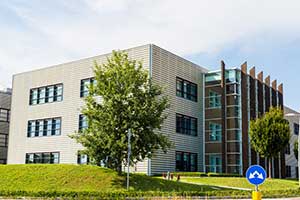 4920 Niagara Road
College Park, MD. 20740
301-446-3070 x102
Setif, Inc. serves College Park, Maryland by providing Substance Abuse and Mental Health Treatment programs.
Utopia Health Center (UHC)
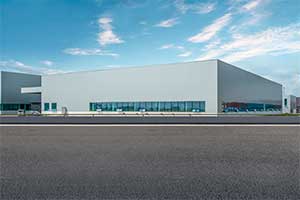 7325 Hanover Parkway
Greenbelt, MD. 20770
301-220-2842
Utopia Health Center (UHC) is 2.7 miles from College Park, MD
Like other alcohol and drug rehabilitation programs, Utopia Health Center (UHC) is dedicated to ongoing recovery for alcohol and drug abusers living in the College Park area. As such, this addiction treatment center has been providing services like 12-step facilitation approach, dialectical behavior therapy, substance abuse counseling approach, group therapy, motivational interviewing, vocational rehabilitation services and more.
Further, Utopia Health Center (UHC) thinks that it is essential that its clients receive individual focus and services to ensure that they get effective results. They specialize in various programs such as persons with post-traumatic stress disorder, self-help groups, veterans, clients referred from the court/judicial system, domestic violence, persons who have experienced sexual abuse and many other modes of treatment that you can find listed below. These services that Utopia Health Center (UHC) provides are also available in a variety of settings - outpatient detoxification centers, intensive outpatient treatment, short term drug rehab centers, long term drug and alcohol rehabs, inpatient drug addiction treatment and more.
This rehab also has aftercare planning that can help you find lasting stability in the long term. Finally, Utopia Health Center (UHC) accepts private medical insurance, cash or self-payment, medicare, medicaid, sliding fee scale, state corrections or juvenile justice funds, other state funds and others.
Find Drug and Alcohol Treatment Centers in or around the following Maryland cities:
Top Cities For Recovery:
Commonly Asked Questions about Addiction and Treatment
What can I do to help someone addicted to drugs?
Learn about addiction: Educate yourself on drug addiction, its causes, symptoms, and treatment options. This knowledge will help you better understand the person's struggles and provide informed support.
-
Approach with empathy: Start a conversation with the person about their drug use in a non-judgmental and empathetic manner. Express your concerns for their well-being and the impact of their drug use on their life.
-
Encourage professional help: Encourage the person to seek professional assistance from a medical professional, therapist, or addiction counselor. Offer to help them find suitable resources and provide support as they take steps towards treatment.
-
Offer emotional support: Be available to listen and provide emotional support throughout the recovery process. Maintain open communication and offer a safe space for the individual to share their experiences and feelings.
-
Suggest support groups: Recommend joining support groups such as Narcotics Anonymous (NA) or SMART Recovery, which provide a community of individuals with similar experiences and offer guidance and encouragement throughout the recovery process.
-
Set boundaries: Establish clear boundaries to protect your own well-being and communicate your expectations about the person's behavior. Be firm yet compassionate, making it clear that you will not enable their drug use.
-
Assist with lifestyle changes: Help the person develop healthier habits, such as engaging in physical activity, improving their diet, and finding alternative ways to manage stress. Offer to participate in these activities together to provide additional support and motivation.
-
Be patient: Recovery from drug addiction is a long-term process, and relapses may occur. Understand that setbacks are part of the journey, and continue to offer support and encouragement as the person works towards sobriety.
-
Care for yourself: Supporting someone with drug addiction can be emotionally taxing. Ensure you are taking care of your own mental and emotional health by seeking support from friends, family, or professional counselors if needed.
Why do drug addicts do what they do?
"People with substance use disorders engage in their behavior for various reasons, often complex and interconnected. Understanding these reasons is crucial to treating addiction. Here are some common factors:
Pleasure Seeking: Drugs often produce intense feelings of pleasure, euphoria, or relief from pain. The initial high can be so powerful that individuals continue using the substance to experience that feeling again.
Escape or Self-Medication: Many people use drugs as a way to escape from reality or cope with difficult feelings, trauma, stress, or mental health conditions such as anxiety, depression, or PTSD. Drugs can temporarily dull these feelings, but they do not address the root cause of the distress.
Physical Dependence: Over time, the body can develop a physical dependence on the substance, requiring it to function normally. Without the substance, the individual may experience unpleasant or even life-threatening withdrawal symptoms.
Psychological Dependence: Even after physical dependence is managed, psychological cravings can persist. The desire to use drugs can become a powerful mental urge that dominates a person's thoughts and behaviors.
Peer Pressure or Social Influence: The influence of friends or social circles where drug use is common can encourage initial use or ongoing abuse of drugs.
Genetic Factors and Early Exposure: Genetics can play a role in vulnerability to addiction, as can exposure to drugs at a young age or in the prenatal period.
Lack of Coping Mechanisms: Without healthy coping strategies for life's stresses and challenges, some people turn to drugs as a way of dealing with these issues.
Changes in Brain Function: Long-term substance use can lead to changes in the brain that result in increased cravings and decreased ability to resist drug use, despite harmful consequences.
What is a typical day like in an inpatient drug rehab?
Inpatient drug rehab provides a structured environment for individuals recovering from substance use disorders. The specific details of a typical day can vary between facilities, but most will follow a general schedule that includes therapeutic activities, meals, free time, and sleep. Here's a rough outline of what a day in an inpatient rehab might look like:
Morning:
- Wake Up: Residents typically wake up early to start their day. Some facilities may offer morning activities like yoga or meditation to help residents start their day in a calm and mindful way.
- Breakfast: A healthy meal is provided to start the day. This is also a time for social interaction with other residents.
- Group Therapy or Counseling: After breakfast, residents often participate in a group therapy session. This could be a general therapy session or a specific type of therapy such as Cognitive Behavioral Therapy (CBT) or Dialectical Behavior Therapy (DBT).
Afternoon:
- Lunch: After morning therapy sessions, residents will have lunch, often followed by a short break.
- Therapies: The afternoon is typically filled with various therapeutic activities. These could include individual counseling, specialized therapies (like art or music therapy), or educational sessions about addiction and recovery.
Evening:
- Dinner: In the evening, residents will have dinner, which, like all meals in rehab, is typically designed to promote overall health and wellness.
- Evening Group Session: Many rehab centers host an evening group session, which might be a support group, a 12-step meeting, or another form of group therapy.
- Free Time: After the day's structured activities, residents usually have some free time. They might use this time to relax, read, journal, or socialize with other residents.
- Bedtime: To ensure adequate rest, lights-out times are typically enforced.
Throughout the day, residents may also have scheduled times for medication (if applicable), physical exercise, and meeting with their treatment team. The goal of this structured daily routine is to provide a stable, supportive environment that promotes healing and recovery.
It's important to note that the exact schedule and types of activities will vary between different rehab centers and individual treatment plans. When choosing a rehab center, it can be helpful to ask about the daily schedule and types of therapies offered to ensure it aligns with your needs and preferences.
National Non Profit Helpline - 1-877-882-9275
Our National Non Profit Helpline is a 24/7, 365-day-a-year treatment referral and information service for individuals and families faced with mental and/or substance use disorders.
All calls are strictly confidential
Our service provides referrals to licensed treatment facilities, support groups, and community-based organizations. You don't have to struggle alone with addiction. Help is just a phone call away. Call 1-877-882-9275 now to get the help you need and deserve.
1-877-882-9275





