

341 Doucet Road
Lafayette, LA. 70503
337-234-0830
Lafayette, LA has various treatment options: 5 medicaid programs, 3 inpatient rehabs, 5 drug rehabs that take PPO insurance like Blue Cross Blue Shield, 3 detox centers, 6 outpatient treatment programs.

For help finding an addiction treatment center, Call us!
All calls are 100% confidential and free
1-877-882-9275You can now filter our treatment results to show you tailored rehab programs that fit your exact needs. Just choose the type of treatment you are looking for, a payment type such as private insurance or low cost, and any specialized treatment approach you are interested in. Click submit and we will provide a list of alcohol and drug rehab centers that match your criteria.




Lafayette Behavioral Health Unit provides recovery care and rehabilitation services such as long term drug and alcohol rehabs, short term drug rehab centers, inpatient rehab facilities, outpatient detoxification programs, outpatient substance abuse treatment services, and others to clients living in the Lafayette, LA. area so that they conquer their drug and alcohol use issues and find full recovery. It has services - such as group therapy, couple/family therapy, vocational rehabilitation services, behavior modification, cognitive/behavior therapy, brief intervention approach, and others - which follow its philosophy of the programs that work most effectively. This is because Lafayette Behavioral Health Unit knows that complete sobriety can only be achieved through highly personalized care.
In addition, the drug and alcohol rehab facility specializes in many other programs - like clients referred from the court/judicial system, residential beds for client's children, substance abuse education, domestic violence, veterans, housing services and more - as well as many other treatment modalities that you can find listed below. Further, this drug and alcohol rehabilitation program has aftercare programs that work in line with its treatment methods to make sure that individuals achieve full, lasting, and permanent abstinence and sobriety from drugs and alcohol.
Lastly, Lafayette Behavioral Health Unit accepts cash or self-payment, private medical insurance, payment assistance, sliding fee scale, state education funds, state welfare or child and family services funds, and more.
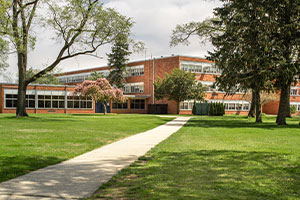
Acadiana Recovery Center provides addiction care and rehabilitation services such as long term drug and alcohol rehab facilities, short term rehab facilities, inpatient addiction treatment centers, outpatient detoxification facilities, outpatient counseling, and others to clients living in the Lafayette, LA. area so that they conquer their drug and alcohol abuse disorders and find full recovery. It has services - such as group therapy, couple/family therapy, vocational rehabilitation services, behavior modification, cognitive/behavior therapy, brief intervention approach, and others - which follow its philosophy of the programs that work most effectively. This is because Acadiana Recovery Center knows that full sobriety can only be achieved through highly individualized care.
Further, the alcohol and drug treatment program specializes in many other programs - like clients referred from the court/judicial system, residential beds for client's children, substance abuse education, domestic violence, veterans, housing services and more - as well as many other treatment modalities that you can find listed below. Further, this drug and alcohol treatment program has aftercare plans that work in line with its treatment modalities to make sure that clients achieve and maintain permanent, full, and lasting abstinence and sobriety from alcohol and drugs.
Lastly, Acadiana Recovery Center accepts private pay, private insurance, payment assistance, sliding fee scale, state education funds, state welfare or child and family services funds, and more.


Lake Wellness Center provides addiction care and rehab services such as long term drug abuse treatment, short term drug addiction treatment, inpatient drug and alcohol rehab facilities, outpatient detoxification centers, outpatient hospital programs, and others to people living in the Lafayette, LA. area so that they conquer their drug and alcohol use disorders and find full recovery. It has services - such as group therapy, couple/family therapy, vocational rehabilitation services, behavior modification, cognitive/behavior therapy, brief intervention approach, and others - which follow its philosophy of the programs that work most effectively. This is because Lake Wellness Center knows that full sobriety can only be achieved through highly individualized and personalized care.
Further, the alcohol and drug rehab specializes in many other programs - like clients referred from the court/judicial system, residential beds for client's children, substance abuse education, domestic violence, veterans, housing services and more - as well as many other treatment modalities that you can find listed below. Further, this substance abuse treatment facility has aftercare programs that work in line with its treatment modalities to ensure that clients achieve and maintain permanent, full, and lasting sobriety, stability, and abstinence from drugs and alcohol.
Lastly, Lake Wellness Center accepts cash or self-payment, private insurance, payment assistance, sliding fee scale, state education funds, state welfare or child and family services funds, and more.


Acadiana Area Human Servs District provides addiction care and rehabilitation services such as long term drug and alcohol rehab programs, short term rehab centers, inpatient drug and alcohol rehab facilities, detox centers, outpatient individual counseling, and others to clients living in Lafayette, Louisiana and its surrounding areas so that they conquer their substance use issues and find full sobriety. It has services - such as group therapy, couple/family therapy, vocational rehabilitation services, behavior modification, cognitive/behavior therapy, brief intervention approach, and others - which follow its philosophy of the programs that work most effectively. This is because Acadiana Area Human Servs District knows that full sobriety can only be achieved through highly individualized and personalized care.
Further, the alcohol and drug rehab program specializes in many other programs - like clients referred from the court/judicial system, residential beds for client's children, substance abuse education, domestic violence, veterans, housing services and more - as well as many other treatment methods that you can find listed below. Further, this alcohol and drug rehab program has aftercare plans that work in line with its treatment methods to ensure that clients achieve permanent, full, and lasting abstinence and sobriety from alcohol and drugs.
Lastly, Acadiana Area Human Servs District accepts private pay, private insurance, payment assistance, sliding fee scale, state education funds, state welfare or child and family services funds, and more.
People may abuse addictive substances for a variety of reasons, often involving a complex interplay of biological, psychological, and social factors. Here are some common reasons:
Biological Factors: Certain individuals may be genetically predisposed to addiction. This could involve inherited traits that affect the way substances interact with their brain or influence their susceptibility to mental health disorders, which can increase the risk of substance abuse.
Psychological Factors: Many people turn to addictive substances as a way to cope with mental health issues such as depression, anxiety, or post-traumatic stress disorder. Substance use may provide temporary relief from these conditions, though in the long term it often exacerbates them.
Social Factors: Peer pressure, especially among young people, can lead to substance abuse. If an individual is in an environment where drug or alcohol use is common, they may feel compelled to partake in order to fit in.
Environmental Factors: Stressful or traumatic environments can increase the risk of substance abuse. This can include living in poverty, experiencing abuse or neglect, or being exposed to violence.
Curiosity and Experimentation: Particularly among adolescents and young adults, the desire to try new experiences can lead to substance use.
Self-Medication: Some people use substances to self-medicate physical pain. For example, the opioid crisis has been fueled in part by individuals who initially used prescription opioids to manage pain and then developed an addiction.
Escapism: People may use substances to escape their reality, numb emotional pain, or simply to feel good. Addictive substances often provide a temporary sense of euphoria or relaxation, which can be enticing.
Co-occurring Disorders: Individuals with co-occurring mental health disorders are at a significantly higher risk of substance use disorders. This is because these individuals might use substances as a form of self-medication.
Alcoholism, or Alcohol Use Disorder (AUD), can lead to liver damage over time as the liver struggles to process excessive amounts of alcohol. Liver damage due to alcoholism can manifest in various ways, with signs ranging from mild to severe. Some common signs of liver damage from alcoholism include:
It is important to seek medical attention if you or someone you know is experiencing signs of liver damage from alcoholism. Early diagnosis and intervention can help prevent further damage and improve the chances of recovery. Treatment may include abstaining from alcohol, making lifestyle changes, and addressing any underlying health conditions contributing to liver damage.
Opioid withdrawal can be a challenging process that presents both physical and psychological symptoms. These symptoms can range from mild to severe, depending on factors like the type of opioid used, the duration and intensity of use, individual health status, and genetic factors. Here are common symptoms that might be experienced during opioid withdrawal:
Physical Symptoms:
Psychological Symptoms:
These symptoms can begin as early as a few hours after the last dose of the opioid and typically peak within 72 hours, though they may persist for a week or more. Post-acute withdrawal symptoms, which are primarily psychological, can continue for weeks or even months.
It's important to note that while opioid withdrawal can be extremely uncomfortable, it is generally not life-threatening. However, complications like severe dehydration due to vomiting and diarrhea can occur, which is why medical supervision is recommended during the withdrawal process. Furthermore, the risk of relapse is high during withdrawal, and using opioids again after a period of abstinence can lead to a potentially fatal overdose, as tolerance may have decreased.
National Non Profit Helpline - 1-877-882-9275
Our National Non Profit Helpline is a 24/7, 365-day-a-year treatment referral and information service for individuals and families faced with mental and/or substance use disorders.
All calls are strictly confidential
Our service provides referrals to licensed treatment facilities, support groups, and community-based organizations. You don't have to struggle alone with addiction. Help is just a phone call away. Call 1-877-882-9275 now to get the help you need and deserve.



© Copyright 1998 - 2022 All Rights Reserved. Content is protected under copyright laws, do not use content without written permission.


