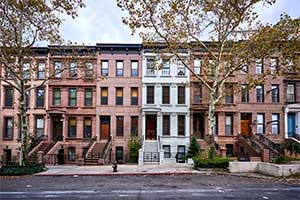


North Miami Beach, Florida
North Miami Beach, FL Profile
North Miami Beach, FL, population 40,786 , is located
in Florida's Miami-Dade county,
about 5.5 miles from Hollywood and 6.2 miles from Pembroke Pines.
In the 90's the population of North Miami Beach has grown by about 15%.
It is Estimated in recent years the population of North Miami Beach has been declining at an annual rate of less than one percent.
Reports show that during 2003 property crime levels in the North Miami Beach area were higher than Florida's average.
The same data shows violent crime levels to be higher than the Florida average.
North Miami Beach Statistics
North Miami Beach Gender Information
Males in North Miami Beach: 19,499 (48%)
Females in North Miami Beach: 21,287 (52%)
As % of Population in North Miami Beach
Race Diversity in North Miami Beach
White: 47%
African American: 39%
Asian: 4%
Other/Mixed: 10%
As % of Population in North Miami Beach
Age Diversity in North Miami Beach
Median Age in North Miami Beach: 34.5 (Males in North Miami Beach: 32.8, Females in North Miami Beach: 35.9)
North Miami Beach Males Under 20: 16%
North Miami Beach Females Under 20: 15%
North Miami Beach Males 20 to 40: 14%
North Miami Beach Females 20 to 40: 15%
North Miami Beach Males 40 to 60: 12%
North Miami Beach Females 40 to 60: 14%
North Miami Beach Males Over 60: 6%
North Miami Beach Females Over 60: 9%
Economics in North Miami Beach
North Miami Beach Household Average Size: 2.89 people
North Miami Beach Median Household Income: $ 31,377
North Miami Beach Median Value of Homes: $ 86,900
Law Enforcement in North Miami Beach
Reported crimes in the North Miami Beach area during 2003:
Murder and non-negligent man-slaughter: 1
Forcible rape: 29
Robbery: 219
Aggravated assault: 218
Violent crime events per 100,000 people: 1,123
Burglary: 704
Larceny-theft: 1,379
Motor vehicle theft: 354
Arson: 7
Property crime events per 100,000 people: 5,859
North Miami Beach Location Information
Elevation: 10 feet above sea level.
Land Area: 5.0 Square Miles.
Water Area: 0.3 Square Miles.
Nearby Towns & Cities to North Miami Beach
Ojus 1.3 Miles
Aventura 2.2 Miles
Ives Estates 2.2 Miles
Sunny Isles Beach 2.8 Miles
Golden Glades 2.8 Miles
Norland 3.3 Miles
Lake Forest 3.3 Miles
North Miami 3.3 Miles
Golden Beach 3.3 Miles
Hallandale 3.4 Miles
Big Cities Nearest North Miami Beach
(Population 100,000+)
Hollywood 5.5 Miles
Pembroke Pines 6.2 Miles
Hialeah 8.9 Miles
Miami 11.2 Miles
Ft Lauderdale 13.1 Miles
Coral Springs 24.3 Miles
Cape Coral 119.1 Miles
Orlando 195.1 Miles
Tampa 198.6 Miles
St Petersburg 200.7 Miles
|
Facts
While the current focus of public attention is on the use and production of methamphetamine, it should be noted that both the production and use of this drug are closely associated with other synthetic drugs. An analysis of 175 samples of chemical drugs seized from raves in 2004 in BC showed that most (54%) samples of ecstasy contained methamphetamine, usually in addition to MDMA and/or MDA. The methamphetamine in these cases had been added deliberately to enhance the effect of the ecstasy dose. A similar analysis of 165 samples seized at raves in 2005, showed that 76% of the ecstasy samples contained methamphetamine. This information, while limited, seems to suggest that cross-contamination is not only common but increasing in frequency. In 1998, National Household Survey on Drug Abuse reported that an estimated 13.6 million Americans were users of illicit drugs. Although this number is slightly less than the 13.9 million estimates for 1997, it said the difference is not statistically significant. 9.9 percent of youths age 12-17 engage in teen drug abuse. This estimate represents a statistically significant decrease from the estimate of 11.4 percent in 1997.) By late 1980, however, the flood of heroin from Pakistan and Afghanistan captured 60 percent of the US market and brought a renewed heroin crisis. As heroin-related injuries climbed 25 percent during the year, the US addict population climbed back to 450,000. With an estimated production of 1,600 tons, South West Asia's opium crop was three times larger than the 450 tons that the Golden Triangle had produced in its last good year, 1977-1978. Age 15 is the critical threshold. As teens age, their proximity to drugs increases and their antipathy to drugs decreases. Drugs become perceived to be more benign, less of a “big deal”; they are ubiquitous, easier to get; there is less fear of using drugs, and such behavior comes to be regarded as “normal.” These changes occur continuously from ages 12 to 17, increasing the teen’s risk of drug and substance abuse the older he or she gets. But there is a clear difference in the data between the pattern of responses of those 14 and under, and those 15 and older. This is the threshold age—roughly coinciding with the start of high school—at which all the risk indicators take a jump. One implication of this finding is that we have to talk to teens of different ages in different ways. This may seem like an obvious point, but the decision to use illegal drugs will probably be made between ages 15–17, and discouraging drug use at these ages is a very different task from trying to inoculate a 12-yearold. Further, there is no reason provided by our data to be sanguine about the power of a broad drug inoculation strategy aimed at younger kids. There is no silver bullet here: fighting drug use is street warfare, requiring constant vigilance and activism. |
Addiction Treatment
Addiction treatment is needed when an individual finds that they have developed a drug or alcohol addiction which they are not able to successful end on their own. With the help of addiction treatment, addicted individual can get help to control their drug taking behavior and live happy and successful lives. There are several addiction treatment options available for drug and alcohol addiction. Some of these options include self-help groups, counseling, drug rehabilitation programs (in and out-patient), and residential treatment facilities. Each of these differ
in their aims and outcomes and elements of these addiction treatment options are often
combined.
Therapeutic Community
An effective therapeutic community attends to the many needs of the individual, not just his or her drug use. Care given at a therapeutic community addresses the individual's drug use and associated medical, psychological, social, vocational, and legal problems. Also, a therapeutic community will continue to be flexible and provide ongoing assessments of the individual's needs, which may change during the course of care.
Remaining in care at a therapeutic community for an adequate period of time is critical for treatment effectiveness. The time depends on an individual's needs. For most people, the significant improvement is reached at about 3 months in treatment.
Tolerance
Tolerance to a drug takes place when an individual is exposed to the same drug repeatedly and begins to build up an resistance to the drugs effects. The body then adapts and develops a tolerance for the drug. The addiction that is produced is so powerful that it creates cravings in the user. These cravings for the drug are the result of its impact on the individual's memory with feelings of pleasantness and euphoria which the individual has come to associate with the taking of the drug.
Drug Rehabilitation
Drug rehabilitation is a place or program that an individual enters to treat a drug or alcohol addiction. Through therapy and education, the individual is restored to their former non-drug using self. They are then able to re-enter society clean and sober. There are many reasons why a person would need to attend a drug rehabilitation program. Some of the many reasons are: the inability to control their drinking or drug use, alienating their friends and family, problems with the law, and problems at work. Also, there are several different types of drug rehabilitation programs available: inpatient, outpatient, residential, short-term, and long-term.
Alcoholism
Alcoholism, also known as "alcohol dependence," is a condition that includes craving and continued alcohol abuse despite repeated drinking-related problems, such as losing a job or getting into trouble with the law. It includes four major areas: Craving: - A strong need, or compulsion, to drink. Impaired control: -The inability to limit one's drinking on any given occasion. Physical dependence: -Withdrawal symptoms, such as nausea, sweating, shakiness, and anxiety, when alcohol use is stopped after a period of heavy drinking. Tolerance: - The need for increasing amounts of alcohol in order to feel its effects.
|
|

To Find Drug Rehab and Treatment Centers in North Miami Beach
Call toll free


North Miami Beach Drug Rehab and
Alcohol Addiction Treatment Information
|