Alcohol and Drug Rehabilitation Programs in Claymont, DE
Claymont, DE has several nearby treatment choices including: 3 medicare programs, 0 inpatient rehab center, 3 drug rehabs that take PPO insurance like BCBS, 0 drug and alcohol detox, 3 outpatient rehabs.
Get Help - Find a Rehab Center Today
Popular Searches for Drug and Alcohol Rehab in Claymont, Delaware:
Skip To Rehab Listing
However, for those struggling with alcohol and drug abuse problems, Claymont can also offer resources in the form of 27 addiction treatment centers intended to support patients in their treatment.
Alcohol and Drug Treatment Approaches and Settings
Claymont area residents who have a problem with alcohol and drug abuse have multiple rehab settings available to them, such as the following: outpatient substance abuse counseling, inpatient addiction treatment facilities, outpatient detox facilities, long term addiction treatment centers, short term drug and alcohol rehab centers.
These rehabilitation programs make substance abuse treatment easy to obtain, with convenient locations and several different treatment approaches from which to choose, including those listed here: trauma-related counseling, rational emotive behavioral therapy, brief intervention approach, 12-step facilitation approach, relapse prevention, matrix model.
Special Programs for Drug and Alcohol Recovery
Drug and alcohol addiction affects every person differently. In order to accommodate these differences and provide more tailored treatment, drug and alcohol rehab programs in Claymont offer several special programs for [patients such as: child care for clients children, domestic violence, persons with serious mental illness, co-occurring mental and substance abuse disorders, suicide prevention services, substance abuse education.
Clients who feel they may benefit from these special programs can explore them with the rehab facility to receive support that is designed to increase the likelihood of lasting sobriety.
Treatment Payment Alternatives
Residents of Claymont come from differing economic circumstances, making it vital for rehab programs to deliver many payment options that put recovery within financial reach. Patients can expect to get financing options at close by drug and alcohol rehab centers such as the following: private pay, private insurance, military insurance, medicaid, medicare, access to recovery (atr) voucher, state welfare or child and family services funds.
Regardless of a client's economic situation, finances should not be an obstacle to recovery. Drug and alcohol treatment facilities guide individuals through their payment alternatives and help them find a way to afford their treatment.
The desired outcome of multiple treatment centers, methods, programs, and payment options is that treatment for drug and alcohol addiction is possible for as many individuals who really need it.
Dr. Gina M Jansheski, M.D.

Dr. Po-Chang Hsu, M.D., M.S.

Renee Warmbrodt, RN, MSN, CPNP-PC

Drug and Alcohol Rehabs Serving the Claymont, Delaware Area:
 3301 Green Street
Claymont, DE. 19703
302-798-9555
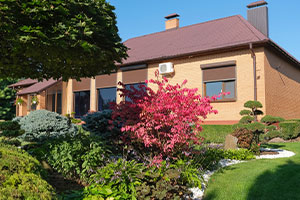
Open Door Claymont is dedicated to assisting anyone with an alcohol or drug abuse issue in Claymont and its surrounding areas find full recovery. It provides several services - such as outpatient individual counseling, inpatient treatment facilities, detoxification programs, long term rehab facilities, short term rehabs and others - in line with its philosophy of the recovery treatment and rehabilitation methods that are effective in recovery. This drug and alcohol rehab center also believes that clients need individual treatment and care to be able to maintain their sobriety.
As such, Open Door Claymont specializes in trauma-related counseling, rational emotive behavioral therapy, brief intervention approach, 12-step facilitation approach, relapse prevention, matrix model and more. At the same time, it accepts patients who are child care for clients children, domestic violence, persons with serious mental illness, co-occurring mental and substance abuse disorders, suicide prevention services, substance abuse education, and others. This drug and alcohol rehab center uses treatment methods that can help patients to achieve abstinence from the substances abused in the past.
In terms of payment, clients in Open Door Claymont can pay for services using cash or self-payment, private medical insurance, military insurance, medicaid, medicare, access to recovery (atr) voucher, state welfare or child and family services funds and others.
 590 Naamans Road
Claymont, DE. 19703
833-886-2277
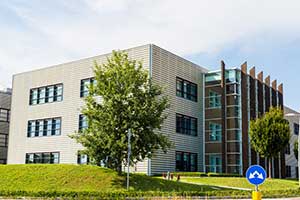
Connections CSP Inc is committed to assisting any person with a drug or alcohol use issue in the local community find full recovery. It provides several programs - such as outpatient hospital programs, inpatient treatment facilities, detoxification centers, long term drug rehab programs, short term treatment centers and others - in line with its philosophy of the recovery treatment and rehabilitation methods that are effective in recovery. This substance abuse treatment center also believes that clients need individual treatment and care to be able to maintain their sobriety.
As such, Connections CSP Inc has specialized in trauma-related counseling, rational emotive behavioral therapy, brief intervention approach, 12-step facilitation approach, relapse prevention, matrix model and more. At the same time, it accepts clients who are child care for clients children, domestic violence, persons with serious mental illness, co-occurring mental and substance abuse disorders, suicide prevention services, substance abuse education, and others. This alcohol and drug treatment program uses treatment methods that can assist patients to achieve sobriety and abstinence from the substances of abuse that they have used in the past.
In terms of payment, clients in Connections CSP Inc can pay for services using cash or self-payment, private medical insurance, military insurance, medicaid, medicare, access to recovery (atr) voucher, state welfare or child and family services funds and others.
 3301 Green Street
Claymont, DE. 19703
302-307-1300
Road To Recovery is dedicated to helping any person with a drug or alcohol use disorder in Claymont and its surrounding areas find full recovery. It provides several services - such as outpatient counseling, inpatient rehab programs, inpatient detox facilities, long term drug and alcohol rehab centers, short term drug and alcohol rehab programs and others - in keeping with its belief of the recovery treatment and rehabilitation modalities that work in recovery. This drug and alcohol rehab also believes that people require individual care to be able to stop abusing drugs and alcohol.
As such, Road To Recovery specializes in trauma-related counseling, rational emotive behavioral therapy, brief intervention approach, 12-step facilitation approach, relapse prevention, matrix model and more. At the same time, it accepts patients who are child care for clients children, domestic violence, persons with serious mental illness, co-occurring mental and substance abuse disorders, suicide prevention services, substance abuse education, and others. This addiction treatment center uses care modalities that can help patients to maintain sobriety from the substances of abuse that they have used in the past.
In terms of payment, clients in Road To Recovery can pay for services using cash or self-payment, private insurance, military insurance, medicare, medicaid, access to recovery (atr) voucher, state welfare or child and family services funds and others.
 2999 Philadelphia Pike
Claymont, DE. 19703
302-792-0700 x106
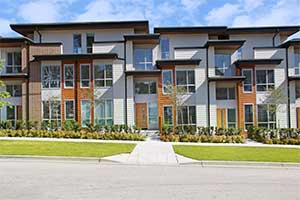
Claymont Comprehensive Treatment Center offers a methadone maintenance program for opiate addiction, with doctors providing rehab & detox for withdrawals in our clinic.
Find Drug and Alcohol Treatment Centers in or around the following Delaware cities:
Top Cities For Recovery:
Commonly Asked Questions about Addiction and Treatment
How to help someone that is detoxing from opioids?
Helping someone detoxing from opioids is a delicate process that requires careful attention, support, and understanding. Here are some ways you can assist:
Encourage Professional Help: Detoxing from opioids should ideally be done under the supervision of healthcare professionals. Encourage them to seek professional help, as this ensures their safety throughout the process and provides them with the best chance for successful recovery.
Learn About Opioid Withdrawal: Understanding the process of opioid withdrawal can help you be more empathetic and supportive. Symptoms can include anxiety, restlessness, insomnia, and flu-like symptoms such as sweating and diarrhea. Also, be aware of Post-Acute Withdrawal Syndrome (PAWS), which can present psychological symptoms like mood swings and depression for weeks or months after the initial detox period.
Provide Emotional Support: Be patient, understanding, and supportive. Listen to them, be there for them, and reassure them that they're not alone in this process. Avoid shaming or blaming, which can increase feelings of guilt and discourage recovery efforts.
Support Their Treatment Plan: Help them stick to their treatment plan. This could involve driving them to appointments, ensuring they take prescribed medications, or helping them manage their schedule to accommodate therapy or support group meetings.
Promote Healthy Habits: Encourage them to eat healthily, exercise, and get enough sleep. These habits can help strengthen their physical health and resilience during detox and recovery.
Limit Triggers: Help create an environment that minimizes triggers for drug use. This might involve clearing out substances and paraphernalia, or avoiding places or people associated with drug use.
Join a Support Group: Consider attending a support group for friends and family members of people with substance use disorders, such as Nar-Anon. These groups can offer valuable advice, resources, and support for you as you help your loved one.
Take Care of Yourself: Supporting someone through detox can be emotionally demanding. Make sure to take care of your own mental and physical health, too. Self-care isn't selfish�''it's crucial for you to be able to provide sustained support to your loved one.
What is the 12 step method for treating addiction?
"The 12-step method for treating addiction is a structured, peer-based approach that originated with Alcoholics Anonymous (AA) in the 1930s. Since then, it has been adapted for various other substance use disorders and behavioral addictions, including Narcotics Anonymous (NA), Gamblers Anonymous (GA), and Overeaters Anonymous (OA), among others. The method is based on a set of guiding principles, known as the 12 steps, that outline a path to recovery, personal growth, and spiritual development.
The 12 steps of the method are as follows:
- Admitting powerlessness over the addiction and recognizing that one's life has become unmanageable.
- Believing that a higher power (interpreted by each individual according to their beliefs) can restore sanity and provide support in recovery.
- Deciding to turn one's will and life over to the care of the higher power.
- Conducting a thorough and honest moral inventory of oneself.
- Admitting to oneself, the higher power, and another person the exact nature of one's wrongs and shortcomings.
- Being ready to have the higher power remove these defects of character.
- Humbly asking the higher power to remove one's shortcomings.
- Making a list of all the people harmed by one's addiction and being willing to make amends to them.
- Making direct amends to those harmed, whenever possible, except when doing so would cause harm to them or others.
- Continuing to take personal inventory and promptly admitting when one is wrong.
- Seeking to improve one's conscious contact with the higher power through prayer and meditation, asking for knowledge of the higher power's will and the strength to carry it out.
- Having experienced a spiritual awakening as a result of these steps, carrying the message to others struggling with addiction and practicing these principles in all aspects of life.
The 12-step method emphasizes the importance of peer support, mutual aid, and the sharing of personal experiences as a means of overcoming addiction. Participants typically attend regular meetings, where they share their stories, listen to others, and work through the steps at their own pace. Many 12-step programs also encourage members to find a sponsor, an experienced member who has worked through the steps and can provide guidance, support, and accountability during the recovery process."
Is substance abuse recovery a life long process?
Substance abuse recovery is often described as a lifelong process. This is due to the chronic nature of addiction, which is a brain disease characterized by compulsive drug seeking and use, despite harmful consequences. Like other chronic illnesses such as diabetes or heart disease, addiction often requires long-term or repeated care to manage symptoms and prevent relapse.
Here are key reasons why recovery is often a lifelong process:
- Changes in Brain Function: Substance use can cause long-lasting changes in the brain that persist even after the substance is no longer used. These changes can lead to cravings or triggers for drug use, which can potentially lead to relapse.
- Behavioral Changes: Substance use often involves habits and behaviors that become deeply ingrained over time. Changing these behaviors and developing new, healthier habits can take time and ongoing effort.
- Coping Mechanisms: Many individuals use substances as a way to cope with stress, trauma, or other underlying issues. Recovery often involves learning new coping mechanisms and addressing these underlying issues, which can be a long-term process.
- Support Systems: Recovery often involves building or rebuilding supportive relationships and social networks, which can take time.
- Maintenance of Physical and Mental Health: Substance use can lead to a variety of physical and mental health issues. Managing these conditions and maintaining overall health can be an ongoing part of recovery.
- Relapse Prevention: Relapse rates for substance use disorders are similar to those of other chronic illnesses. Ongoing care, support, and strategies for managing cravings and triggers can help prevent relapse over the long term.
National Non Profit Helpline - 1-877-882-9275
Our National Non Profit Helpline is a 24/7, 365-day-a-year treatment referral and information service for individuals and families faced with mental and/or substance use disorders.
All calls are strictly confidential
Our service provides referrals to licensed treatment facilities, support groups, and community-based organizations. You don't have to struggle alone with addiction. Help is just a phone call away. Call 1-877-882-9275 now to get the help you need and deserve.
1-877-882-9275






