

2 Research Drive
Stratford, CT. 06615
203-386-8802
Stratford, CT has several nearby treatment choices including: 4 medicaid programs, 0 inpatient rehab, 4 drug rehabs that take private insurance like Cigna, 2 drug detox, 3 outpatient rehabs.

For help finding an addiction treatment center, Call us!
All calls are 100% confidential and free
1-877-882-9275




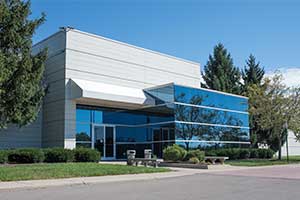
REACH Adult and Youth Services is 1.7 miles from Stratford, CT
REACH Adult and Youth Services provides recovery care and rehab services such as inpatient drug rehab centers, short term rehab programs, long term drug and alcohol rehabs, outpatient counseling, outpatient detoxification centers, and others to people living in Stratford, CT. and within the surrounding neighborhoods so that they overcome their alcohol and drug use disorders and find full sobriety. It has services - such as matrix model, substance abuse counseling approach, motivational interviewing, anger management, cognitive/behavior therapy, trauma-related counseling, and others - which follow its philosophy of the programs that work most effectively. This is because REACH Adult and Youth Services knows that complete sobriety can only be achieved through highly individualized and personalized care.
In addition, the drug and alcohol rehab center specializes in many other programs - like aftercare/continuing care, transgender or (LGBT) clients, clients referred from the court/judicial system, persons with post-traumatic stress disorder, suicide prevention services, residential beds for client's children and more - as well as many other treatment modalities that you can find listed below. Further, this addiction treatment center has aftercare plans that work in line with its treatment methods to make sure that individuals achieve and maintain permanent, full, and lasting sobriety, stability, and abstinence from drugs and alcohol.
Lastly, REACH Adult and Youth Services accepts private health insurance, private pay, sliding fee scale, military insurance, state corrections or juvenile justice funds, county or local government funds, and more.

Bridgeport Hospital is 1.9 miles from Stratford, CT
Bridgeport Hospital provides addiction care and rehabilitation services such as inpatient treatment centers, short term addiction treatment programs, long term drug and alcohol rehab centers, outpatient day treatment, detox facilities, and others to clients residing in the Stratford area so that they overcome their drug and alcohol abuse disorders and achieve full sobriety. It has services - such as matrix model, substance abuse counseling approach, motivational interviewing, anger management, cognitive/behavior therapy, trauma-related counseling, and others - which follow its philosophy of the programs that work most effectively. This is because Bridgeport Hospital knows that complete recovery can only be achieved through highly individualized and personalized care.
In addition, the alcohol and drug rehab program specializes in many other programs - like aftercare/continuing care, transgender or (LGBT) clients, clients referred from the court/judicial system, persons with post-traumatic stress disorder, suicide prevention services, residential beds for client's children and more - as well as many other treatment modalities that you can find listed below. Further, this drug and alcohol rehab has aftercare programs that work in line with its treatment methods to ensure that individuals achieve and maintain permanent, full, and lasting sobriety, stability, and abstinence from alcohol and drugs.
Lastly, Bridgeport Hospital accepts private insurance, private pay, sliding fee scale, military insurance, state corrections or juvenile justice funds, county or local government funds, and more.
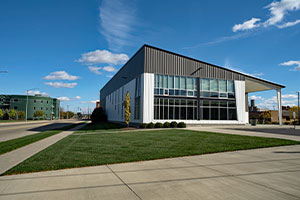
Southwest Connecticut MH Systems is 2 miles from Stratford, Connecticut
Southwest Connecticut MH Systems provides recovery care and rehabilitation services such as inpatient drug and alcohol rehab facilities, short term rehab facilities, long term addiction treatment centers, outpatient hospital programs, detox centers, and others to clients living in Stratford, Connecticut and its surrounding areas so that they overcome their alcohol and drug abuse disorders and find full recovery. It has services - such as matrix model, substance abuse counseling approach, motivational interviewing, anger management, cognitive/behavior therapy, trauma-related counseling, and others - which follow its philosophy of the programs that work most effectively. This is because Southwest Connecticut MH Systems knows that complete recovery can only be achieved through highly individualized care.
In addition, the alcohol and drug rehabilitation program specializes in many other programs - like aftercare/continuing care, transgender or (LGBT) clients, clients referred from the court/judicial system, persons with post-traumatic stress disorder, suicide prevention services, residential beds for client's children and more - as well as many other treatment modalities listed below. Further, this addiction treatment center has aftercare programs that work in line with its treatment modalities to ensure that individuals achieve full, lasting, and permanent sobriety, stability, and abstinence from alcohol and drugs.
Lastly, Southwest Connecticut MH Systems accepts private insurance, private pay, sliding fee scale, military insurance, state corrections or juvenile justice funds, county or local government funds, and more.
People may abuse addictive substances for a variety of reasons, often involving a complex interplay of biological, psychological, and social factors. Here are some common reasons:
Biological Factors: Certain individuals may be genetically predisposed to addiction. This could involve inherited traits that affect the way substances interact with their brain or influence their susceptibility to mental health disorders, which can increase the risk of substance abuse.
Psychological Factors: Many people turn to addictive substances as a way to cope with mental health issues such as depression, anxiety, or post-traumatic stress disorder. Substance use may provide temporary relief from these conditions, though in the long term it often exacerbates them.
Social Factors: Peer pressure, especially among young people, can lead to substance abuse. If an individual is in an environment where drug or alcohol use is common, they may feel compelled to partake in order to fit in.
Environmental Factors: Stressful or traumatic environments can increase the risk of substance abuse. This can include living in poverty, experiencing abuse or neglect, or being exposed to violence.
Curiosity and Experimentation: Particularly among adolescents and young adults, the desire to try new experiences can lead to substance use.
Self-Medication: Some people use substances to self-medicate physical pain. For example, the opioid crisis has been fueled in part by individuals who initially used prescription opioids to manage pain and then developed an addiction.
Escapism: People may use substances to escape their reality, numb emotional pain, or simply to feel good. Addictive substances often provide a temporary sense of euphoria or relaxation, which can be enticing.
Co-occurring Disorders: Individuals with co-occurring mental health disorders are at a significantly higher risk of substance use disorders. This is because these individuals might use substances as a form of self-medication.
Long-term drug abuse can have significant impacts on various systems and organs within the body. The specific effects can vary depending on the type of drug used, but here are some general areas that can be affected:
Brain: Drug abuse can change the brain's structure and function, leading to alterations in behavior, judgment, memory, decision-making, and even mental health. Chronic use can lead to neurological disorders and cognitive decline.
Heart: Many drugs put a significant strain on the cardiovascular system, leading to a range of heart-related issues. These can include increased heart rate, high blood pressure, damaged heart muscle, irregular heartbeat, and an increased risk of heart attack and stroke.
Liver: The liver plays a key role in metabolizing substances, including drugs. Chronic drug use can lead to a variety of liver conditions, such as hepatitis, cirrhosis, and liver failure.
Lungs: Drugs that are smoked or inhaled can cause serious lung damage. This can lead to chronic bronchitis, emphysema, lung cancer, and other respiratory diseases. Opioids can also slow breathing, potentially leading to hypoxia, a condition where not enough oxygen reaches the brain.
Kidneys: Certain drugs can lead to kidney damage and disease, including kidney failure. This can be caused by increased body temperature, breakdown of muscle tissue that clogs the kidneys, and direct kidney toxicity from the drugs themselves.
Digestive System: Drug use can also affect the digestive system, leading to nausea, vomiting, abdominal pain, and changes in appetite and metabolism. Some drugs can also cause significant damage to the stomach and intestines.
Skin: Certain drugs can also affect the skin, leading to conditions like acne, skin infections, or skin picking resulting in sores. Intravenous drug use can lead to collapsed veins and infections of the blood vessels and heart valves.
Immune System: Some drugs can weaken the immune system, making users more susceptible to infections, diseases, and certain types of cancer.
It's important to note that the specific health effects of drug abuse can vary depending on the individual, the drug(s) used, the frequency and duration of use, and other factors. Seeking professional help and treatment is crucial for mitigating the negative health consequences of drug abuse.
"People with substance use disorders engage in their behavior for various reasons, often complex and interconnected. Understanding these reasons is crucial to treating addiction. Here are some common factors:
Pleasure Seeking: Drugs often produce intense feelings of pleasure, euphoria, or relief from pain. The initial high can be so powerful that individuals continue using the substance to experience that feeling again.
Escape or Self-Medication: Many people use drugs as a way to escape from reality or cope with difficult feelings, trauma, stress, or mental health conditions such as anxiety, depression, or PTSD. Drugs can temporarily dull these feelings, but they do not address the root cause of the distress.
Physical Dependence: Over time, the body can develop a physical dependence on the substance, requiring it to function normally. Without the substance, the individual may experience unpleasant or even life-threatening withdrawal symptoms.
Psychological Dependence: Even after physical dependence is managed, psychological cravings can persist. The desire to use drugs can become a powerful mental urge that dominates a person's thoughts and behaviors.
Peer Pressure or Social Influence: The influence of friends or social circles where drug use is common can encourage initial use or ongoing abuse of drugs.
Genetic Factors and Early Exposure: Genetics can play a role in vulnerability to addiction, as can exposure to drugs at a young age or in the prenatal period.
Lack of Coping Mechanisms: Without healthy coping strategies for life's stresses and challenges, some people turn to drugs as a way of dealing with these issues.
Changes in Brain Function: Long-term substance use can lead to changes in the brain that result in increased cravings and decreased ability to resist drug use, despite harmful consequences.
National Non Profit Helpline - 1-877-882-9275
Our National Non Profit Helpline is a 24/7, 365-day-a-year treatment referral and information service for individuals and families faced with mental and/or substance use disorders.
All calls are strictly confidential
Our service provides referrals to licensed treatment facilities, support groups, and community-based organizations. You don't have to struggle alone with addiction. Help is just a phone call away. Call 1-877-882-9275 now to get the help you need and deserve.



© Copyright 1998 - 2022 All Rights Reserved. Content is protected under copyright laws, do not use content without written permission.
