New Britain, CT Drug and Alcohol Rehab Programs
New Britain, CT has nearby choices for addiction treatment including: 0 medicare program, 1 inpatient treatment center, 4 drug rehabs that take private insurance like Aetna, 0 detox center, 4 outpatient rehabs.
Get Help - Find a Rehab Center Today
Popular Searches for Drug and Alcohol Rehab in New Britain, Connecticut:
Skip To Rehab Listing
However, for those struggling with drug and alcohol abuse problems, New Britain can also offer workable solutions in the form of 27 drug and alcohol rehabilitation programs intended to help patients in their recoveries.
Drug and Alcohol Rehab Approaches and Settings
New Britain area residents who have a problem with substance abuse have multiple treatment settings available to them, such as the following: outpatient day treatment, inpatient detoxification facilities, inpatient drug rehab facilities, short term rehab programs, long term rehabs.
These rehabilitation programs make addiction treatment easy to access, with convenient locations and a number of different treatment modalities from which to choose, such as these listed here: matrix model, contingency management/motivational incentive, 12-step facilitation approach, brief intervention approach, dual diagnosis drug rehab, vocational rehabilitation services.
Special Programs for Alcohol and Drug Treatment
Substance abuse affects every individual differently. In order to address these differences and deliver a more tailored treatment, substance abuse treatment centers in New Britain provide several special programs for [patients such as: active duty military, residential beds for client's children, transgender or (LGBT) clients, self-help groups, legal advocacy, co-occurring mental and substance abuse disorders.
Clients who feel they may benefit from these customized services can explore them with the treatment facility to get support that is designed to increase the chances of sustained sobriety.
Rehab Payment Alternatives
Residents of New Britain come from varied economic circumstances, making it necessary for rehabilitation centers to offer various payment alternatives that place recovery within financial reach. Clients can expect to find payment options at close by drug and alcohol rehab facilities such as the following: private insurance, cash or self-payment, medicaid, medicare, sliding fee scale, state education funds, state corrections or juvenile justice funds.
Despite a patient's economic status, finances should not be a barrier to treatment. Drug and alcohol rehabs guide individuals through their payment options and help them pinpoint a way to afford their rehab.
The result of multiple rehab centers, methods, programs, and financing options is that treatment for drug and alcohol abuse is accessible for as many individuals who need it.
Dr. Gina M Jansheski, M.D.

Dr. Po-Chang Hsu, M.D., M.S.

Renee Warmbrodt, RN, MSN, CPNP-PC

Alcohol and Drug Rehabs Serving the New Britain, Connecticut Area:
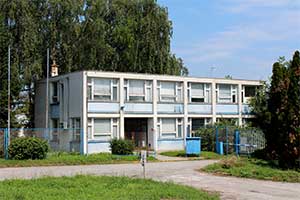 70 Whiting Street
New Britain, CT. 06051
860-827-3313
Root Center for Advanced Recovery is committed to helping anyone with a drug or alcohol abuse problem in New Britain, Connecticut and within the surrounding neighborhoods find full recovery. It offers several services - such as outpatient day treatment, outpatient detoxification programs, inpatient drug rehab programs, short term rehab programs, long term drug addiction treatment and others - in keeping with its philosophy of the addiction treatment and rehabilitation methods that work in recovery. This drug and alcohol rehab facility also believes that people require individual treatment and care to be able to maintain their sobriety.
As such, Root Center for Advanced Recovery specializes in matrix model, contingency management/motivational incentive, 12-step facilitation approach, brief intervention approach, dual diagnosis drug rehab, vocational rehabilitation services and more. At the same time, it accepts patients who are active duty military, residential beds for client's children, transgender or (LGBT) clients, self-help groups, legal advocacy, co-occurring mental and substance abuse disorders, and others. This addiction treatment facility uses treatment methods that can assist clients to achieve lasting and permanent sobriety and abstinence from the substances of abuse that they have used in the past.
In terms of payment, clients in Root Center for Advanced Recovery can pay for services using private health insurance, private pay, medicare, medicaid, sliding fee scale, state education funds, state corrections or juvenile justice funds and others.
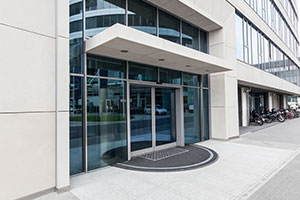 19 Bassett Street
New Britain, CT. 06051
860-225-4641
Farrell Outpatient Center is committed to helping any person with a drug or alcohol use issue in the New Britain, CT. area find complete recovery. It offers several programs - such as outpatient substance abuse counseling, outpatient detox facilities, inpatient drug abuse treatment, short term drug rehab centers, long term drug and alcohol rehab facilities and others - in keeping with its philosophy of the recovery treatment and rehabilitation modalities that work in recovery. This alcohol and drug rehab center also believes that people require individual care to be able to stop abusing drugs and alcohol.
As such, Farrell Outpatient Center has specialized in matrix model, contingency management/motivational incentive, 12-step facilitation approach, brief intervention approach, dual diagnosis drug rehab, vocational rehabilitation services and more. At the same time, it accepts clients who are active duty military, residential beds for client's children, transgender or (LGBT) clients, self-help groups, legal advocacy, co-occurring mental and substance abuse disorders, and others. This drug and alcohol rehab uses care methods that can assist clients to achieve lasting and permanent sobriety and abstinence from the substances of abuse that they have used in the past.
In terms of payment, clients in Farrell Outpatient Center can pay for services using private medical insurance, cash or self-payment, medicare, medicaid, sliding fee scale, state education funds, state corrections or juvenile justice funds and others.
 586 Main Street
New Britain, CT. 06051
860-225-4641
Farrell Treatment Center is dedicated to helping anyone with an alcohol or drug abuse disorder in the New Britain, CT. area find complete recovery. It provides several programs - such as outpatient hospital programs, outpatient detoxification facilities, inpatient drug and alcohol rehab centers, short term drug treatment, long term drug rehab programs and others - in line with its philosophy of the addiction care and rehab methods that are effective in recovery. This addiction treatment facility also believes that people need individual treatment and care to be able to stop abusing drugs and alcohol.
As such, Farrell Treatment Center has specialized in matrix model, contingency management/motivational incentive, 12-step facilitation approach, brief intervention approach, dual diagnosis drug rehab, vocational rehabilitation services and more. At the same time, it accepts clients who are active duty military, residential beds for client's children, transgender or (LGBT) clients, self-help groups, legal advocacy, co-occurring mental and substance abuse disorders, and others. This alcohol and drug rehab uses care modalities that can help patients to maintain lasting and permanent sobriety from the substances abused in the past.
In terms of payment, clients in Farrell Treatment Center can pay for services using private medical insurance, private pay, medicare, medicaid, sliding fee scale, state education funds, state corrections or juvenile justice funds and others.
Veterans Affairs Connecticut Healthcare System

 555 Willard Avenue
Newington, CT. 06111
860-667-6747
Veterans Affairs is 3.4 miles from New Britain, Connecticut
VA Connecticut Healthcare System provides health care services to Veterans throughout Connecticut.
Find Drug and Alcohol Treatment Centers in or around the following Connecticut cities:
Top Cities For Recovery:
Commonly Asked Questions about Addiction and Treatment
Suicide risks from drug abuse among lgbtq+ youth
Substance abuse significantly increases the risk of suicide, particularly among vulnerable populations such as LGBTQ+ (lesbian, gay, bisexual, transgender, queer, and others) youth. This heightened risk stems from a combination of factors associated with both substance abuse and the unique challenges faced by LGBTQ+ youth. Here's a closer look at these factors:
Mental Health Disorders: Substance abuse often co-occurs with mental health disorders such as depression, anxiety, and bipolar disorder, which are known risk factors for suicide. LGBTQ+ youth experience these mental health conditions at higher rates than their heterosexual and cisgender peers, partially due to the minority stress they face.
Minority Stress: Minority stress refers to the chronic stress experienced by marginalized groups, including LGBTQ+ individuals. It can include experiences such as discrimination, stigma, bullying, and family rejection, which can increase feelings of hopelessness and contribute to both substance use and suicidal ideation.
Substance Use and Suicidal Behavior: Substance use can lead to increased impulsivity, decreased inhibition, and intensified feelings of despair, making a person more likely to attempt suicide. It can also exacerbate feelings of isolation and hopelessness, further increasing the risk.
Social Isolation: Many LGBTQ+ youth feel socially isolated, either because they are not out to their peers or because they face rejection after coming out. This isolation can lead to increased substance use and a higher risk of suicide.
Family Rejection: Family rejection related to an individual's sexual orientation or gender identity can lead to increased substance use and heightened suicide risk. LGBTQ+ youth who do not receive support from their families are particularly vulnerable.
Lack of Access to Mental Health Services: Many LGBTQ+ youth struggle to access mental health and substance use treatment services, which can help manage risk factors for suicide. Barriers to access can include lack of insurance, stigma, and a shortage of providers who offer LGBTQ+-inclusive care.
Intersectionality: LGBTQ+ youth who belong to other marginalized groups (e.g., racial/ethnic minorities) often face additional layers of discrimination and stress, which can further increase their risk of substance abuse and suicide.
Efforts to prevent suicide among LGBTQ+ youth include providing access to culturally competent mental health and substance use treatment, fostering supportive environments in schools and communities, and advocating for policies that protect LGBTQ+ youth from discrimination and harassment. It's also crucial to provide support for families of LGBTQ+ youth, as family acceptance has been shown to protect against suicide risk.
How does a person become addicted to drugs and alcohol?
Addiction to drugs and alcohol is a complex process involving a combination of genetic, environmental, psychological, and social factors. While not everyone who uses drugs or alcohol will become addicted, certain factors can increase an individual's vulnerability to addiction. Some key factors contributing to addiction include:
- Genetic predisposition: Genetics play a significant role in addiction, accounting for an estimated 40-60% of an individual's vulnerability. People with a family history of addiction may be more susceptible to developing a substance use disorder.
- Environmental influences: A person's environment can significantly impact their likelihood of developing an addiction. Factors such as exposure to drugs or alcohol, peer pressure, low socioeconomic status, and lack of parental supervision can contribute to substance use and potential addiction.
- Early initiation: Research indicates that individuals who begin using drugs or alcohol at an early age are at a higher risk of developing addiction later in life. Early exposure to substances can disrupt normal brain development, making it more challenging to resist addictive behaviors.
- Psychological factors: Mental health disorders, such as depression, anxiety, or trauma-related disorders, can increase the risk of addiction. Individuals may turn to drugs or alcohol as a coping mechanism for managing emotional distress, which can lead to dependence and addiction.
- Social factors: Social isolation, lack of support networks, or unhealthy relationships can contribute to addiction. Individuals may use drugs or alcohol to fill a void or establish connections with others, increasing their risk of developing a substance use disorder.
- Chronic use: Repeated exposure to drugs or alcohol can lead to physiological changes in the brain's reward and pleasure centers. Over time, these changes can result in the development of tolerance, dependence, and ultimately addiction.
- Route of administration: The method by which a substance is consumed can impact the likelihood of addiction. Faster-acting routes of administration, such as injecting, smoking, or snorting, can lead to a more rapid onset of pleasurable effects, increasing the risk of addiction.
What are the effects of drug and alcohol abuse in the African American community?
Drug and alcohol abuse can have severe consequences for any community, and the African American community is no exception. While it is important to recognize that substance abuse affects individuals from all racial and ethnic backgrounds, certain factors and challenges may uniquely impact the African American community. Some effects of drug and alcohol abuse in the African American community include:
- Health disparities: Substance abuse can exacerbate existing health disparities within the African American community, contributing to higher rates of chronic illnesses such as HIV/AIDS, hepatitis C, hypertension, and diabetes. These health issues may be further compounded by limited access to healthcare and preventative services.
- Mental health: Substance abuse is often linked to mental health issues, such as depression, anxiety, and post-traumatic stress disorder (PTSD). The African American community may face additional stressors, such as racial discrimination and socioeconomic disparities, which can increase the risk of developing mental health disorders.
- Family and social relationships: Drug and alcohol abuse can strain family relationships, disrupt social networks, and negatively impact the overall well-being of the community. Substance abuse may also contribute to a cycle of generational trauma and dysfunction.
- Economic impact: Substance abuse can lead to reduced productivity, job loss, and financial strain, further exacerbating economic disparities within the African American community. Additionally, communities affected by high levels of substance abuse may struggle to attract businesses and investment, further limiting economic opportunities.
- Crime and incarceration: Drug and alcohol abuse can be associated with an increased likelihood of engaging in criminal activities, which can result in arrest, incarceration, and other legal consequences. African Americans are disproportionately affected by the criminal justice system, and substance abuse may further contribute to this disparity.
- Barriers to treatment: African Americans may face unique barriers to accessing substance abuse treatment, such as a lack of culturally competent care, stigma, and limited access to affordable, high-quality treatment options.
- Impact on youth: Substance abuse within the African American community can have long-lasting effects on children and adolescents, who may be at higher risk for academic difficulties, mental health issues, and substance abuse themselves later in life.
Addressing the effects of drug and alcohol abuse in the African American community requires comprehensive, culturally sensitive approaches that take into account the unique challenges faced by this population. This may include increasing access to quality healthcare, providing culturally competent substance abuse treatment, addressing systemic issues such as racial discrimination and socioeconomic disparities, and fostering community-based support networks and resources to promote resilience and recovery.
National Non Profit Helpline - 1-877-882-9275
Our National Non Profit Helpline is a 24/7, 365-day-a-year treatment referral and information service for individuals and families faced with mental and/or substance use disorders.
All calls are strictly confidential
Our service provides referrals to licensed treatment facilities, support groups, and community-based organizations. You don't have to struggle alone with addiction. Help is just a phone call away. Call 1-877-882-9275 now to get the help you need and deserve.
1-877-882-9275





