Maniilaq Counseling and Recovery Ctr

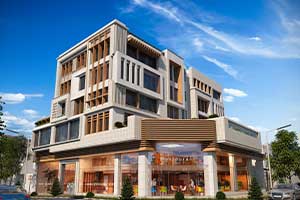
733 2nd Avenue
Kotzebue, AK. 99752
907-442-7640
Maniilaq Counseling and Recovery Ctr is 73.1 miles from Selawik, Alaska
Selawik, AK has nearby choices for addiction treatment including: 3 medicaid programs, 1 inpatient rehab center, 3 drug rehabs that take PPO insurance like BCBS, 1 drug detox, 3 outpatient rehabs.

For help finding an addiction treatment center, Call us!
All calls are 100% confidential and free
1-877-882-9275


Maniilaq Counseling and Recovery Ctr is 73.1 miles from Selawik, Alaska
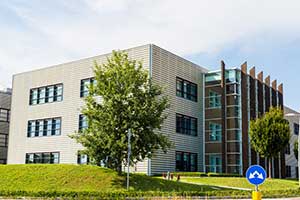
North Slope Borough DHSS is 334.6 miles from Selawik, AK
North Slope Borough DHSS has been offering recovery rehab to individuals who live in and around Selawik, AK. and who are struggling with substance use disorders. As such, North Slope Borough DHSS offers a range of services including behavior modification, trauma-related counseling, individual psychotherapy, vocational rehabilitation services, trauma therapy, 12-step facilitation approach and others applying its unique philosophy of evidence based approaches to addiction treatment and recovery.
This treatment center also believes that results are best achieved by providing individual services to each client. To this end, it has been specializing in a wide range of personalized treatments like persons with serious mental illness, domestic violence, child care for clients children, persons with eating disorders, clients referred from the court/judicial system, aftercare/continuing care and more. In the same way, this addiction treatment center offers these treatments in the following settings - long term drug rehab centers, short term rehab programs, inpatient addiction treatment centers, detox facilities, outpatient substance abuse treatment services and more.
It also has aftercare programs designed to replicate its treatment methods in the creation of a level of stability, abstinence, and sobriety that is permanent and lasting. Lastly, North Slope Borough DHSS accepts these forms of payment - including private insurance, cash or self-payment, medicare, medicaid, sliding fee scale, county or local government funds, access to recovery (atr) voucher and others.

Railbelt Mental Health and Addictions is 341.5 miles from Selawik, AK
Graf Rheeneenhaanjii is 363.4 miles from Selawik, Alaska
National Non Profit Helpline - 1-877-882-9275
Our National Non Profit Helpline is a 24/7, 365-day-a-year treatment referral and information service for individuals and families faced with mental and/or substance use disorders.
All calls are strictly confidential
Our service provides referrals to licensed treatment facilities, support groups, and community-based organizations. You don't have to struggle alone with addiction. Help is just a phone call away. Call 1-877-882-9275 now to get the help you need and deserve.



© Copyright 1998 - 2022 All Rights Reserved. Content is protected under copyright laws, do not use content without written permission.
