Drug and Alcohol Rehab Programs in Oneonta, AL
Oneonta, AL has nearby treatment options including: 2 low cost programs, 2 inpatient rehabs, 2 drug rehabs that take PPO insurance like BCBS, 0 drug and alcohol detox, 2 outpatient treatment programs.
Get Help - Find a Rehab Center Today
Popular Searches for Drug and Alcohol Rehab in Oneonta, Alabama:
Skip To Rehab Listing
Drug and Alcohol Treatment Service Settings and Methods
Many addictive drugs are easily obtainable within the Oneonta area, like: heroin, alcohol, meth, and marijuana.
The motives that individuals begin abusing addictive substances varies. Often, what those who end up addicted to alcohol and drugs have in common is an inability to overcome their reliance upon these addictive substances without the help of a professional.
For these individuals, Oneonta provides several different rehabs so clients can find one in a convenient location such as: short term rehabs, inpatient detox centers, outpatient counseling, long term rehabs, inpatient drug addiction treatment.
These treatment programs utilize a variety of approaches, ranging from traditional methods to newer methods, to offer clients with a successful evidence-based path to sustained sobriety. These approaches can include: trauma therapy, contingency management/motivational incentive, relapse prevention, group therapy, vocational rehabilitation services, cognitive/behavior therapy.
Special Programs for Substance Abuse Treatment
Because drug and alcohol addiction impacts each individual differently, nearby rehabilitation programs offer unique resources such as seniors or older adults, clients referred from the court/judicial system, self-help groups, veterans, social skills development, domestic violence to help meet a client's rehabilitation to their unique needs.
Individuals facing drug and alcohol addiction can receive instruction in picking the appropriate treatment for their needs by contacting any of the area's rehabilitation centers.
Drug Rehab Center Payment Alternatives
Financing should not be an obstacle to rehab for those struggling with drug and alcohol use. That is the reason nearby rehab programs offer multiple payment alternatives, including cash or self-payment, private insurance, medicare, medicaid, payment assistance, state corrections or juvenile justice funds, other state funds, to accommodate patients' personal financial situation.
Individuals who need drug and alcohol treatment can find a facility, program, resource, and payment method within the Oneonta area that will help them to recover from their drug and alcohol addiction and begin the life they want to lead.
Dr. Gina M Jansheski, M.D.

Dr. Po-Chang Hsu, M.D., M.S.

Renee Warmbrodt, RN, MSN, CPNP-PC

Drug and Alcohol Rehab Centers Serving the Oneonta, Alabama Area:
 1000 Lincoln Avenue
Oneonta, AL. 35121
205-625-4673
Wallace State Community College offers over 100 associate and certificate programs, including university transfer, health care, and specialized career training in technical areas of study that are in high demand in the north central Alabama region and across the southeast. Graduate from school in less than 2 years with the right skills to succeed in today's jobs market. Wallace State also offers online course options.
Lighthouse Inc
 445 County Road 773
Cullman, AL. 35055
256-796-0013
Lighthouse Inc is 20 miles from Oneonta, AL
Lighthouse Inc has been providing addiction rehab to people who reside in and around Oneonta, Alabama and who are struggling with substance use disorders. As such, Lighthouse Inc offers a array of services including trauma therapy, contingency management/motivational incentive, relapse prevention, group therapy, vocational rehabilitation services, cognitive/behavior therapy and others using its unique approaches to addiction recovery and treatment.
This rehabilitation facility also thinks that results are best achieved by providing individual services to each client. To this end, it has been specializing in a wide collection of personalized treatments like seniors or older adults, clients referred from the court/judicial system, self-help groups, veterans, social skills development, domestic violence and more. In the same way, this alcohol and drug rehab facility provides these treatments in the following settings - short term drug rehab programs, outpatient detoxification facilities, outpatient substance abuse counseling, long term drug and alcohol rehab programs, inpatient treatment programs and more.
It also has aftercare programs designed to replicate its treatment methods in the creation of a level of stability, abstinence, and sobriety that is permanent and lasting. Lastly, Lighthouse Inc accepts these payment forms - including cash or self-payment, private medical insurance, medicare, medicaid, payment assistance, state corrections or juvenile justice funds, other state funds and others.
Rapha Treatment Center
 677 West Covington Avenue
Attalla, AL. 35954
256-538-7458
Rapha Treatment Center is 20.8 miles from Oneonta, AL
Rapha Ministries, Inc. began August 1, 1997 as a calling from God. Steve and Marilyn Yarbrough founded the faith based ministry to help men who struggle with alcohol/drug addiction.
Family Life Center
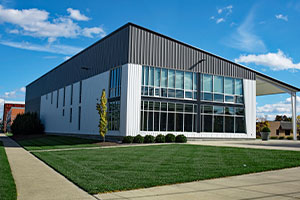 677 West Covington Avenue
Attalla, AL. 35954
256-538-7458
Family Life Center is 20.8 miles from Oneonta, Alabama
Drug Counseling, Mental and Emotional Problems | Family Life Center is here to help.
Find Drug and Alcohol Treatment Centers in or around the following Alabama cities:
Top Cities For Recovery:
Commonly Asked Questions about Addiction and Treatment
How can I tell if my loved one is using fentanyl?
Physical symptoms: Some common physical symptoms of fentanyl use include drowsiness, constricted pupils, slurred speech, shallow or slow breathing, and decreased coordination. You may also notice itching, flushed skin, or sweating.
Behavioral changes: Fentanyl use can result in changes in behavior, such as increased secrecy, social withdrawal, or unexplained absences. You may notice a shift in mood or energy levels, as well as a decline in personal hygiene or appearance.
Sleep patterns: Fentanyl can cause sedation and changes in sleep patterns. If your loved one is sleeping more than usual, experiencing difficulty waking up, or nodding off at inappropriate times, it may be a sign of fentanyl use.
Gastrointestinal issues: Fentanyl, like other opioids, can cause gastrointestinal side effects such as constipation, nausea, and vomiting. If your loved one is experiencing these issues without an apparent cause, it may be a sign of fentanyl use.
Paraphernalia: Finding drug paraphernalia, such as syringes, small plastic bags, or spoons with burn marks, may indicate fentanyl use. Fentanyl is often sold as a powder or in counterfeit pills, so be alert for unfamiliar pills or powders in your loved one's possession.
Unexplained financial problems: Fentanyl use can result in financial difficulties due to the cost of obtaining the drug. If your loved one is experiencing unexplained financial issues or frequently requesting money, it could be a sign of fentanyl use.
Changes in social circles: A shift in your loved one's social circle or a sudden disinterest in activities they once enjoyed may indicate fentanyl use, as they may be prioritizing drug use over other aspects of their life.
What happens when a person overdosed on fentanyl?
Fentanyl is a synthetic opioid that is 50 to 100 times more potent than morphine. It is used medically to treat severe pain, but its potent nature also makes it dangerous when misused or taken in excessive amounts. When a person overdoses on fentanyl, several life-threatening symptoms and complications can occur:
- Respiratory depression: One of the most critical effects of a fentanyl overdose is severe respiratory depression, which occurs when the drug suppresses the brain's ability to control breathing. This can lead to slow, shallow, or irregular breathing, or even cause the person to stop breathing altogether, which can be fatal.
- Unconsciousness: A fentanyl overdose can cause the person to lose consciousness or become unresponsive. In this state, the individual is at a higher risk of choking or suffering from positional asphyxia if they are in an awkward position that restricts their breathing.
- Constricted pupils: An overdose may result in pinpoint pupils, also known as miosis, which is a common sign of opioid intoxication.
- Cyanosis: Due to the lack of oxygen resulting from respiratory depression, the person's skin, lips, and nails may develop a bluish tint, which is called cyanosis.
- Low blood pressure: A fentanyl overdose can lead to a significant drop in blood pressure (hypotension), which may result in dizziness, fainting, or shock.
- Slow or weak pulse: The person's heart rate may become slow or weak, further contributing to the risk of life-threatening complications.
- Muscle rigidity: In some cases, a fentanyl overdose can cause muscle stiffness or rigidity, particularly in the chest and abdominal muscles, which can make it even more difficult to breathe.
- Seizures: Although less common, a fentanyl overdose may also cause seizures in some individuals.
- Coma or death: In severe cases, a fentanyl overdose can lead to coma or death due to respiratory failure, lack of oxygen, or other complications.
If you suspect someone is experiencing a fentanyl overdose, it is crucial to call emergency medical services immediately. Administering naloxone, an opioid antagonist, can temporarily reverse the effects of the overdose, but multiple doses may be needed due to fentanyl's potency. It is essential to note that naloxone is not a substitute for professional medical care, and the person must still receive prompt medical attention to address any underlying complications and ensure proper treatment.
Can I force my adult child to get help for their addiction?
While it's natural to want to help your adult child struggling with addiction, it is essential to recognize that you cannot force them into treatment if they are unwilling. As an adult, they have the right to make their own decisions, and treatment is most effective when the individual is motivated and ready to change.
However, there are several ways you can support and encourage your adult child to seek help for their addiction:
- Express concern: Openly share your concerns about their substance use in a non-judgmental and empathetic manner. Use "I" statements to convey your feelings and avoid blaming or accusing them.
- Offer information: Provide your adult child with information about addiction and the available treatment options. Encourage them to research these options and consider the benefits of seeking help.
- Set boundaries: Establish clear boundaries to protect yourself and other family members from the negative consequences of your adult child's addiction. For example, you might decide not to provide financial support if it enables their substance use.
- Encourage support group attendance: Suggest that your adult child attends support group meetings, such as Alcoholics Anonymous or Narcotics Anonymous. These meetings can offer valuable peer support and help them understand that they are not alone in their struggle.
- Consider an intervention: If your adult child remains resistant to seeking help, consider organizing a professionally guided intervention with the assistance of a certified interventionist. An intervention involves gathering loved ones to express their concern and present an united front in encouraging the individual to enter treatment.
- Seek support for yourself: Dealing with a loved one's addiction can be emotionally taxing. Connect with support groups, such as Al-Anon or Nar-Anon, which are specifically designed for family members of individuals with addiction. These groups can provide valuable resources and coping strategies.
National Non Profit Helpline - 1-877-882-9275
Our National Non Profit Helpline is a 24/7, 365-day-a-year treatment referral and information service for individuals and families faced with mental and/or substance use disorders.
All calls are strictly confidential
Our service provides referrals to licensed treatment facilities, support groups, and community-based organizations. You don't have to struggle alone with addiction. Help is just a phone call away. Call 1-877-882-9275 now to get the help you need and deserve.
1-877-882-9275




