Drug and Alcohol Rehabilitation Centers in Northport, Alabama
Northport, AL has several nearby treatment choices including: 3 medicaid programs, 1 inpatient rehab center, 3 drug rehabs that take private insurance like Cigna, 0 drug detox, 2 outpatient treatment programs.
Get Help - Find a Rehab Center Today
Popular Searches for Drug and Alcohol Rehab in Northport, Alabama:
Skip To Rehab Listing
That is one of the reasons the Northport area has 25 alcohol and drug rehabilitation programs accessible to local residents who struggle with drug and/or alcohol addiction. These facilities aid the area's population of 31,439 regardless of age or circumstances in order to make effective rehab accessible to anyone who is looking for it.
Drug and Alcohol Treatment Service Settings and Methods
Northport area residents who face drug and alcohol abuse issues can choose from a variety of recovery settings based upon factors such as their location and specialized needs.
Recovery settings can include the following: long term treatment centers, inpatient drug and alcohol rehab centers, inpatient detoxification centers, short term drug abuse treatment, outpatient day treatment.
Clients can also pick from many treatment approaches designed to provide effective support for their needs: matrix model, individual psychotherapy, behavior modification, cognitive/behavior therapy, motivational interviewing, rational emotive behavioral therapy.
Special Programs for Addiction Treatment
Addiction is not necessarily the same for everyone, so treatment should also be individualized. That is why alcohol and drug rehab facilities in the Northport area offer a number of special programs designed to deliver a tailored approach to treatment for clients. These special programs can include the following: residential beds for client's children, transgender or (LGBT) clients, suicide prevention services, persons who have experienced sexual abuse, persons with serious mental illness, domestic violence.
Rehab Payment Alternatives
Clients occasionally postpone treatment because of concerns about money. However, alcohol and drug rehabs make a variety of financing alternatives available to patients in order to address their economic considerations and improve opportunities for recovery. Some of these options are listed here: private pay, private medical insurance, medicaid, medicare, military insurance, state welfare or child and family services funds, state corrections or juvenile justice funds.
Addiction recovery is accessible for Northport residents through a great deal of different programs, methods, and financing alternatives that put sustained recovery within reach.
Dr. Gina M Jansheski, M.D.

Dr. Po-Chang Hsu, M.D., M.S.

Renee Warmbrodt, RN, MSN, CPNP-PC

Addiction Treatment Centers Serving the Northport, Alabama Area:
 515 Energy Center Boulevard
Northport, AL. 35473
(800) 891-9673
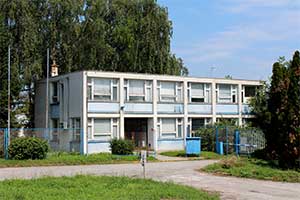
Like other drug and alcohol treatment programs, BRADFORD HEALTH SERVICES Northport is committed to ongoing recovery for drug and alcohol addicts living in the local community. As such, this alcohol and drug rehab center has been providing care like matrix model, individual psychotherapy, behavior modification, cognitive/behavior therapy, motivational interviewing, rational emotive behavioral therapy and more.
In Addition, BRADFORD HEALTH SERVICES Northport knows that it is important that its patients receive individualized care to make sure that they get effective results. They specialize in several programs such as residential beds for client's children, transgender or (LGBT) clients, suicide prevention services, persons who have experienced sexual abuse, persons with serious mental illness, domestic violence and others that you can find listed below. Each of the services that BRADFORD HEALTH SERVICES Northport provides are also available in different settings - long term drug and alcohol rehab centers, inpatient drug and alcohol rehab programs, detox centers, short term drug rehab programs, outpatient individual counseling and more.
Not surprisingly, this rehab also has aftercare plans that can help you find lasting sobriety both in the short and in the long term. Finally, BRADFORD HEALTH SERVICES Northport accepts private pay, private health insurance, medicare, medicaid, military insurance, state welfare or child and family services funds, state corrections or juvenile justice funds and others.
 515 Energy Center Boulevard
Northport, AL. 35473
205-750-0227
For 40 years, we've served thousands of people, of all ages and backgrounds. Yet we've never allowed ourselves to think narrowly about addiction, or treatment for it, or recovery from it. Instead, we continually innovate and improve - to provide each of our patients the most effective care possible. We're deeply committed to your recovery. And we promise you superior care, delivered with compassion and tailored to you. These aren't idle words. We feel a special connection to you because many of our professional staff have fought a similar fight. A lot of us have been where you are.
Northwest Alabama Mental Health Ctr Start Program
 2584 Highway 96
Fayette, AL. 35555
205-442-7049
Northwest Alabama Mental Health Ctr is 30.7 miles from Northport, AL
Like other addiction treatment facilities, Northwest Alabama Mental Health Ctr is dedicated to ongoing recovery for alcohol and drug addicts living in Northport, Alabama and its surrounding areas. As such, this alcohol and drug rehab facility has been offering care like matrix model, individual psychotherapy, behavior modification, cognitive/behavior therapy, motivational interviewing, rational emotive behavioral therapy and more, which is in line with its philosophy of the treatments that actually work to help addicts recover from their condition (s).
Further, Northwest Alabama Mental Health Ctr believes that it is essential that its patients receive individual focus and services to make sure that they are successful. They specialize in various programs such as residential beds for client's children, transgender or (LGBT) clients, suicide prevention services, persons who have experienced sexual abuse, persons with serious mental illness, domestic violence and many other modes of treatment that you can find listed below. These services that Northwest Alabama Mental Health Ctr offers are also available in a variety of settings - long term drug rehab facilities, inpatient rehabs, inpatient detoxification centers, short term drug addiction treatment, outpatient individual counseling and more.
Not surprisingly, this rehab also has aftercare planning and other treatment methods that can help you achieve permanent stability in the long term. Finally, Northwest Alabama Mental Health Ctr accepts private pay, private medical insurance, medicare, medicaid, military insurance, state welfare or child and family services funds, state corrections or juvenile justice funds and others.
Indian Rivers Mental Health Center
 2439 Main Street
Brent, AL. 35034
205-926-4681
Indian Rivers Mental Health Center is 35.5 miles from Northport, Alabama
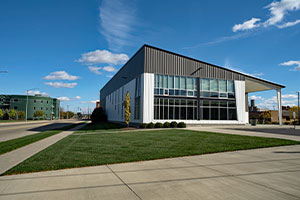
Like other substance abuse treatment facilities, Indian Rivers Mental Health Center is committed to long term recovery for alcohol and drug abusers living in the local community. As such, this addiction treatment facility has been providing care like matrix model, individual psychotherapy, behavior modification, cognitive/behavior therapy, motivational interviewing, rational emotive behavioral therapy and more.
Further, Indian Rivers Mental Health Center knows that it is important that its patients receive individualized care to ensure that they get effective results. This is why it specializes in several programs such as residential beds for client's children, transgender or (LGBT) clients, suicide prevention services, persons who have experienced sexual abuse, persons with serious mental illness, domestic violence and many other modes of treatment that you can find listed below. These services that Indian Rivers Mental Health Center provides are also available in different settings - long term addiction treatment centers, inpatient drug and alcohol rehab facilities, detox programs, short term drug rehab facilities, outpatient counseling and more.
Not surprisingly, this rehab also has aftercare plans and programs that can help you find permanent and lasting stability in the long term. Finally, Indian Rivers Mental Health Center accepts cash or self-payment, private health insurance, medicaid, medicare, military insurance, state welfare or child and family services funds, state corrections or juvenile justice funds and others.
Find Drug and Alcohol Treatment Centers in or around the following Alabama cities:
Top Cities For Recovery:
Commonly Asked Questions about Addiction and Treatment
Can I go cold turkey to stop abusing opioids?
While going "cold turkey," or suddenly stopping the use of opioids, might seem like a fast way to begin recovery, it's generally not recommended due to the severity of withdrawal symptoms and potential health risks.
Opioid withdrawal can be intensely uncomfortable and, in some cases, hazardous. Symptoms can include severe cravings, restlessness, muscle and bone pain, insomnia, diarrhea, vomiting, cold flashes, and involuntary leg movements. In severe cases, withdrawal can lead to serious dehydration or electrolyte imbalances.
Furthermore, abruptly stopping opioid use can significantly increase the risk of relapse. The discomfort of withdrawal symptoms may make it more difficult to stay abstinent, and an individual may be tempted to use again just to relieve these symptoms. If a person relapses and takes the same dose they were previously accustomed to, the risk of overdose is high because the body's tolerance to the substance has decreased.
For these reasons, opioid withdrawal should ideally be managed under the supervision of healthcare professionals. Medication-assisted treatment (MAT), which includes medications like methadone, buprenorphine (Suboxone), and naltrexone, can be used to help reduce withdrawal symptoms and cravings. These medications work by acting on the same brain receptors targeted by opioids, but they do so in a safer manner that helps to manage withdrawal and reduce the risk of relapse.
In addition to MAT, counseling and behavioral therapies are typically part of a comprehensive treatment program for opioid use disorder. These approaches can help individuals develop the skills and strategies needed to maintain recovery in the long term.
What does drug addiction do to a person?
Drug addiction, also known as Substance Use Disorder (SUD), is a complex condition that affects an individual's brain and behavior, leading to an inability to control the use of drugs despite harmful consequences. Drug addiction can impact a person in various ways, including physical, psychological, social, and emotional aspects of their life. Some of the effects of drug addiction include:
- Physical health problems: Chronic drug use can lead to numerous health issues, ranging from mild to severe. These may include weakened immune system, cardiovascular problems, liver damage, lung diseases, kidney damage, and increased risk of infectious diseases, such as HIV and Hepatitis C.
- Mental health issues: Drug addiction often co-occurs with mental health disorders, such as depression, anxiety, and bipolar disorder. Substance use can exacerbate existing mental health conditions or lead to the development of new ones.
- Cognitive impairment: Prolonged drug use can impair cognitive functions, such as memory, attention, decision-making, and problem-solving skills. This can impact an individual's ability to function effectively in daily life and may result in poor academic or work performance.
- Emotional instability: Drug addiction can lead to emotional instability, mood swings, and increased irritability, which can strain personal relationships and affect overall well-being.
- Social isolation: Individuals with drug addiction may withdraw from social activities, hobbies, or relationships, leading to isolation and loneliness. They may also prioritize drug-seeking behaviors over other aspects of their life, further damaging social connections.
- Financial difficulties: The cost of obtaining drugs, combined with reduced work performance or job loss, can lead to financial strain and potentially result in homelessness or dependence on others for support.
- Legal problems: Drug addiction may increase the likelihood of engaging in illegal activities, such as theft or drug trafficking, to support drug use. This can lead to arrest, incarceration, or other legal consequences.
- Increased risk of overdose: Chronic drug use increases the risk of accidental overdose, which can result in severe health complications or death.
- Family and relationship issues: Drug addiction can strain family relationships and lead to instability within the household, as well as negatively impact the emotional and physical well-being of children in the family.
How does drug addiction affect the family unit?
Drug addiction can have far-reaching consequences not only for the individual struggling with substance use, but also for their family unit. Family members may experience various emotional, social, and financial challenges as a result of a loved one's addiction. Some of the ways drug addiction can impact the family unit include:
- Emotional strain: Family members may experience a range of emotions, such as fear, anger, frustration, guilt, and sadness, as they grapple with their loved one's addiction. These emotions can be overwhelming and may lead to mental health issues, such as anxiety or depression, among family members.
- Family dynamics: Drug addiction can alter family dynamics, leading to increased conflict, mistrust, and communication breakdowns. This may result in a dysfunctional family environment and strained relationships among family members.
- Role changes: Family members may be forced to take on new roles to compensate for the challenges brought on by the addiction. For example, a spouse or older child may assume additional responsibilities for managing the household, providing financial support, or caring for younger siblings.
- Neglect of responsibilities: The individual struggling with addiction may neglect their responsibilities as a parent, spouse, or sibling, leaving other family members to bear the burden of these responsibilities.
- Financial strain: The costs associated with obtaining drugs and potential job loss due to addiction can place a significant financial burden on the family. This may result in debt, inability to meet basic needs, or even homelessness.
- Legal issues: Family members may face legal problems as a result of their loved one's drug-related activities, such as theft or drug possession. Legal issues can create additional financial strain and emotional stress for the family.
- Safety concerns: Drug addiction can expose family members to unsafe situations, such as violence, drug-related criminal activities, or the presence of dangerous substances within the home.
- Impact on children: Children in families affected by drug addiction may experience emotional, behavioral, and developmental challenges. They may be at greater risk for academic difficulties, mental health disorders, and substance abuse themselves later in life.
- Social isolation: Family members may become socially isolated due to stigma, shame, or fear associated with their loved one's addiction. This can lead to a loss of support networks and further emotional strain.
National Non Profit Helpline - 1-877-882-9275
Our National Non Profit Helpline is a 24/7, 365-day-a-year treatment referral and information service for individuals and families faced with mental and/or substance use disorders.
All calls are strictly confidential
Our service provides referrals to licensed treatment facilities, support groups, and community-based organizations. You don't have to struggle alone with addiction. Help is just a phone call away. Call 1-877-882-9275 now to get the help you need and deserve.
1-877-882-9275





