Drug and Alcohol Rehab Programs in Hamilton, AL
Hamilton, AL has several nearby treatment choices including: 3 medicare treatment centers, 0 inpatient treatment center, 2 drug rehabs that take PPO insurance like UnitedHealthCare, 1 drug and alcohol detox, 4 outpatient treatment programs.
Get Help - Find a Rehab Center Today
Popular Searches for Drug and Alcohol Rehab in Hamilton, Alabama:
Skip To Rehab Listing
Drug and Alcohol Treatment Facility Settings and Methods
Many addictive substances are easily attainable within the Hamilton region, like: meth, heroin, cocaine, and alcohol.
The motives that individuals begin using addictive substances varies. Often, what those who become dependent on alcohol and drugs have in common is an inability to beat their dependence upon these substances without proper treatment.
For these individuals, Hamilton provides several different programs so individuals can search out one in a convenient location such as: inpatient rehab programs, long term drug treatment, outpatient detoxification facilities, short term drug rehab centers, outpatient day treatment.
These treatment centers utilize a range of approaches, ranging from long-established approaches to newer techniques, to offer individuals with a successful evidence-based path to sustained sobriety. These approaches may include: vocational rehabilitation services, matrix model, individual psychotherapy, activity therapy, trauma therapy, 12-step facilitation approach.
Special Programs for Substance Abuse Treatment
Because alcohol and drug abuse has an effect on each person differently, local rehabilitation programs provide unique resources such as aftercare/continuing care, veterans, active duty military, co-occurring mental and substance abuse disorders, programs for the hearing impaired, clients referred from the court/judicial system to help meet a client's recovery to their unique needs.
Individuals facing drug and alcohol dependency can receive instruction in choosing the right treatment for their needs by reaching out to any of the area's rehabilitation centers.
Addiction Treatment Program Payment Options
Funding should not be a hurdle to rehabilitation for people struggling with substance abuse. That is the reason nearby rehabilitation programs provide several payment choices, like cash or self-payment, private health insurance, military insurance, payment assistance, county or local government funds, state education funds, to accommodate clients' individual financial circumstances.
People who are seeking drug and alcohol treatment can find a facility, rehab, approach, and payment option within the Hamilton area that will help them to overcome their drug and alcohol addiction and start the life they want to live.
Dr. Gina M Jansheski, M.D.

Dr. Po-Chang Hsu, M.D., M.S.

Renee Warmbrodt, RN, MSN, CPNP-PC

Drug and Alcohol Treatment Programs Serving the Hamilton, Alabama Area:
 2131 Military Street South
Hamilton, AL. 35570
205-921-5556
Pathway Healthcare provides addiction care and rehabilitation services such as inpatient drug abuse treatment, long term drug and alcohol rehabs, inpatient detoxification facilities, short term rehab facilities, intensive outpatient treatment, and others to clients living in the local community so that they overcome their drug and alcohol use disorders and achieve full sobriety. It has services - such as vocational rehabilitation services, matrix model, individual psychotherapy, activity therapy, trauma therapy, 12-step facilitation approach, and others - which follow its philosophy of the programs that work most effectively. This is because Pathway Healthcare knows that complete recovery can only be achieved through highly individualized care.
In addition, the alcohol and drug treatment program specializes in many other programs - like aftercare/continuing care, veterans, active duty military, co-occurring mental and substance abuse disorders, programs for the hearing impaired, clients referred from the court/judicial system and more - as well as many other treatment methods listed below. Further, this alcohol and drug rehab facility has aftercare plans that work in line with its treatment modalities to ensure that individuals achieve and maintain full, lasting, and permanent sobriety, stability, and abstinence from drugs and alcohol.
Lastly, Pathway Healthcare accepts private pay, private medical insurance, military insurance, payment assistance, county or local government funds, state education funds, and more.
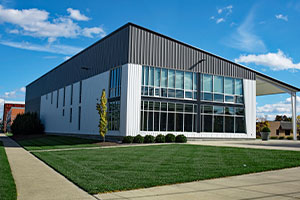 427 Smokey Bear Road
Hamilton, AL. 35570
205-921-2186
Northwest Alabama Mental Health Ctr provides recovery treatment and rehabilitation services such as inpatient addiction treatment facilities, long term treatment centers, detoxification centers, short term drug and alcohol rehab programs, outpatient counseling, and others to clients residing in Hamilton, AL. and within the surrounding neighborhoods so that they conquer their alcohol and drug use disorders and achieve full recovery. It has services - such as vocational rehabilitation services, matrix model, individual psychotherapy, activity therapy, trauma therapy, 12-step facilitation approach, and others - which follow its philosophy of the programs that work most effectively. This is because Northwest Alabama Mental Health Ctr believes that full recovery can only be achieved through highly individualized care.
Further, the drug and alcohol treatment program specializes in many other programs - like aftercare/continuing care, veterans, active duty military, co-occurring mental and substance abuse disorders, programs for the hearing impaired, clients referred from the court/judicial system and more - as well as many other treatment methods that you can find listed below. Further, this alcohol and drug treatment facility has aftercare plans that work in line with its treatment modalities to ensure that individuals maintain full, lasting, and permanent abstinence and sobriety from alcohol and drugs.
Lastly, Northwest Alabama Mental Health Ctr accepts cash or self-payment, private health insurance, military insurance, payment assistance, county or local government funds, state education funds, and more.
 1879 Military Street South
Hamilton, AL. 35570
205-921-3799
Marion County Treatment Center provides recovery care and rehab services such as inpatient rehab programs, long term drug and alcohol rehabs, inpatient detox programs, short term drug addiction treatment, outpatient substance abuse treatment services, and others to people residing in Hamilton and its surrounding areas so that they overcome their drug and alcohol abuse issues and achieve full sobriety. It has services - such as vocational rehabilitation services, matrix model, individual psychotherapy, activity therapy, trauma therapy, 12-step facilitation approach, and others - which follow its philosophy of the programs that work most effectively. This is because Marion County Treatment Center knows that full sobriety can only be achieved through highly individualized and personalized care.
Further, the alcohol and drug rehabilitation program specializes in many other programs - like aftercare/continuing care, veterans, active duty military, co-occurring mental and substance abuse disorders, programs for the hearing impaired, clients referred from the court/judicial system and more - as well as many other treatment methods that you can find listed below. Further, this substance abuse treatment facility has aftercare plans that work in line with its treatment methods to make sure that individuals achieve full, lasting, and permanent abstinence and sobriety from drugs and alcohol.
Lastly, Marion County Treatment Center accepts private pay, private insurance, military insurance, payment assistance, county or local government funds, state education funds, and more.
Marwin Counseling Services
 1065 U.S. Highway 43
Winfield, AL. 35594
205-487-0359
Marwin Counseling Services is 23.2 miles from Hamilton, Alabama
Marwin Counseling Services provides addiction care and rehab services such as inpatient rehab centers, long term addiction treatment centers, detox facilities, short term treatment facilities, outpatient day treatment, and others to people residing in the Hamilton, Alabama area so that they overcome their alcohol and drug use issues and find full recovery. It has services - such as vocational rehabilitation services, matrix model, individual psychotherapy, activity therapy, trauma therapy, 12-step facilitation approach, and others - which follow its philosophy of the programs that work most effectively. This is because Marwin Counseling Services believes that full sobriety can only be achieved through highly individualized and personalized care.
In addition, the drug and alcohol rehab facility specializes in many other programs - like aftercare/continuing care, veterans, active duty military, co-occurring mental and substance abuse disorders, programs for the hearing impaired, clients referred from the court/judicial system and more - as well as many other treatment modalities that you can find listed below. Further, this substance abuse treatment center has aftercare programs that work in line with its treatment methods to make sure that clients maintain permanent, full, and lasting sobriety, stability, and abstinence from drugs and alcohol.
Lastly, Marwin Counseling Services accepts private pay, private health insurance, military insurance, payment assistance, county or local government funds, state education funds, and more.
Find Drug and Alcohol Treatment Centers in or around the following Alabama cities:
Top Cities For Recovery:
Commonly Asked Questions about Addiction and Treatment
Is there free help for drug and alcohol addiction?
Yes, there is free help available for individuals struggling with drug and alcohol addiction. Numerous resources and support systems exist to provide assistance at no cost. Some of these options include:
National Helplines: Many countries have dedicated helplines for substance abuse and mental health issues. In the United States, the SAMHSA National Helpline (1-800-662-HELP) offers free, confidential, 24/7 assistance in English and Spanish.
Peer Support Groups: Local support groups, such as Alcoholics Anonymous (AA) or Narcotics Anonymous (NA), provide free peer-to-peer support, guidance, and resources for individuals facing addiction. Meetings can be found in various locations and are open to all.
Non-profit and Faith-based Organizations: Some non-profit and faith-based organizations offer free addiction support services, including counseling, group therapy, and recovery programs. Local community centers, churches, mosques, and synagogues may have information about available resources in your area.
Online Support Communities: Several websites and online forums offer free support and resources for individuals in recovery from addiction. These virtual communities can provide valuable information, advice, and encouragement from peers facing similar challenges.
State-Funded Treatment Programs: In many regions, state-funded addiction treatment programs provide free or low-cost services to eligible residents. Contact your local health department or substance abuse agency for information on available programs in your area.
Public Libraries: Local libraries often have free resources related to addiction, recovery, and mental health, including books, DVDs, and pamphlets. Librarians can also help you locate additional resources and services within your community.
Can you send a person to rehab against their will?
The ability to send someone to rehab against their will is highly dependent on the specific laws and regulations of your location. In general, in many jurisdictions, including most states in the U.S., adults cannot be forced into rehab without their consent unless certain legal criteria are met.
However, in some cases where the person poses a danger to themselves or others, a process known as "involuntary commitment" may be possible. This generally involves a court order and typically requires proof that the person is unable to make rational decisions about their health and safety due to their substance use. The specifics of this process, including the standards of proof and the length of time a person can be held, vary widely by jurisdiction.
For minors, parents or guardians typically have the legal right to place their child into a treatment program without the child's consent. Again, the exact laws vary by jurisdiction.
Even if it's legally possible to send someone to rehab against their will, it's important to note that involuntary treatment can be controversial and is not always the most effective approach. Addiction treatment typically requires active participation and a personal commitment to recovery for the best chances of success. Instead, consider engaging a professional interventionist or counselor who can help facilitate a conversation about the person's substance use and the benefits of treatment.
In all cases, it's important to consult with a legal professional in your area to understand the legalities around involuntary treatment. It's also crucial to work with healthcare professionals to ensure that any actions taken are in the best interests of the person struggling with addiction.
What are the principles of recovery from drug and alcohol addiction?
Recovery from drug and alcohol addiction is an unique and individualized process. However, there are several key principles that are commonly recognized as important for successful recovery. These principles include:
- Acceptance: Acknowledging the presence of an addiction and the need for change is the first step in the recovery process. Acceptance involves recognizing the consequences of substance use and taking responsibility for one's actions.
- Commitment: Recovery requires a strong commitment to change and the willingness to take consistent action. This may involve making difficult decisions, such as cutting ties with unhealthy influences or seeking professional help.
- Support: Building a strong support network is critical in recovery. This can include friends, family, peers, counselors, or support groups, who can provide encouragement, advice, and understanding throughout the process.
- Holistic Approach: Addressing all aspects of a person's life�''physical, mental, emotional, and spiritual�''can contribute to a more successful recovery. This may involve incorporating healthy habits, such as exercise, proper nutrition, and mindfulness practices, into one's daily routine.
- Personal Responsibility: Taking personal responsibility for one's actions and choices is essential for long-term recovery. This includes understanding triggers, developing coping strategies, and setting boundaries to prevent relapse.
- Coping Skills: Learning and practicing healthy coping skills can help manage stress and emotional challenges without resorting to substance use. These skills may include relaxation techniques, problem-solving strategies, or communication skills.
- Ongoing Growth: Recovery is a lifelong process that requires ongoing growth and self-improvement. This may involve setting personal goals, building self-esteem, and continuously evaluating and adjusting one's approach to recovery.
- Hope: Believing in the possibility of a better future and maintaining a positive outlook is crucial for recovery. Hope can serve as a powerful motivator and provide the strength to overcome setbacks and challenges.
- Honesty: Being honest with oneself and others is essential for building trust and promoting self-awareness in recovery. Honesty helps individuals confront their struggles and maintain accountability for their actions.
- Patience: Recovery is a gradual process that requires patience and perseverance. It's important to recognize that setbacks and challenges are a normal part of the journey and to maintain a long-term perspective on personal growth and healing.
National Non Profit Helpline - 1-877-882-9275
Our National Non Profit Helpline is a 24/7, 365-day-a-year treatment referral and information service for individuals and families faced with mental and/or substance use disorders.
All calls are strictly confidential
Our service provides referrals to licensed treatment facilities, support groups, and community-based organizations. You don't have to struggle alone with addiction. Help is just a phone call away. Call 1-877-882-9275 now to get the help you need and deserve.
1-877-882-9275





