

401 Beacon Parkway West
Birmingham, AL. 35209
205-917-3733 x205
Birmingham, AL has a multitude of treatment options including: 3 medicare programs, 3 inpatient rehabs, 4 drug rehabs that take PPO insurance like Aetna, 3 drug detox, 8 outpatient rehabs.

For help finding an addiction treatment center, Call us!
All calls are 100% confidential and free
1-877-882-9275You can now filter our treatment results to show you tailored rehab programs that fit your exact needs. Just choose the type of treatment you are looking for, a payment type such as private insurance or low cost, and any specialized treatment approach you are interested in. Click submit and we will provide a list of alcohol and drug rehab centers that match your criteria.




Pathway Healthcare has been dedicating its treatment services and programs to helping individuals who are struggling with alcohol and drug addiction in Birmingham, Alabama and within the surrounding area.
To this end, Pathway Healthcare offers a wide collection of treatment and rehabilitation services, including long term rehabs, inpatient detoxification facilities, short term addiction treatment facilities, outpatient day treatment, inpatient drug treatment and more. Pathway Healthcare also believes that it is vital that it offers tailored services to ensure that its clients get the results that they want. This is why Pathway Healthcare is specialized in trauma-related counseling, matrix model, relapse prevention, individual psychotherapy, cognitive/behavior therapy, contingency management/motivational incentive, among other programs.
Pathway Healthcare also provides persons with eating disorders, persons with serious mental illness, legal advocacy, persons who have experienced sexual abuse, active duty military, treatment for spanish-speaking clients, and offers some of the best aftercare programs - all of which have been proved to be useful in helping its clients. This alcohol and drug rehab center also uses treatment methods that can help you achieve the best possible outcome.
Pathway Healthcare also accepts the following forms of payment - private health insurance, private pay, payment assistance, medicaid, medicare, access to recovery (atr) voucher, state education funds and more.


Fellowship House Inc has been dedicating its services and programs to helping individuals who are struggling with substances of abuse in Birmingham, AL. and within the surrounding area.
Fellowship House Inc offers a wide variety of treatment and rehabilitation services, including long term drug abuse treatment, inpatient detox facilities, short term rehab facilities, outpatient hospital programs, inpatient drug and alcohol rehab centers and more. Fellowship House Inc also believes that it is important that it presents tailored services to ensure that individuals get the results that they need. This is why Fellowship House Inc is specialized in trauma-related counseling, matrix model, relapse prevention, individual psychotherapy, cognitive/behavior therapy, contingency management/motivational incentive, among other programs.
Fellowship House Inc also provides persons with eating disorders, persons with serious mental illness, legal advocacy, persons who have experienced sexual abuse, active duty military, treatment for spanish-speaking clients, and provides some of the best aftercare programs - all of which have been proved to be useful in helping its clients. This addiction treatment facility also uses treatment methods that can assist you in achieving long lasting sobriety.
Fellowship House Inc also accepts the following forms of payment - private insurance, private pay, payment assistance, medicaid, medicare, access to recovery (atr) voucher, state education funds and more.


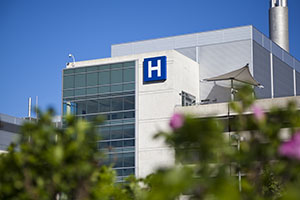
Department of VA Medical Center has been dedicating its treatment services and programs to helping individuals who are battling drug and alcohol addiction in Birmingham and its surrounding area.
Department of VA Medical Center facilitates a wide range of treatment and rehabilitation programs, including long term drug rehab programs, outpatient detox programs, short term drug and alcohol rehab programs, outpatient counseling, inpatient rehab facilities and more. Department of VA Medical Center also believes that it is vital that it provides unique services to ensure that individuals get the results that they want. This is why Department of VA Medical Center is specialized in trauma-related counseling, matrix model, relapse prevention, individual psychotherapy, cognitive/behavior therapy, contingency management/motivational incentive, among other programs.
Department of VA Medical Center also provides persons with eating disorders, persons with serious mental illness, legal advocacy, persons who have experienced sexual abuse, active duty military, treatment for spanish-speaking clients, and offers some of the best aftercare programs - all of which have been proved to be useful in helping its clients. This drug and alcohol rehab also uses treatment methods that can help you achieve the best possible outcome.
Department of VA Medical Center also accepts the following types of payment - private insurance, private pay, payment assistance, medicaid, medicare, access to recovery (atr) voucher, state education funds and more.




Several relationship factors can increase the risk of developing a drug or alcohol abuse problem. These include:
"Denial can have a profound impact on individuals struggling with drug and alcohol addiction, significantly affecting their health, relationships, and overall quality of life. Here are some ways in which denial can impact substance abusers:
Prevents Acknowledgment of the Problem: The most immediate impact of denial is that it prevents individuals from recognizing and acknowledging that they have a problem with drugs or alcohol. This can delay them from seeking treatment and starting the recovery process.
Perpetuates Substance Abuse: Denial can contribute to the continued use of substances despite negative consequences. Individuals may downplay the extent of their substance use or its impact on their life, allowing the cycle of addiction to continue.
Deteriorates Health: Denial can lead to a lack of recognition of the serious health consequences related to substance abuse. This can result in worsening physical health, including damage to vital organs, increased risk of disease, and potential overdose.
Strains Relationships: Denial can strain relationships with friends, family, and loved ones. It can cause conflicts, broken trust, and isolation, as the individual may reject concern from others or fail to acknowledge the impact of their substance use on those around them.
Hinders Professional and Academic Progress: Denial can prevent individuals from seeing the negative effects of their addiction on their work or studies. This can lead to job loss, poor academic performance, or loss of career or educational opportunities.
Interferes with Treatment: Even if an individual does seek treatment, denial can interfere with the effectiveness of the intervention. An individual in denial may be resistant to treatment strategies, less likely to engage fully in the recovery process, or more likely to relapse.
Substance Use Disorder, commonly known as addiction, is a complex disease that affects the brain and behavior. It's important to understand that addiction is not a matter of willpower or moral strength, and it doesn't reflect an individual's love or lack of love for their family. Here's why a person struggling with addiction might not simply stop, even if they deeply care for their family:
Altered Brain Function: Drugs can alter the brain's structure and function, especially in areas related to reward, judgment, decision-making, learning, and memory. This can lead to intense cravings and a compulsive desire to use drugs, despite knowing the harm they're causing.
Physical Dependence: Regular use of certain drugs can lead to physical dependence, where the body needs the drug to function normally. Stopping the drug can cause uncomfortable or even dangerous withdrawal symptoms, which can make quitting extremely difficult without medical help.
Psychological Dependence: Some individuals use drugs to cope with stress, trauma, or mental health disorders. These individuals may feel they cannot function or feel normal without the substance, and overcoming this psychological dependence can be challenging.
Fear of Withdrawal: Fear of the withdrawal process, which can be physically and emotionally painful, can deter individuals from quitting, even if they want to stop for their loved ones.
Denial: Many people struggling with addiction are in denial about the extent of their problem. They may not realize or admit how much their substance use is hurting themselves and their family.
Loving someone, even deeply, does not automatically grant the ability to overcome addiction. Recovery often requires professional help and involves more than just the decision to stop using drugs. It includes learning new coping skills, addressing underlying issues that may contribute to the addiction, and receiving ongoing support. With proper treatment and support, many people are able to recover from addiction and rebuild their relationships with their loved ones.
National Non Profit Helpline - 1-877-882-9275
Our National Non Profit Helpline is a 24/7, 365-day-a-year treatment referral and information service for individuals and families faced with mental and/or substance use disorders.
All calls are strictly confidential
Our service provides referrals to licensed treatment facilities, support groups, and community-based organizations. You don't have to struggle alone with addiction. Help is just a phone call away. Call 1-877-882-9275 now to get the help you need and deserve.



© Copyright 1998 - 2022 All Rights Reserved. Content is protected under copyright laws, do not use content without written permission.


